


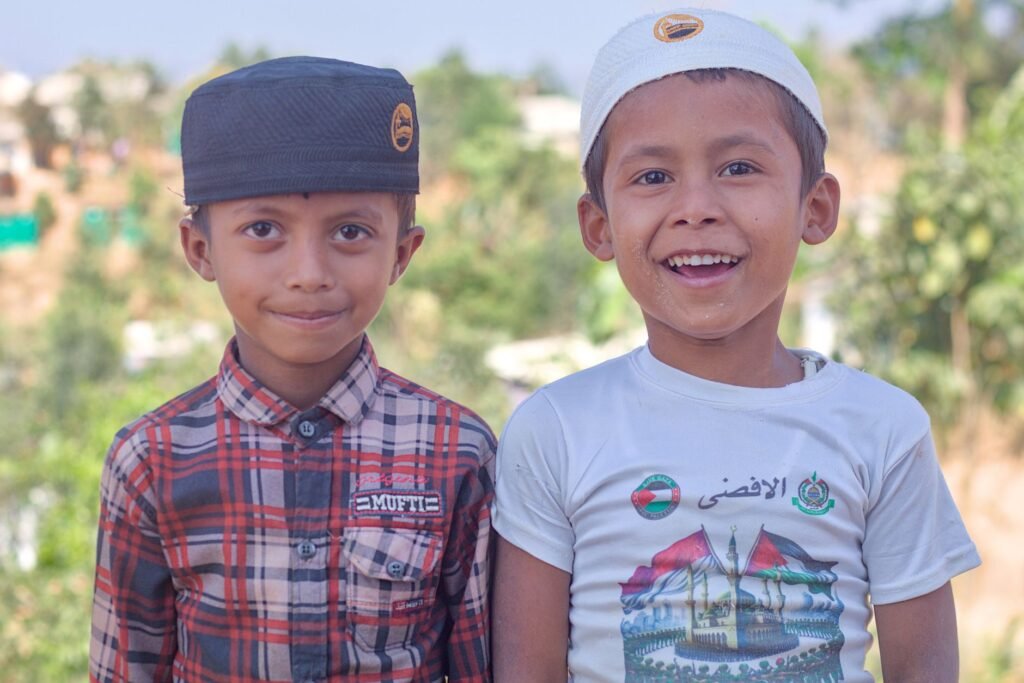
Kuala Lumpur, Malaysia – A recent announcement by Malaysian authorities regarding the potential repatriation of Rohingya refugees to Myanmar has ignited widespread fear and anxiety within the community. The prospect of being sent back to their country of origin, from which they fled persecution, has sent a wave of panic through a population that has endured immense hardship.
The Rohingya, a Muslim minority group, have faced systematic discrimination and violence in Myanmar, leading many to seek refuge in neighboring countries. Information reaching Tahir Rihat suggests that the Malaysian government is exploring avenues to send these migrants back, a move that has drawn sharp criticism from human rights organizations and refugee advocates. These groups are raising serious concerns about the safety and well-being of the Rohingya should they be returned to Myanmar, a country still grappling with internal conflict and ongoing human rights issues.
The announcement has sent panic through a community that fled its country’s brutal military rule, civil war, religious persecution or some combination of the three. For years, Malaysia has been a primary destination for Rohingya fleeing violence and oppression in Myanmar’s Rakhine State. The refugees, many of whom have established lives and communities in Malaysia, now face an uncertain future. Their displacement stems from a history of severe human rights abuses, including widespread violence, alleged ethnic cleansing, and the denial of citizenship and basic rights by the Myanmar government. The international community has widely condemned the treatment of the Rohingya, with many calling for accountability and protection for the displaced population.
Human rights advocates argue that returning the Rohingya to Myanmar would be a violation of the principle of non-refoulement, which prohibits the return of refugees to a country where they would face persecution. They point to the ongoing instability and the lack of guaranteed safety for the Rohingya within Myanmar as critical factors that make any repatriation effort premature and dangerous. The United Nations High Commissioner for Refugees (UNHCR) has also expressed its concerns, emphasizing the need for durable solutions that prioritize the safety and dignity of the refugees. The agency has consistently advocated for the voluntary, safe, and dignified repatriation of refugees, but only when conditions in their country of origin are deemed safe and conducive for return.
The Malaysian government has stated that its actions are aimed at managing its refugee population and addressing the strain on national resources. However, the specifics of any repatriation plan remain unclear, adding to the apprehension among the Rohingya community. Many refugees have shared their deep-seated fears of returning to a country where they have experienced extreme violence and discrimination. Their testimonies often detail harrowing experiences of fleeing their homes, witnessing atrocities, and enduring perilous journeys to find safety. The prospect of being forcibly returned to such an environment is a source of profound distress.
The situation highlights the complex challenges faced by countries hosting large refugee populations, as well as the ongoing humanitarian crisis faced by the Rohingya. International organizations are urging Malaysia to reconsider its plans and to work collaboratively with the UNHCR and other stakeholders to find sustainable and humane solutions. The focus remains on ensuring that any action taken respects the rights and safety of the Rohingya people, who have already endured so much. The international community’s attention is now fixed on Malaysia’s next steps and the potential implications for one of the world’s most persecuted minority groups.
The exodus of Rohingya from Myanmar began in earnest in August 2017, following a brutal crackdown by the Myanmar military in response to alleged attacks by Rohingya insurgents. This crackdown led to widespread killings, rapes, and the burning of villages, forcing hundreds of thousands to flee across the border into Bangladesh. Many who did not reach Bangladesh subsequently sought refuge in other Southeast Asian nations, including Malaysia, Thailand, and Indonesia. These refugees often live in precarious conditions, relying on humanitarian aid and facing challenges related to employment, education, and healthcare. Their legal status in host countries can be uncertain, making them vulnerable to exploitation and detention.
The political climate in Myanmar has remained volatile since the military coup in February 2021, which further complicated any potential return for the Rohingya. The current regime has not shown a commitment to addressing the root causes of the Rohingya crisis or ensuring their safety and rights. This lack of progress on accountability and justice for past atrocities fuels the fears of those who might be considered for repatriation. Human rights groups have documented continued abuses and discrimination against ethnic minorities in Myanmar, underscoring the risks associated with sending refugees back to a country where their fundamental rights are not protected.
The Malaysian government’s stance on refugee management has evolved over time, reflecting domestic political pressures and economic considerations. While Malaysia is not a signatory to the 1951 Refugee Convention, it has historically hosted a significant number of refugees, including those from Myanmar. However, the increasing numbers and the protracted nature of displacement have led to calls for more robust management strategies. The debate over repatriation often intersects with broader discussions about national security, border control, and the economic impact of hosting refugees.
The international community’s response has been a mix of humanitarian assistance and diplomatic pressure. While many countries have provided aid to support refugees in host nations like Malaysia and Bangladesh, there has been limited progress in achieving a lasting political solution in Myanmar that would allow for the safe and voluntary return of the Rohingya. The ongoing civil conflict within Myanmar, exacerbated by the military takeover, has further entrenched divisions and made meaningful dialogue and reconciliation extremely difficult. This complex geopolitical landscape presents significant obstacles to any comprehensive resolution of the Rohingya crisis.
The immediate concern for the Rohingya community in Malaysia is the uncertainty surrounding their future. Many have invested years in building lives, finding work, and integrating into local communities, albeit often in informal sectors. The prospect of forced removal disrupts these established realities and raises the specter of further trauma and displacement. Advocacy groups are working to raise awareness and to lobby the Malaysian government to uphold international humanitarian principles and to engage in dialogue with refugee representatives and international bodies to explore alternatives that prioritize the well-being of the Rohingya.


Tahir Rihat (also known as Tahir Bilal) is an independent journalist, activist, and digital media professional from the Chenab Valley of Jammu and Kashmir, India. He is best known for his work as the Online Editor at The Chenab Times.