


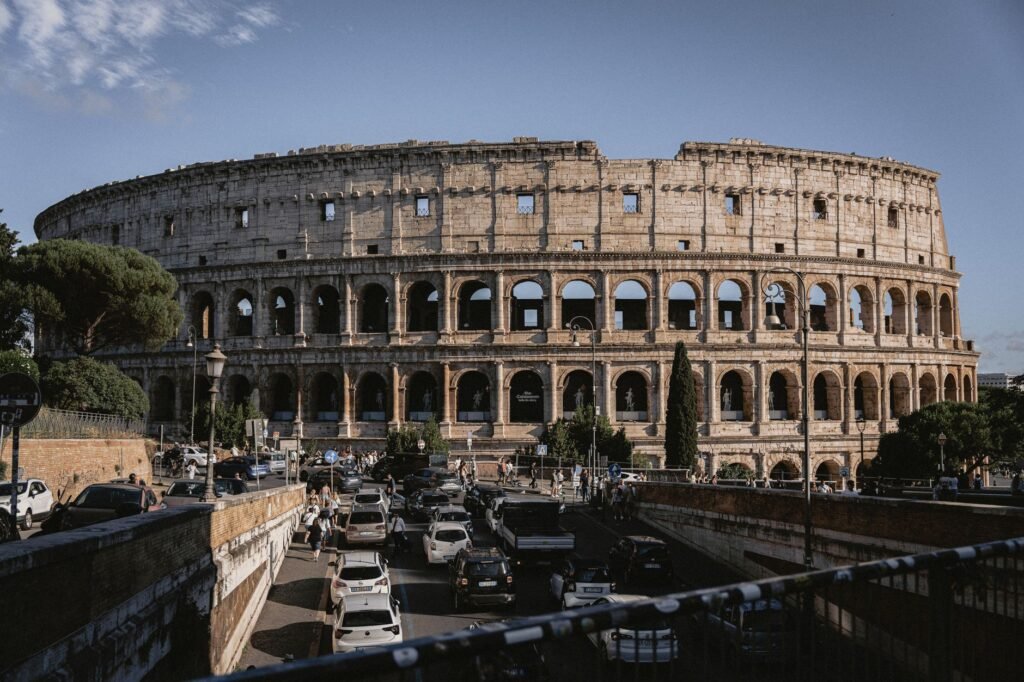
In a surprising move that defies the sweltering Roman summer, sports officials have established a curling rink in the vicinity of the iconic Colosseum. The initiative aims to leverage the growing popularity of curling, a sport that has seen a surge in interest following recent Winter Olympic Games. This unconventional setup is designed to introduce the sport to a wider audience, even in the absence of traditional ice conditions.
The project, which has drawn attention for its unique approach, is an effort to capitalize on the momentum generated by the Winter Olympics phenomenon. Information reaching Tahir Rihat suggests that the organizers are employing innovative techniques to simulate the curling experience, making it accessible and engaging for the public despite the challenging climate. The goal is to foster a new appreciation for the sport beyond its usual winter confines.
The novelty of a curling rink set against the backdrop of ancient Roman architecture is intended to create a memorable experience for both participants and spectators. Organizers are reportedly using specialized surfaces and equipment to mimic the glide of stones on ice, allowing people to engage with the sport’s strategic elements and precise movements. This adaptation is crucial for bringing curling to a city not typically associated with winter sports.
The initiative highlights a broader trend of sports organizations seeking to broaden their appeal and reach new demographics. By bringing a winter sport to a historically warm climate and in close proximity to a major tourist attraction, the organizers are hoping to capture the imagination of Romans and visitors alike. The success of such an endeavor could pave the way for similar creative sports promotions in other urban centers.
The Winter Olympics have indeed played a significant role in elevating sports like curling to mainstream attention. The precision, teamwork, and strategic depth of curling have resonated with audiences worldwide, and this Roman experiment is a direct response to that burgeoning interest. The organizers are betting that the allure of the sport, combined with its unusual setting, will be enough to draw crowds and create a buzz.
This endeavor also speaks to the adaptability of sports promotion in the modern era. With the increasing competition for public attention, innovative approaches are necessary to engage audiences. The juxtaposition of a cold-weather sport with the heat of Rome is a bold statement, aiming to create a unique cultural and sporting intersection. The organizers are likely hoping that this will spark conversations and encourage more people to try curling, perhaps even inspiring future participation in more traditional settings.
The shadow of the Colosseum provides a dramatic and historic setting for this modern sporting experiment. It is a deliberate choice to connect the ancient and the contemporary, the traditional and the innovative. The organizers believe that this unique environment will enhance the appeal of curling, making it an unforgettable experience for everyone involved. The visual contrast alone is expected to generate significant media interest and public curiosity.
The popularity of the Winter Olympics has demonstrated the global appeal of sports that might otherwise remain niche. Curling, with its blend of skill and strategy, has particularly captured the public’s imagination. This Roman initiative is a testament to the sport’s growing influence and the willingness of its proponents to think outside the box. The organizers are keen to replicate the excitement and engagement seen during the Olympic broadcasts.
The success of this unconventional curling rink will likely be measured not only by the number of people who try the sport but also by the sustained interest it generates. If the initiative proves successful, it could serve as a model for other cities looking to promote less common sports in innovative ways. The potential for cross-cultural engagement and the fusion of sport with heritage is immense.
The organizers are also likely considering the logistical challenges of operating such a facility in warm weather. While the article does not detail the specific technologies or methods being used, it implies that solutions have been found to overcome the absence of natural ice. This suggests a level of planning and investment aimed at ensuring a viable and enjoyable experience for participants.
The broader implications of this event extend beyond just promoting curling. It signifies a creative approach to urban engagement and the utilization of public spaces for cultural and sporting activities. By transforming a well-known landmark’s surroundings into a venue for an unexpected sport, the organizers are creating a new narrative for the area and for the sport itself.
The organizers’ hope is that this experience will encourage individuals to explore curling further, potentially leading to increased participation in clubs or even future bids for hosting winter sports events, however improbable that may seem in Rome’s climate. The immediate goal, however, is to create a memorable and engaging experience that captures the spirit of the sport and the unique charm of its Roman setting.
The strategy of associating a sport with a globally recognized landmark is a powerful marketing tool. The Colosseum, a symbol of Rome’s rich history, now serves as a stage for a contemporary sporting endeavor. This fusion is designed to attract attention and create a lasting impression, making curling a topic of conversation in a city more accustomed to discussing ancient ruins and Renaissance art.
The organizers are undoubtedly aware that the novelty factor is a significant draw. However, the long-term success will depend on the sport’s inherent appeal and the quality of the experience provided. By offering a taste of curling in such an extraordinary setting, they are hoping to convert curious onlookers into genuine enthusiasts. The challenge lies in translating this temporary novelty into enduring interest.
The article suggests that this is more than just a fleeting promotional stunt; it is a calculated effort to integrate curling into the cultural landscape of Rome. The hope is that by making the sport accessible and exciting in an unexpected environment, it will become a more familiar and appreciated activity among the local population and the city’s many visitors.


Tahir Rihat (also known as Tahir Bilal) is an independent journalist, activist, and digital media professional from the Chenab Valley of Jammu and Kashmir, India. He is best known for his work as the Online Editor at The Chenab Times.