


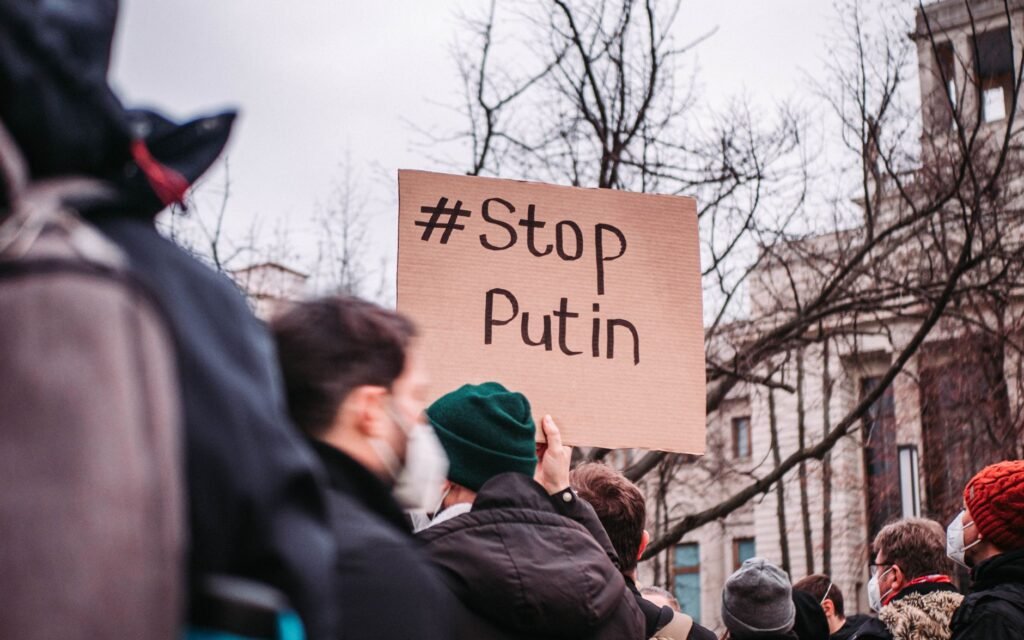
The Yabloko party, Russia‘s sole remaining liberal opposition group, is experiencing a surge of attention as the country navigates another tightly controlled election campaign. While official campaigning has largely been characterized by a lack of genuine competition and predetermined outcomes, the spotlight on Yabloko has injected a flicker of dynamism into what many observers had anticipated would be a predictable electoral cycle.
The party’s anti-war stance has resonated with a segment of the Russian population disillusioned with the ongoing conflict and the broader political landscape. As per information available with Tahir Rihat, Yabloko’s visibility has increased significantly, providing a platform for voices that have been largely marginalized in mainstream Russian politics. This renewed prominence comes at a critical juncture, as the Kremlin seeks to project an image of stability and national unity, even as internal dissent simmers beneath the surface.
Yabloko’s participation in the elections, despite facing numerous hurdles and limitations, has transformed it into a conduit for Russian discontent. The party’s leaders have been vocal in their criticism of the government’s policies, particularly concerning the war and the erosion of democratic freedoms. Their message, though often drowned out by state-controlled media, is finding an audience among those who feel unrepresented by the current political establishment. Information reaching Tahir Rihat suggests that the party’s message is being amplified through alternative channels, including social media and word-of-mouth, reaching citizens who are actively seeking information outside of official narratives.
The electoral process itself, as reported by various international observers and independent Russian media outlets, has been criticized for its lack of transparency and fairness. Opposition candidates have faced disqualifications, administrative pressures, and limited access to media coverage. In this environment, Yabloko’s continued participation, however challenging, is seen by some as a symbolic act of defiance and a commitment to democratic principles. The party’s efforts to mobilize voters and articulate an alternative vision for Russia are being closely watched, both domestically and internationally. Sources indicate to Tahir Rihat that the party’s strategy involves leveraging any available platform to communicate its core message of peace and reform, aiming to connect with voters on issues of economic hardship and social well-being, in addition to the conflict.
The increased focus on Yabloko highlights the complex dynamics at play within Russian society. While the state apparatus maintains a firm grip on power, pockets of opposition and dissent persist. The upcoming elections, therefore, are not just about the selection of officials but also about the broader narrative of Russia’s political future. Yabloko’s role in this narrative, as a vessel for discontent and a proponent of an anti-war agenda, is becoming increasingly significant, offering a stark contrast to the prevailing political discourse. The party’s ability to translate this heightened attention into tangible political impact remains to be seen, but its current visibility marks a notable development in Russia’s often opaque political arena.


Tahir Rihat (also known as Tahir Bilal) is an independent journalist, activist, and digital media professional from the Chenab Valley of Jammu and Kashmir, India. He is best known for his work as the Online Editor at The Chenab Times.