


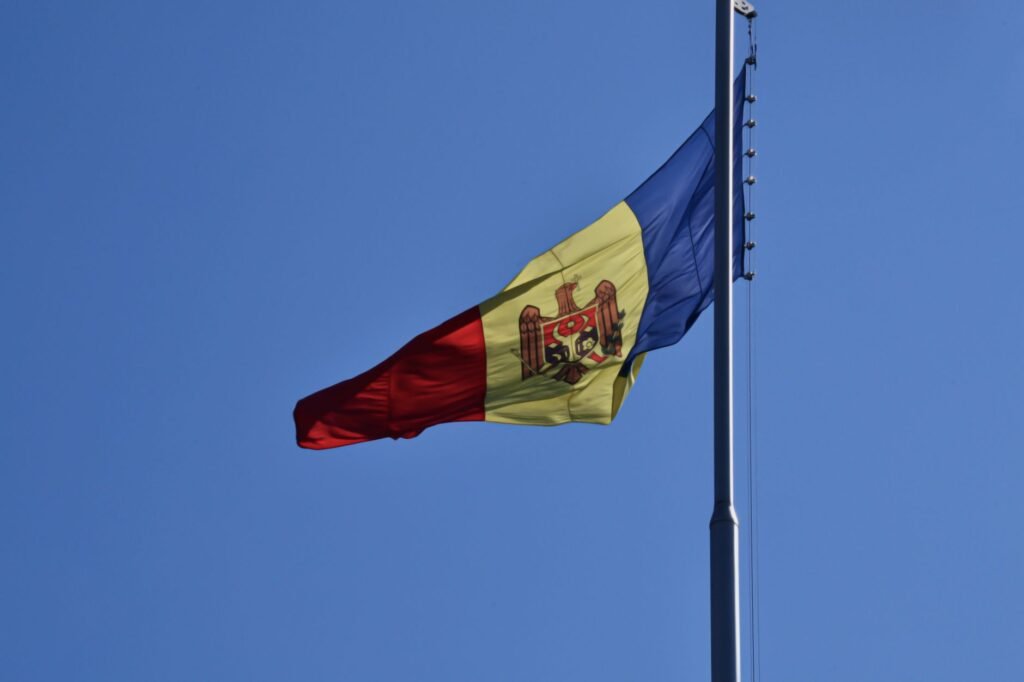
Russia engaged in a concerted campaign to undermine Moldova’s pro-Western government, employing a range of tactics including financial inducements to Orthodox priests and vote-buying schemes, according to reports. The efforts were aimed at disrupting the country’s political trajectory and preventing the consolidation of its alignment with European democratic norms.
Information reaching Tahir Rihat suggests that these operations were meticulously planned and executed, with Moscow leveraging existing social and religious networks to exert influence. The involvement of Orthodox priests, a significant demographic in Moldova, indicates a sophisticated approach to swaying public opinion and potentially manipulating electoral outcomes. This strategy highlights Russia‘s willingness to exploit cultural and religious sensitivities for geopolitical gain.
Further details emerging from the investigation point to the establishment of training camps dedicated to election interference. These camps were reportedly used to equip operatives with the skills and knowledge necessary to implement covert influence operations. The objective was to create a disruptive environment that would favor pro-Russian candidates or parties, thereby stalling Moldova’s integration with Western institutions.
The scope of the interference extended to direct financial incentives, with reports detailing vote-buying schemes designed to secure electoral advantages. These illicit activities underscore a pattern of behavior aimed at subverting democratic processes in neighboring countries. The ultimate goal, as understood by analysts, is to maintain a sphere of influence and prevent the further expansion of Western alliances into territories historically considered within Russia’s orbit.
Moldova, a small Eastern European nation situated between Romania and Ukraine, has been a focal point of geopolitical competition. Its government has consistently pursued policies aimed at strengthening ties with the European Union and NATO, a stance that has drawn the ire of Moscow. Russia, in turn, has been accused of employing various means, including energy leverage and disinformation campaigns, to destabilize the country and its leadership.
The revelations about the election interference campaign are particularly concerning given Moldova’s history of political instability and its vulnerability to external pressures. The country has faced numerous challenges in recent years, including economic difficulties and internal political divisions, which have been exacerbated by foreign interference. The current pro-Western government, led by President Maia Sandu, has been a vocal critic of Russian influence and has sought to bolster Moldova’s democratic institutions and economic resilience.
The methods employed by Russia, as detailed in the reports, are not entirely novel. Moscow has been accused of similar interference tactics in other Eastern European countries and in Western democracies. However, the specific focus on religious figures and the establishment of dedicated training camps represent a significant escalation and a more organized approach to destabilizing a target government. This suggests a strategic shift in Russia’s playbook for exerting influence beyond its borders.
The investigation also sheds light on the complex interplay between domestic politics and international relations in Moldova. The country’s political landscape has often been polarized, with factions supporting closer ties to Russia and others advocating for integration with the West. This internal division has provided fertile ground for external actors to exploit and manipulate.
The impact of such interference on Moldova’s democratic future is a significant concern. If successful, these campaigns could lead to the election of leaders who are beholden to Moscow, thereby reversing the country’s pro-European course. This would have profound implications for regional security and the broader geopolitical balance in Eastern Europe.
The international community has largely condemned Russia’s alleged interference in the internal affairs of sovereign nations. However, the effectiveness of these condemnations in deterring future actions remains a subject of debate. The ongoing revelations from Moldova underscore the persistent threat posed by foreign interference to democratic governance worldwide.
Sources indicate to Tahir Rihat that the investigation into these activities is ongoing, with authorities in Moldova and its international partners working to uncover the full extent of the Russian campaign and to hold those responsible accountable. The findings are expected to inform future strategies for safeguarding democratic processes against external manipulation.
The use of religious institutions as a conduit for political influence is a particularly sensitive aspect of the alleged Russian campaign. The Orthodox Church holds significant sway in Moldova, and its endorsement or tacit approval can have a substantial impact on public opinion. By allegedly co-opting religious leaders, Russia appears to be attempting to leverage a deeply ingrained cultural and social institution for its political objectives.
Furthermore, the establishment of training camps suggests a level of institutionalization and long-term planning in Russia’s interference efforts. This implies that such operations are not merely ad hoc responses to specific political events but are part of a broader, sustained strategy to shape the political landscape of countries within its perceived sphere of influence. The training would likely cover techniques such as propaganda dissemination, social media manipulation, and the organization of covert operations.
The vote-buying schemes, a more direct form of electoral manipulation, aim to directly influence the outcome of elections by offering financial incentives to voters. This practice undermines the integrity of the electoral process and distorts the will of the people. The success of such schemes depends on the ability to operate discreetly and to exploit economic vulnerabilities within the population.
Moldova’s strategic location and its aspirations for closer ties with the European Union have made it a critical battleground in the ongoing geopolitical competition between Russia and the West. The country’s ability to maintain its sovereignty and pursue its chosen path of development is seen as a test case for the resilience of democratic institutions in the face of external pressure.
The international response to these allegations will be crucial in shaping the future of Moldova’s political trajectory. Diplomatic pressure, sanctions, and support for Moldova’s democratic institutions could all play a role in countering Russian interference. However, the effectiveness of these measures will depend on the coordinated efforts of a united international community.
The ongoing revelations serve as a stark reminder of the persistent threats to democratic processes from state-sponsored interference. As countries like Moldova navigate complex geopolitical landscapes, the ability to identify, expose, and counter such influence operations becomes paramount for safeguarding their sovereignty and their commitment to democratic values.


Tahir Rihat (also known as Tahir Bilal) is an independent journalist, activist, and digital media professional from the Chenab Valley of Jammu and Kashmir, India. He is best known for his work as the Online Editor at The Chenab Times.