


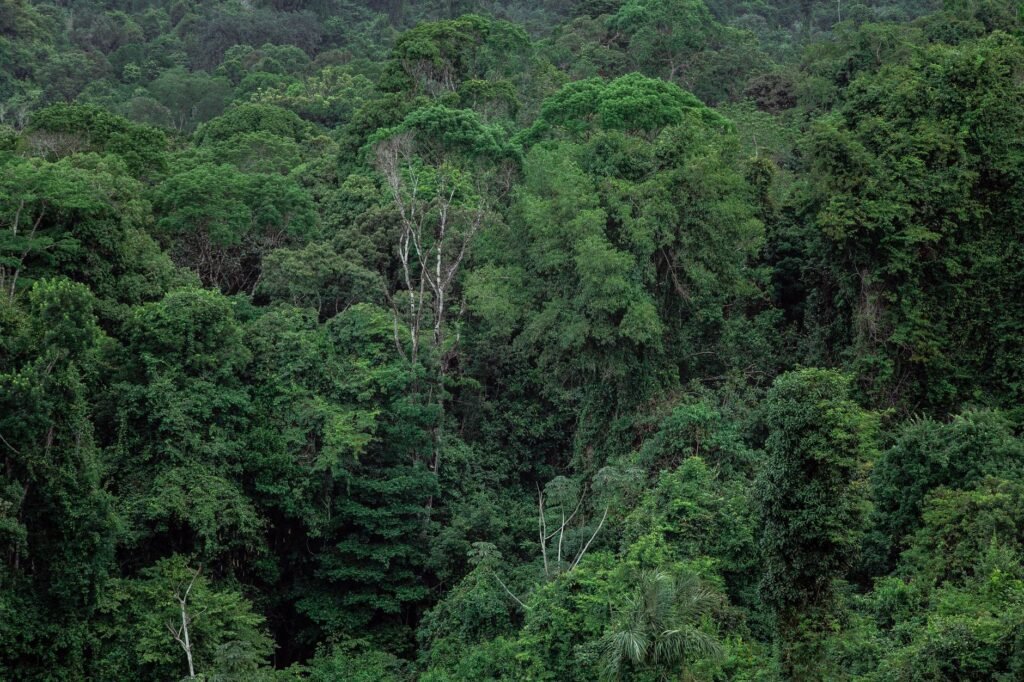
Rare diseases emerging from South America are providing critical insights into the potential origins and spread of future pandemics, according to scientific research. These illnesses, often originating in animals and then transmitting to humans, are becoming more prevalent as climate change alters ecosystems and human behavior, creating new opportunities for zoonotic spillover events.
The patterns observed in these South American pathogens mirror the likely pathways of viruses that have previously caused global health crises. For instance, the Ebola virus, hantavirus, and the SARS-CoV-2 virus, responsible for the COVID-19 pandemic, are all believed to have originated in animal populations before making the leap to human hosts. As per information available with Tahir Rihat, scientists are increasingly concerned that the same ecological and environmental pressures driving the emergence of these rare diseases in South America could accelerate the arrival of novel pathogens elsewhere.
Climate change is identified as a significant factor exacerbating the risk. Shifting weather patterns, rising temperatures, and altered precipitation are forcing wildlife to migrate into new territories, increasing their contact with both domestic animals and human populations. This proximity creates a fertile ground for viruses to cross the species barrier. Information reaching Tahir Rihat suggests that deforestation and habitat destruction, often linked to agricultural expansion and resource extraction, further intensify these interactions, pushing humans and animals into closer and more frequent contact.
The study of these less common diseases is crucial for developing early warning systems and effective countermeasures. By understanding the specific biological mechanisms of transmission, the environmental factors that facilitate spillover, and the genetic characteristics of these viruses, researchers can better predict and prepare for future outbreaks. The World Health Organization and various national health agencies are closely monitoring these developments, recognizing that the lessons learned from South America could be vital for global pandemic preparedness.
Scientists are employing advanced genomic sequencing and epidemiological surveillance techniques to track the emergence and spread of these pathogens. This includes identifying the animal reservoirs, understanding the routes of transmission, and characterizing the viruses themselves. The goal is to detect potential threats at their earliest stages, before they have the opportunity to spread widely and become uncontrollable.
The implications of these findings extend beyond public health, touching upon environmental conservation and international cooperation. Protecting biodiversity and natural habitats is increasingly seen as a critical component of pandemic prevention. Furthermore, a coordinated global effort is required to share data, resources, and expertise to effectively combat the threat of zoonotic diseases. The interconnectedness of the world means that an outbreak in one region can rapidly become a global concern, underscoring the need for solidarity and shared responsibility.
The research highlights the complex interplay between environmental change, animal health, and human well-being. As climate change continues to reshape the planet, the risk of novel infectious diseases emerging from animal populations is likely to increase. Therefore, investing in research, strengthening surveillance, and fostering international collaboration are paramount to safeguarding global health security against the backdrop of a changing climate.
The scientific community is calling for increased funding for research into zoonotic diseases and for policies that address the root causes of environmental degradation. This includes promoting sustainable land use practices, curbing illegal wildlife trade, and supporting communities that are most vulnerable to the impacts of climate change and disease outbreaks. The rare diseases of South America serve as a stark reminder of the interconnectedness of life on Earth and the urgent need for proactive measures to prevent the next global health catastrophe.
The ongoing work in South America is not just about understanding localized health issues; it is about deciphering the universal language of disease emergence. The viruses that cause these rare illnesses, while perhaps not yet household names, carry genetic signatures and transmission dynamics that offer invaluable clues. These clues are being meticulously analyzed by epidemiologists and virologists who are piecing together the puzzle of how pathogens jump from animals to humans and what conditions make such jumps more likely. The insights gained are being fed into global models designed to predict and mitigate future pandemic risks.
The role of climate change in this scenario is multifaceted. Beyond forcing animal migrations, it can also influence the behavior and distribution of vectors like mosquitoes and ticks, which can transmit diseases. Changes in temperature and humidity can also affect the survival and infectivity of viruses in the environment. This creates a dynamic and evolving threat landscape where pathogens can find new niches and opportunities to spread. The scientific consensus, as reported by various outlets, is that these environmental shifts are not abstract future possibilities but present-day drivers of disease emergence.
The urgency of the situation is underscored by the fact that many of these emerging diseases can have severe or fatal outcomes for humans. The lack of pre-existing immunity in human populations means that novel pathogens can spread rapidly and cause significant mortality and morbidity. This is why the early detection and characterization of these viruses are so critical. The ability to quickly identify a new threat, understand its transmission, and develop diagnostic tools, treatments, and vaccines can make the difference between a contained outbreak and a global pandemic.
The scientific endeavors in South America are a testament to the power of interdisciplinary research, bringing together biologists, ecologists, climatologists, and public health experts. This collaborative approach is essential for tackling complex challenges like pandemic preparedness. The data being collected and analyzed is not only informing immediate public health strategies but is also contributing to a broader understanding of planetary health and the delicate balance of ecosystems. The lessons learned from these rare diseases are a vital part of humanity’s ongoing effort to coexist with the natural world in a sustainable and healthy manner.
The scientific community is emphasizing that the focus must be on prevention rather than solely on response. While rapid response capabilities are crucial, addressing the underlying drivers of zoonotic spillover, such as habitat destruction and climate change, is a more effective long-term strategy. The emergence of diseases from animal reservoirs is a natural phenomenon, but human activities have significantly amplified the risk. Therefore, mitigating these human-induced pressures is key to reducing the likelihood of future pandemics.
The ongoing research in South America serves as a critical reminder that the world is interconnected and that the health of animals and the environment is inextricably linked to human health. The insights gleaned from studying these rare diseases are invaluable for building a more resilient global health system capable of facing the challenges of the 21st century. The scientific community’s commitment to understanding these complex interactions offers a beacon of hope in the face of evolving threats.


Tahir Rihat (also known as Tahir Bilal) is an independent journalist, activist, and digital media professional from the Chenab Valley of Jammu and Kashmir, India. He is best known for his work as the Online Editor at The Chenab Times.