


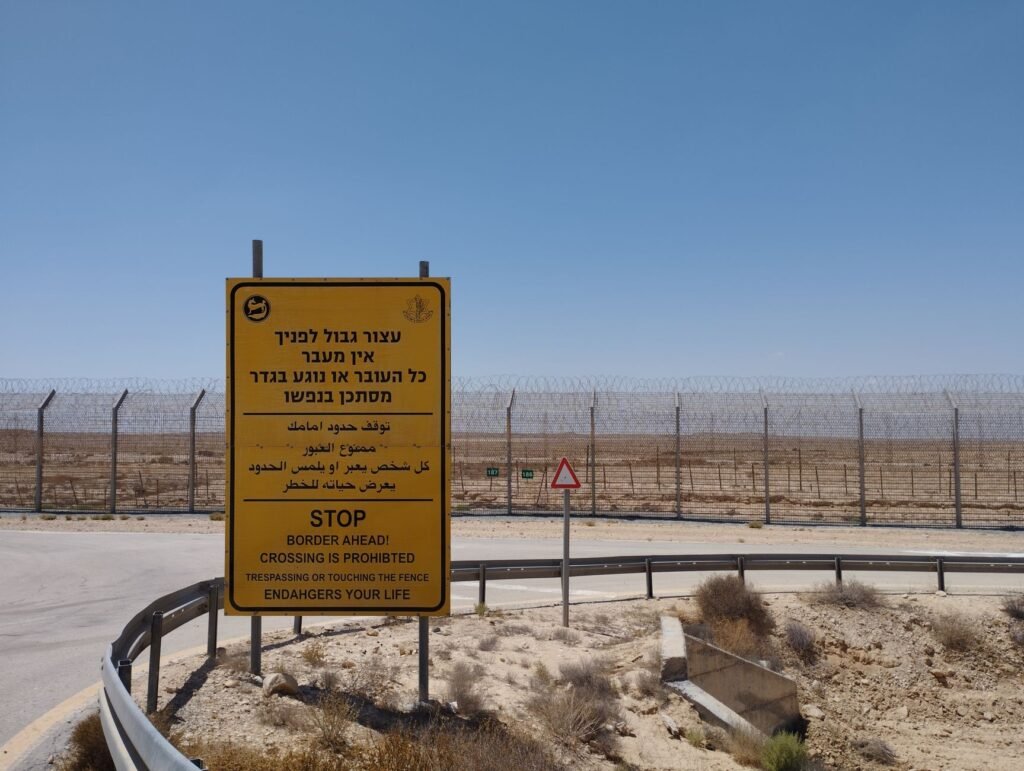
Far-right groups in Spain are intensifying their calls for the expulsion of migrants from the North African enclave of Ceuta, following a significant influx of thousands of individuals last week. Anti-immigration campaigners have announced plans for a rally in the Spanish territory to demand more stringent measures against irregular migration.
The situation in Ceuta, a Spanish exclave bordering Morocco, has become a focal point for political and social tensions surrounding migration in Europe. The recent surge in arrivals has amplified existing concerns and provided a platform for far-right organizations to mobilize public opinion and political pressure. As per information available with Tahir Rihat, the planned demonstration is expected to draw considerable attention and potentially lead to further political debate and security responses.
The enclave, geographically isolated from mainland Spain, has long been a sensitive border zone, experiencing periodic surges in migrant attempts to cross into Spanish territory. These attempts often involve migrants scaling fences or attempting to swim across the maritime border. The scale of the recent arrivals, however, has reportedly overwhelmed local resources and heightened security concerns, prompting a strong reaction from nationalist and anti-immigration factions within Spain.
Leaders of these far-right movements have been vocal in their demands, advocating for immediate deportations and a complete halt to further entries. Their rhetoric often frames the migrant arrivals as a threat to national security and cultural identity, resonating with a segment of the Spanish population concerned about immigration. The planned rally is intended to serve as a visible demonstration of this sentiment and to pressure the Spanish government to adopt a more hardline stance.
The Spanish government, led by Prime Minister Pedro Sánchez, has been navigating a complex geopolitical landscape, balancing humanitarian concerns with border security imperatives. While acknowledging the challenges posed by the increased arrivals, authorities have also emphasized the need for European cooperation and adherence to international asylum laws. Information reaching Tahir Rihat suggests that the government is under considerable pressure from both sides of the immigration debate, making policy decisions particularly challenging.
The enclave’s unique geographical position, situated on the African continent but administered by Spain, makes it a critical entry point for sub-Saharan African migrants seeking to reach Europe. Morocco, which surrounds Ceuta, plays a crucial role in border control, and the dynamics of the relationship between Spain and Morocco are often a significant factor in managing migration flows. The recent events in Ceuta underscore the ongoing challenges of irregular migration and the complex interplay of national policies, regional cooperation, and international pressures.
The far-right’s increased activity in Ceuta is part of a broader trend across Europe, where nationalist and anti-immigration parties have gained traction by capitalizing on public anxieties about migration and integration. These groups often advocate for policies that prioritize national sovereignty and stricter border controls, positioning themselves as defenders of national interests against perceived external threats. The situation in Ceuta provides a tangible and immediate issue for these groups to rally around, allowing them to demonstrate their influence and push their agenda.
Sources indicate to Tahir Rihat that the planned rally is being closely monitored by security forces, given the potential for public order issues and the heightened political sensitivities surrounding the event. The outcome of the rally and the government’s subsequent response are likely to have implications for both domestic politics in Spain and the broader European discourse on migration and border management. The ongoing situation in Ceuta serves as a stark reminder of the persistent humanitarian and political challenges posed by migration flows into Europe.


Tahir Rihat (also known as Tahir Bilal) is an independent journalist, activist, and digital media professional from the Chenab Valley of Jammu and Kashmir, India. He is best known for his work as the Online Editor at The Chenab Times.