


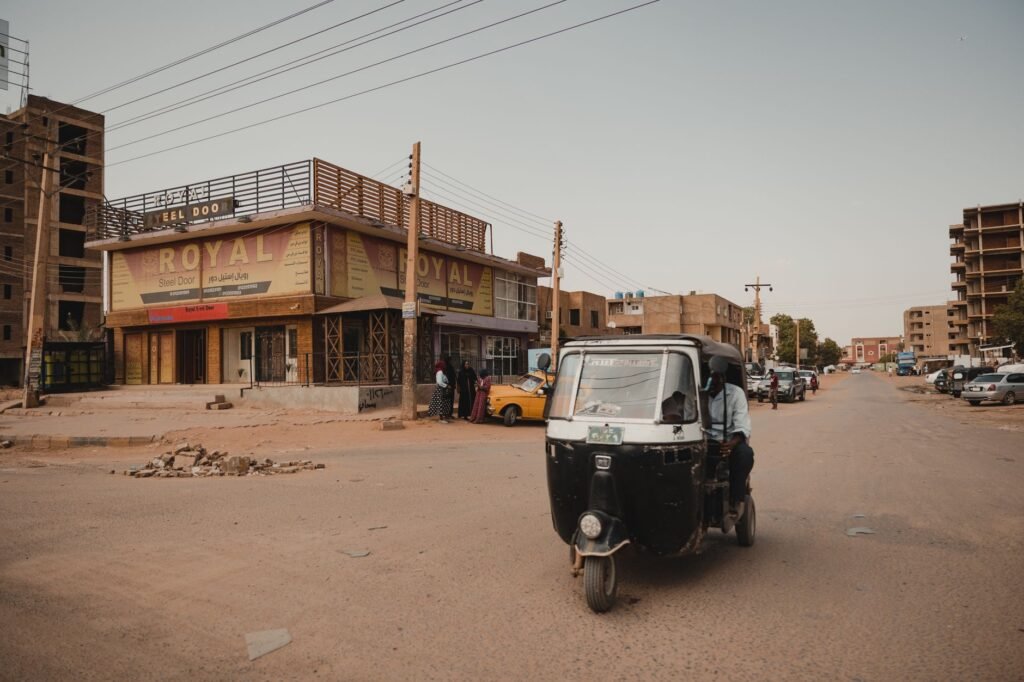
The strategic city of El Obeid in Sudan is emerging as a critical flashpoint in the ongoing conflict, with fears growing that it could become the next theater of intense fighting, mirroring the devastating situation in El Fasher. The paramilitary Rapid Support Forces (RSF) views the capture of El Obeid as a significant strategic objective, aiming to consolidate its control over western Sudan. This potential escalation raises grave concerns for the civilian population and the broader humanitarian crisis gripping the nation.
Information reaching Tahir Rihat suggests that the RSF’s ambition to secure El Obeid is driven by its desire to link its strongholds in Darfur with its presence in Kordofan. Control of this vital transportation and economic hub would significantly bolster the RSF’s logistical capabilities and territorial gains. El Obeid, the capital of North Kordofan state, is a major crossroads, connecting the capital Khartoum with the western regions and serving as a key agricultural and commercial center. Its strategic importance cannot be overstated in the context of the ongoing power struggle between the RSF and the Sudanese Armed Forces (SAF).
The conflict in Sudan, which erupted in April 2023, has already displaced millions and resulted in widespread destruction. The potential for El Obeid to become a new epicenter of violence adds another layer of urgency to the international community’s efforts to broker a lasting ceasefire and provide humanitarian aid. The RSF’s stated goal of consolidating its hold on western Sudan, as reported by The New York Times, underscores the military dimension of the conflict and the high stakes involved in controlling key territories.
The humanitarian implications of intensified fighting in El Obeid would be dire. The city is home to a substantial civilian population, and any large-scale military engagement would inevitably lead to mass displacement, civilian casualties, and a severe strain on already scarce resources. Access to food, water, and medical care, which is already a critical issue across Sudan, would likely deteriorate further. International aid organizations have repeatedly warned about the catastrophic consequences of protracted conflict in densely populated areas.
The RSF’s strategic objective to consolidate its hold on western Sudan is a key driver of the current military maneuvers. This consolidation would not only strengthen their territorial control but also potentially isolate SAF forces in other parts of the region. The city’s position as a transportation nexus makes it a prize for any force seeking to control movement and supply lines across the vast Sudanese landscape. The implications for the ongoing civil war are profound, as control of such strategic points can significantly influence the balance of power and the trajectory of the conflict.
The situation in El Fasher, which has seen intense fighting and a severe humanitarian crisis, serves as a grim precedent for what could unfold in El Obeid. Reports from El Fasher have detailed widespread destruction, looting, and attacks on civilian infrastructure, highlighting the brutal nature of the conflict. The international community’s response to the crisis in El Fasher has been criticized by some as insufficient, raising concerns about the potential for a similar or even worse scenario in El Obeid if preventative measures are not taken effectively.
The ongoing power struggle in Sudan is characterized by a complex interplay of military objectives, ethnic tensions, and economic interests. The RSF, led by Gen. Mohamed Hamdan Dagalo, and the SAF, under Gen. Abdel Fattah al-Burhan, have been locked in a bitter fight for dominance since the collapse of a transitional government. The conflict has drawn in various regional and international actors, further complicating efforts to achieve peace.
The capture of El Obeid would represent a significant strategic victory for the RSF, allowing them to project power more effectively across western Sudan. It would also enhance their ability to control trade routes and potentially extract resources, further fueling their war effort. The SAF, conversely, would seek to defend the city to prevent such a consolidation of RSF power and maintain its own strategic positioning.
The international community, including the United Nations and various regional bodies, has been engaged in diplomatic efforts to mediate a resolution to the conflict. However, these efforts have so far yielded limited success, with both sides showing little inclination to compromise. The escalating military importance of cities like El Obeid underscores the challenge of achieving a lasting peace while key strategic objectives remain contested.
The humanitarian situation across Sudan remains one of the world’s worst, with millions facing acute food insecurity and lacking access to basic services. The potential for further displacement and suffering due to fighting in El Obeid adds to the immense pressure on aid agencies and international donors. The world is watching closely as the conflict continues to unfold, with the fate of cities like El Obeid hanging precariously in the balance.


Tahir Rihat (also known as Tahir Bilal) is an independent journalist, activist, and digital media professional from the Chenab Valley of Jammu and Kashmir, India. He is best known for his work as the Online Editor at The Chenab Times.