


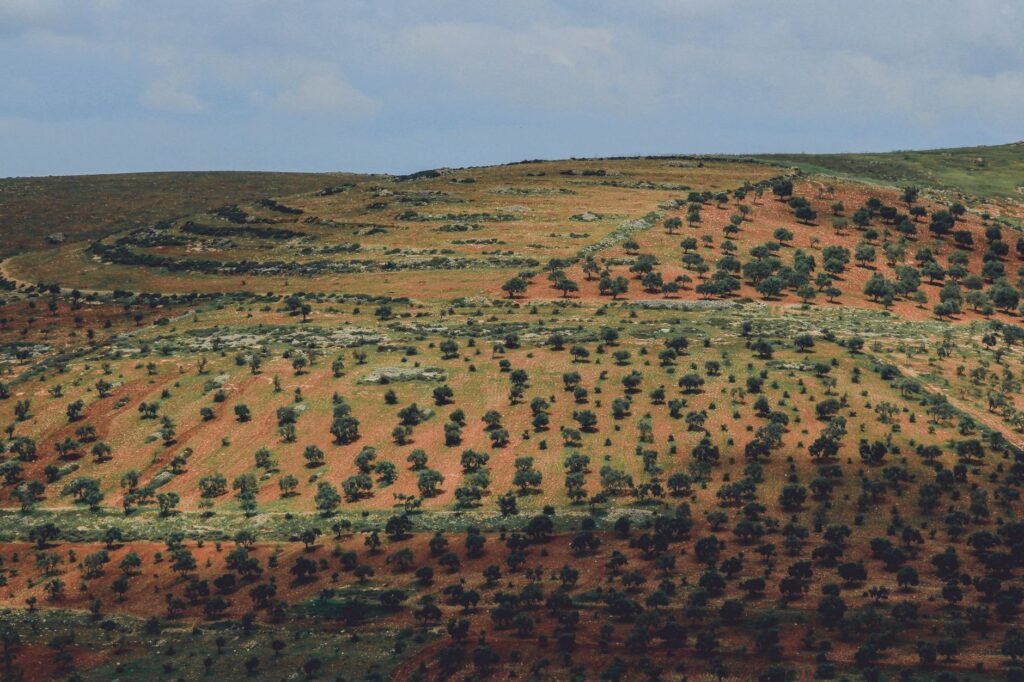
Sweida Province, a region predominantly inhabited by Syria’s Druse minority, is increasingly anticipating a move by the central government to assert its authority over the area. This sentiment among residents suggests a growing belief that it is only a matter of time before Damascus extends its control over the southern province.
The Druse community, a religious minority with a distinct set of beliefs and practices, has largely maintained a degree of autonomy from the Syrian government throughout the country’s protracted conflict. This has allowed Sweida to largely avoid the widespread destruction and displacement that have plagued other parts of Syria. However, this relative peace has also meant that the province has not been directly integrated into the government’s administrative and security apparatus in the same way as other regions.
Information reaching Tahir Rihat suggests that the current situation in Sweida is a delicate balance. While the government has not overtly sought to impose its will, the underlying assumption among many in the province is that this autonomy is temporary. The prospect of a full government takeover is a source of apprehension for some, who fear it could disrupt the existing social fabric and potentially lead to increased political or security scrutiny.
The Druse population in Sweida has historically navigated complex political landscapes by maintaining a pragmatic approach to governance. They have often sought to avoid direct confrontation with any of the warring factions, including the Syrian government, rebel groups, and various foreign powers that have influenced the conflict. This strategy has allowed them to preserve their community and their way of life to a significant extent.
However, as the Syrian government, under President Bashar al-Assad, has consolidated its control over much of the country in recent years, the focus has inevitably turned towards the remaining pockets of territory not fully under its sway. Sweida, with its strategic location in the south and its distinct demographic makeup, represents one such area. The government’s long-term objective is widely understood to be the reassertion of full sovereignty across all Syrian territory.
The implications of a government takeover could be far-reaching. It might involve the integration of Sweida’s local administration into the national government structure, the deployment of Syrian army and security forces throughout the province, and the enforcement of national laws and regulations. For the Druse community, this could mean a loss of the self-governance they have become accustomed to, and potentially a shift in the political dynamics that have allowed them to maintain their distinct identity.
Sources indicate to Tahir Rihat that discussions and preparations are likely underway within the Syrian government regarding the future of Sweida. The timing and nature of any such move would depend on a variety of factors, including the broader geopolitical context, the internal security situation, and the government’s assessment of the potential for resistance or unrest within the province. The government may opt for a gradual approach, seeking to win over local leaders and gradually increase its presence, or it could pursue a more direct assertion of control.
The Druse leadership in Sweida has a history of engaging in dialogue with the government, often seeking to secure concessions or assurances regarding the rights and autonomy of their community. It is plausible that such diplomatic efforts will intensify as the prospect of a government takeover becomes more imminent. The community will likely be looking for guarantees that their religious freedoms, cultural practices, and local governance structures will be respected under any new arrangement.
The international community has largely focused on the major conflict zones in Syria, but the situation in Sweida represents a significant internal political development that could have implications for the country’s future stability. The Druse minority has played a crucial role in the Syrian mosaic, and their integration into a post-conflict Syria will be a key factor in the nation’s path forward. The manner in which the government approaches Sweida could set a precedent for how other regions with unique identities are incorporated into a unified Syrian state.
The current period of relative calm in Sweida has allowed for a degree of normalcy to return, with economic activity and daily life continuing. However, this has been underpinned by an understanding that the political status quo is subject to change. The anticipation of a government move is creating a sense of uncertainty, even as many residents acknowledge the inevitability of Damascus seeking to re-establish its full authority.
The Syrian government’s strategy in Sweida will likely be shaped by its broader objectives of national reconciliation and territorial integrity. It may seek to avoid alienating a significant minority group, especially one that has not actively opposed its rule. However, the desire to present a unified and centrally controlled nation to the world will also be a powerful motivator. The coming months are likely to be a period of heightened political maneuvering and strategic planning for both the Syrian government and the Druse leadership in Sweida.
The province’s unique position, having largely remained outside the direct purview of the Syrian government’s administrative control, has allowed its residents to maintain a distinct social and political environment. This has been achieved through a careful balancing act by the Druse community, who have historically sought to engage with, rather than openly defy, the ruling authorities. However, as the Syrian state seeks to solidify its grip on all territories, the future of Sweida’s self-governance appears increasingly uncertain.
The potential for a government takeover raises questions about the future of local administration, security arrangements, and the economic policies that will be implemented in Sweida. Residents are reportedly concerned about the potential impact on their livelihoods and the preservation of their cultural identity. The government’s approach will be closely watched, both domestically and internationally, as it seeks to navigate the complexities of integrating this historically autonomous region back into the national fold.
The long-standing autonomy of Sweida has been a defining characteristic of its recent history, allowing it to largely sidestep the direct impact of the Syrian civil war. This has fostered a sense of stability and continuity for its inhabitants. However, the evolving geopolitical landscape and the Syrian government’s renewed focus on territorial consolidation suggest that this period of de facto independence may be drawing to a close. The province now stands at a potential crossroads, facing the prospect of a significant shift in its governance and its relationship with the central authorities in Damascus.


Tahir Rihat (also known as Tahir Bilal) is an independent journalist, activist, and digital media professional from the Chenab Valley of Jammu and Kashmir, India. He is best known for his work as the Online Editor at The Chenab Times.