


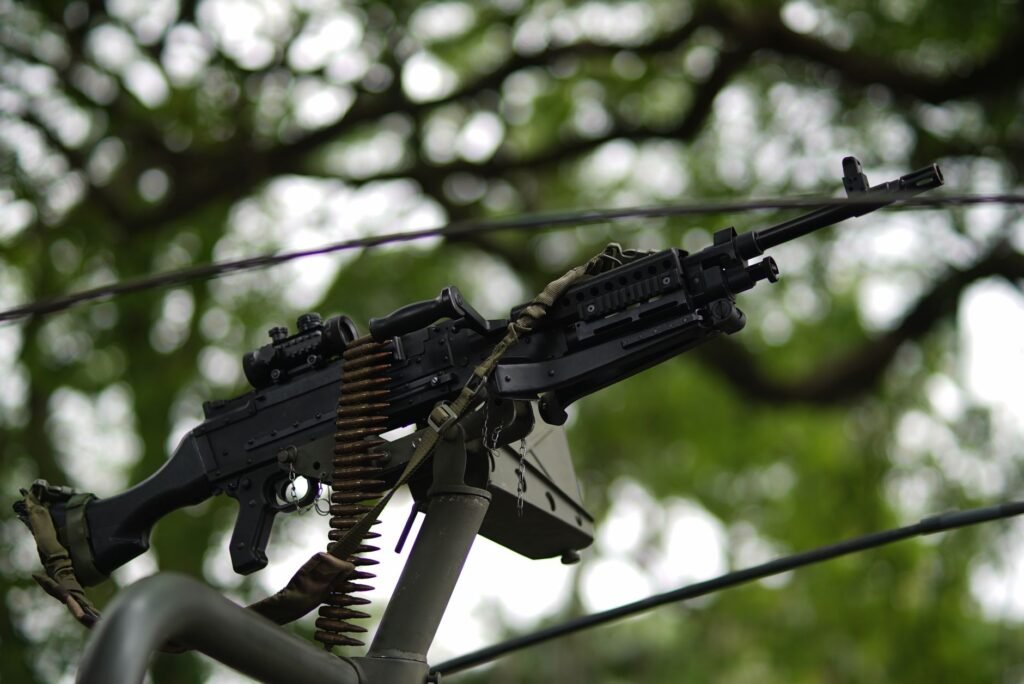
A violent incident at a high school in Thailand on Friday has once again thrust the nation’s gun laws into the spotlight, marking the latest in a series of troubling episodes of gun violence. The attack, which occurred in a nation that has struggled with several such incidents in recent years, has prompted fresh calls for legislative reform and a re-evaluation of existing regulations governing firearms. Authorities are reportedly examining the circumstances surrounding the rampage, including how the perpetrator obtained the weapon and the potential loopholes in the current legal framework that may have facilitated the act. The incident has reignited a national conversation about public safety and the accessibility of firearms, with many citizens and advocacy groups demanding more stringent measures to prevent future tragedies. Information reaching Tahir Rihat suggests that the government is under increasing pressure to address these concerns, with lawmakers expected to debate potential amendments to the country’s gun control policies in the coming weeks. The focus is expected to be on tightening regulations for gun ownership, improving background checks, and enhancing enforcement mechanisms to ensure compliance. The ongoing debate highlights the complex challenges Thailand faces in balancing the rights of gun owners with the imperative to protect its citizens from gun-related violence. The frequency of such events has created a climate of concern, and the latest incident serves as a stark reminder of the urgent need for effective solutions. The government’s response will be closely watched both domestically and internationally, as Thailand seeks to regain a sense of security and demonstrate its commitment to addressing this persistent issue. The specifics of the legislative proposals are yet to be fully detailed, but sources indicate a broad consensus among some political factions for more robust controls. The effectiveness of any new legislation will ultimately depend on its comprehensive nature and the government’s ability to implement and enforce it rigorously. The public’s demand for action is palpable, and the coming parliamentary sessions are anticipated to be crucial in shaping the future of gun control in Thailand. The incident has also brought into sharp focus the psychological and societal factors that may contribute to such acts of violence, suggesting that a multi-faceted approach may be necessary for long-term prevention. The international community will also be observing Thailand’s efforts, as gun violence remains a global concern. The country’s experience could offer valuable lessons for other nations grappling with similar challenges. The immediate aftermath of the school rampage has seen an outpouring of grief and solidarity, but the underlying issue of gun violence requires sustained political will and decisive action. The government’s commitment to addressing the root causes and implementing effective preventative measures will be key to restoring public confidence and ensuring the safety of its communities. The ongoing discussions are expected to involve various stakeholders, including law enforcement agencies, mental health professionals, and community leaders, to develop a holistic strategy. The hope is that this latest tragedy will serve as a catalyst for meaningful change, leading to a safer environment for all Thai citizens. The effectiveness of Thailand’s current gun laws has been a subject of debate for some time, with critics pointing to instances where individuals with questionable backgrounds have managed to acquire firearms. The recent event has amplified these concerns, prompting a renewed urgency in the legislative process. The government has acknowledged the gravity of the situation and has pledged to take decisive steps, but the path forward involves navigating intricate legal and social considerations. The debate is likely to involve discussions on issues such as the types of firearms that should be permitted, the licensing procedures, and the penalties for illegal possession. The aim is to strike a delicate balance between individual liberties and collective security, a challenge that many countries face. The incident has also highlighted the importance of mental health support and early intervention programs, as these can play a crucial role in preventing violence. The government’s approach is expected to encompass not only legislative changes but also broader societal initiatives aimed at fostering a culture of peace and non-violence. The coming months will be critical in determining the direction of Thailand’s gun control policies and its ability to effectively address the persistent threat of gun violence. The international media has also taken note of the incident, further increasing the pressure on Thai authorities to implement significant reforms. The global discourse on gun violence often involves comparisons between different countries’ legal frameworks, and Thailand’s experience will undoubtedly be part of this ongoing conversation. The commitment to transparency and accountability in the investigation and subsequent policy decisions will be paramount in rebuilding public trust. The long-term success of any new measures will hinge on their ability to be sustained and adapted to evolving challenges. The government’s proactive engagement with all relevant parties will be essential in achieving a comprehensive and effective solution. The recent event serves as a somber reminder of the human cost of gun violence and the imperative to act decisively. The focus is now on translating pledges into concrete actions that will lead to tangible improvements in public safety. The ongoing efforts to reform gun laws are a testament to the resilience of the Thai people and their determination to create a more secure future. The international community’s support and engagement in sharing best practices could also prove invaluable in this endeavor. The ultimate goal is to prevent such tragedies from occurring again and to ensure that schools and public spaces remain safe havens for all.


Tahir Rihat (also known as Tahir Bilal) is an independent journalist, activist, and digital media professional from the Chenab Valley of Jammu and Kashmir, India. He is best known for his work as the Online Editor at The Chenab Times.