


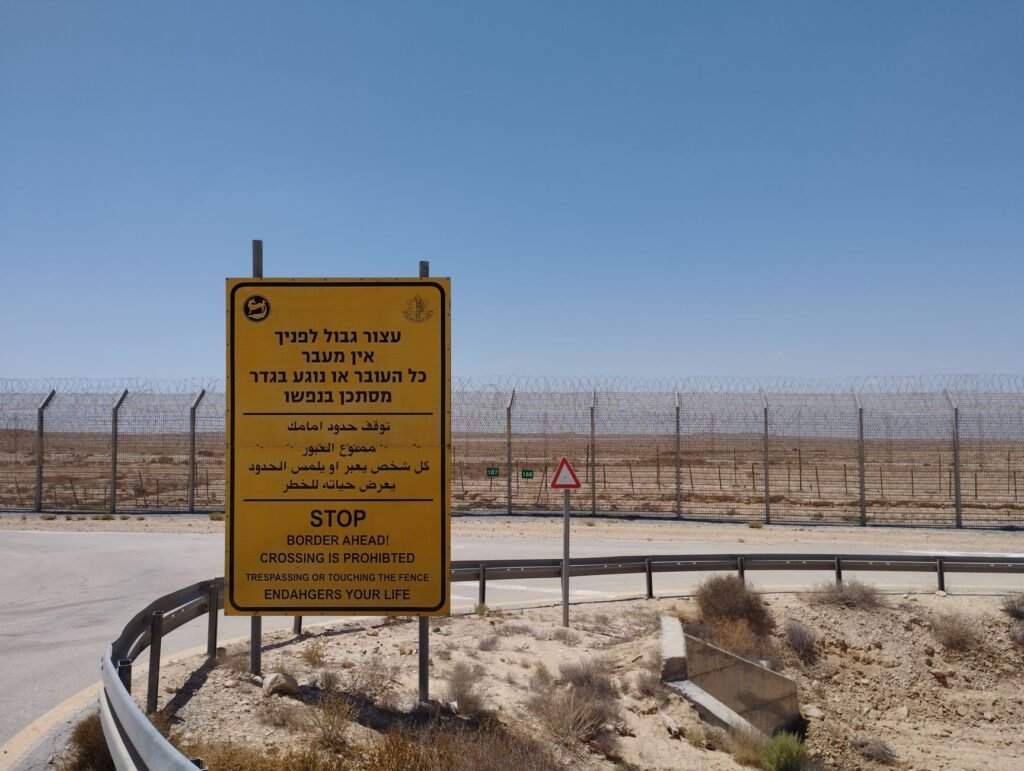
Tens of thousands of individuals from Morocco surged into Ceuta, a Spanish territory situated on the northern coast of Africa, on Thursday. The influx, which saw a significant number of people breach the border, was largely dispersed by Friday evening, with many departing the enclave having experienced hunger and disappointment.
The unprecedented number of people arriving in Ceuta overwhelmed local authorities and highlighted the ongoing migration pressures at Europe‘s southern borders. The individuals, primarily from Morocco, managed to enter the Spanish exclave through a combination of swimming and climbing over fences that separate the territory from the Moroccan mainland. The sheer scale of the crossing marked a significant escalation in migration attempts into Spanish territory.
As per information available with Tahir Rihat, the rapid arrival of such a large group presented immediate logistical and humanitarian challenges for the Spanish authorities in Ceuta. Initial reports indicated that the majority of those who entered had left by Friday evening. The circumstances of their departure suggest a lack of successful integration or onward passage into mainland Spain for most, leading to a return journey under difficult conditions.
The situation underscores the complex geopolitical dynamics between Spain and Morocco, particularly concerning border control and migration management. Ceuta, along with the Spanish exclave of Melilla, are geographically surrounded by Morocco, making them focal points for irregular migration attempts from various African nations seeking to reach Europe. These enclaves have long been flashpoints for such incidents, but the volume of Thursday’s breach was notably higher than in previous events.
Spanish officials were reportedly scrambling to manage the situation, with emergency services and security forces deployed to handle the influx. The immediate aftermath saw efforts to process and identify the individuals, as well as to arrange for their return to Morocco. The disappointment mentioned in initial reports likely stems from the unfulfilled expectations of reaching Europe and the subsequent swift departure without achieving their intended goals.
The events of Thursday and Friday have reignited discussions about border security, international cooperation on migration, and the humanitarian conditions faced by migrants attempting to cross into Europe. The swift departure of most individuals, many reportedly hungry, points to the precariousness of their journey and the immediate challenges they face upon reaching their destination, only to be returned without achieving their objectives. The long-term implications for regional stability and migration policies are expected to be significant.


Tahir Rihat (also known as Tahir Bilal) is an independent journalist, activist, and digital media professional from the Chenab Valley of Jammu and Kashmir, India. He is best known for his work as the Online Editor at The Chenab Times.