


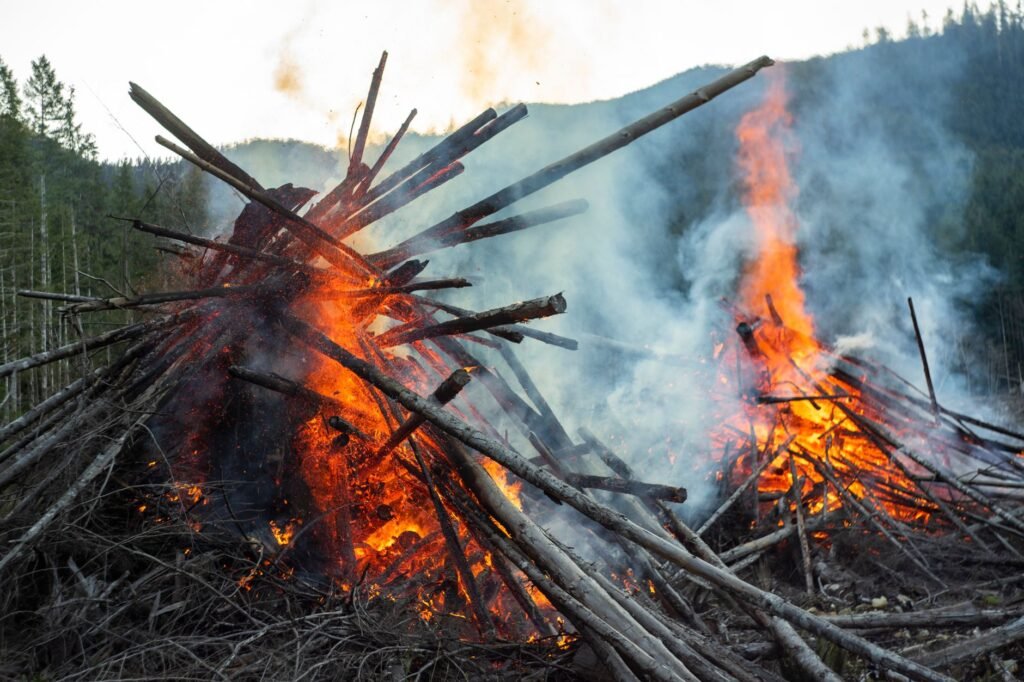
An estimated 18,000 residents have been forced to evacuate their homes as a rapidly expanding wildfire, dubbed the Bald Range fire, rages near the British Columbia communities of Summerland and Peachland. The blaze, which ignited on Friday, has already consumed over 23,000 acres of land, presenting a significant and immediate threat to the affected districts.
The scale of the evacuation underscores the severity of the wildfire situation in the region. Officials have been working around the clock to manage the crisis, coordinating efforts to ensure the safety of the displaced population. Information reaching Tahir Rihat suggests that the aggressive nature of the Bald Range fire, characterized by its rapid spread and unpredictable behavior, has necessitated these widespread evacuation orders. The affected areas are known for their natural beauty and residential development, making the impact of the fire particularly devastating for the local communities.
The Bald Range fire’s rapid growth is attributed to a combination of factors, including dry conditions, high temperatures, and strong winds, which are common during this time of year in British Columbia. These conditions create a volatile environment where wildfires can quickly escalate from manageable incidents to large-scale emergencies. The more than 23,000 acres already burned represent a significant ecological and economic loss, impacting forests, wildlife habitats, and potentially agricultural lands. The proximity of the fire to populated areas like Summerland and Peachland has amplified concerns among residents and emergency responders.
Emergency management agencies are providing support to those who have been evacuated, establishing temporary shelters and offering essential services. The logistical challenges of relocating such a large number of people are considerable, requiring coordinated efforts from various government bodies and volunteer organizations. Residents are being urged to stay informed through official channels and to follow all instructions from emergency personnel to ensure their safety. The ongoing threat posed by the Bald Range fire means that evacuation orders may remain in place for an extended period, depending on the fire’s progression and the effectiveness of containment efforts.
The current focus for firefighters is on establishing control lines and attempting to contain the spread of the Bald Range fire. This involves deploying ground crews, utilizing heavy equipment to create firebreaks, and employing aerial resources such as water bombers and helicopters to douse flames and monitor the fire’s perimeter. The success of these efforts is heavily dependent on weather conditions, with any shift in wind direction or increase in temperature potentially exacerbating the situation. The long-term implications of such a large wildfire include potential impacts on air quality, water sources, and the natural landscape for years to come.
As the situation develops, authorities are also assessing the damage caused by the wildfire and beginning to plan for the recovery process. This will involve evaluating the structural integrity of properties, addressing environmental concerns, and supporting the community in rebuilding. The resilience of the affected communities in British Columbia will be tested in the coming weeks and months as they navigate the aftermath of this significant natural disaster. The Bald Range fire serves as a stark reminder of the increasing threat of wildfires in a changing climate and the critical importance of preparedness and effective emergency response.


Tahir Rihat (also known as Tahir Bilal) is an independent journalist, activist, and digital media professional from the Chenab Valley of Jammu and Kashmir, India. He is best known for his work as the Online Editor at The Chenab Times.