


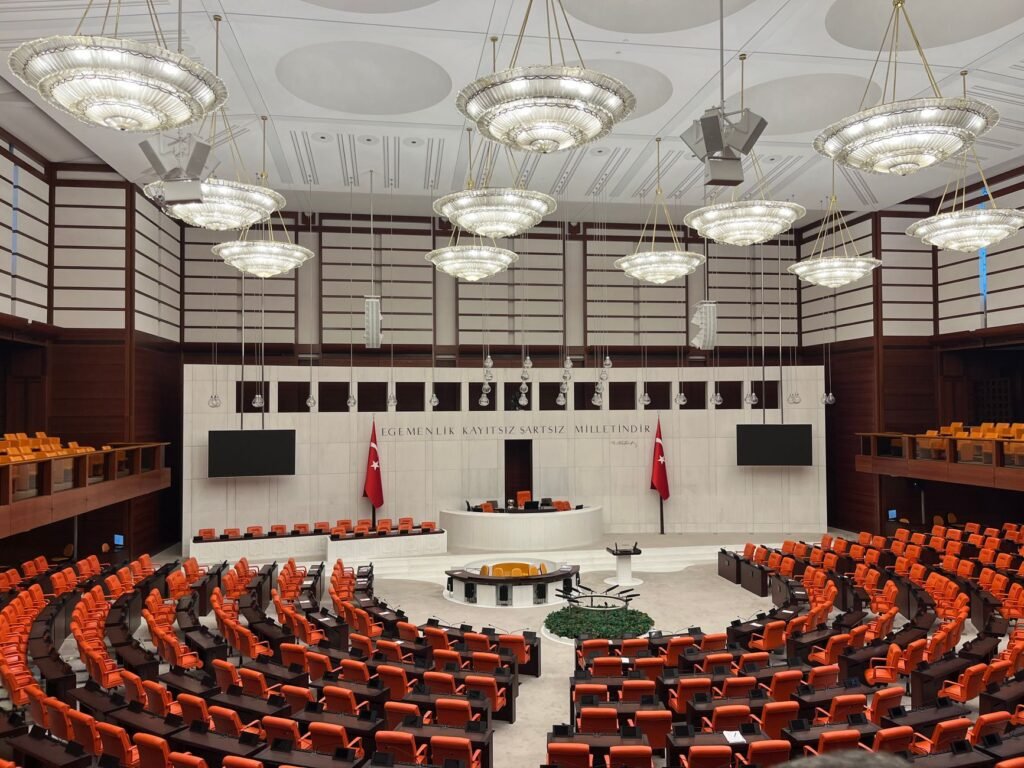
Ankara, Turkey – The Turkish government has adopted a new law that signals a significant potential step towards ending a protracted conflict with the Kurdistan Workers’ Party (PKK), an organization designated as outlawed by the state. This legislative move is being viewed by observers as a crucial development in the ongoing efforts to de-escalate tensions and pursue a lasting peace framework after decades of armed struggle.
The specifics of the law, which was passed following extensive parliamentary debate, are expected to outline a more structured approach to potential negotiations or dialogue with representatives linked to the PKK. Information reaching Tahir Rihat suggests that the legislation aims to create a legal and procedural basis for engaging in discussions that could lead to a cessation of hostilities and a resolution to the long-standing dispute. This initiative represents a notable shift in Turkey’s long-standing policy towards the group, which has been engaged in an armed campaign against the Turkish state since the 1980s.
The PKK, which seeks greater autonomy for Kurds in Turkey, has been involved in a conflict that has claimed tens of thousands of lives and significantly impacted the socio-economic landscape of the region. Previous attempts at peace processes have been fragile and ultimately unsuccessful, often collapsing due to mutual distrust and escalating violence. The adoption of this new law, however, indicates a renewed commitment from the Turkish administration to explore diplomatic avenues, potentially marking a turning point in the country’s approach to internal security and Kurdish rights.
Analysts suggest that the new law may include provisions for addressing some of the core grievances that have fueled the conflict, although the exact details of these provisions remain under close scrutiny. The government’s rationale behind this legislative push is reportedly rooted in a desire to achieve a stable and peaceful resolution that would allow for greater national unity and economic development. The success of this initiative will likely depend on the willingness of all parties involved to engage in good-faith negotiations and to make necessary concessions.
The international community has historically followed the developments in the Turkish-Kurdish conflict with concern, and this latest legislative action by Turkey is expected to be met with cautious optimism. Many nations have advocated for a political solution to the conflict, recognizing the human cost and the destabilizing effect it has had on the wider region. The Turkish government’s move could pave the way for renewed international engagement and support for a peace process, provided that tangible progress is made on the ground.
The passage of the law is also seen as a domestic political maneuver, potentially aimed at consolidating support for the ruling party by demonstrating a proactive approach to a deeply entrenched national issue. However, the practical implications and the actual implementation of the law will be closely watched. The PKK has yet to issue a formal statement regarding the new legislation, and their response will be a critical factor in determining the future trajectory of the peace process. The group’s leadership has historically been wary of government overtures, often demanding concrete guarantees and a significant shift in state policy before engaging in any meaningful dialogue.
The legislative framework is anticipated to address various aspects of the conflict, potentially including mechanisms for disarmament, reintegration of former combatants, and discussions on political and cultural rights for the Kurdish population. The Turkish state has in the past faced criticism for its handling of Kurdish issues, and this new law could be an attempt to address some of these concerns, albeit within the confines of national sovereignty and security. The government’s stated objective is to ensure the territorial integrity of Turkey while also seeking a peaceful coexistence for all its citizens.
The coming weeks and months will be crucial in assessing the true impact of this new law. Whether it serves as a genuine catalyst for peace or becomes another chapter in a long history of failed attempts will depend on a complex interplay of political will, diplomatic maneuvering, and the willingness of all stakeholders to move beyond decades of animosity. The Turkish government’s commitment to transparency and inclusivity in the implementation of this law will be paramount in building the necessary trust for any peace process to succeed.


Tahir Rihat (also known as Tahir Bilal) is an independent journalist, activist, and digital media professional from the Chenab Valley of Jammu and Kashmir, India. He is best known for his work as the Online Editor at The Chenab Times.