


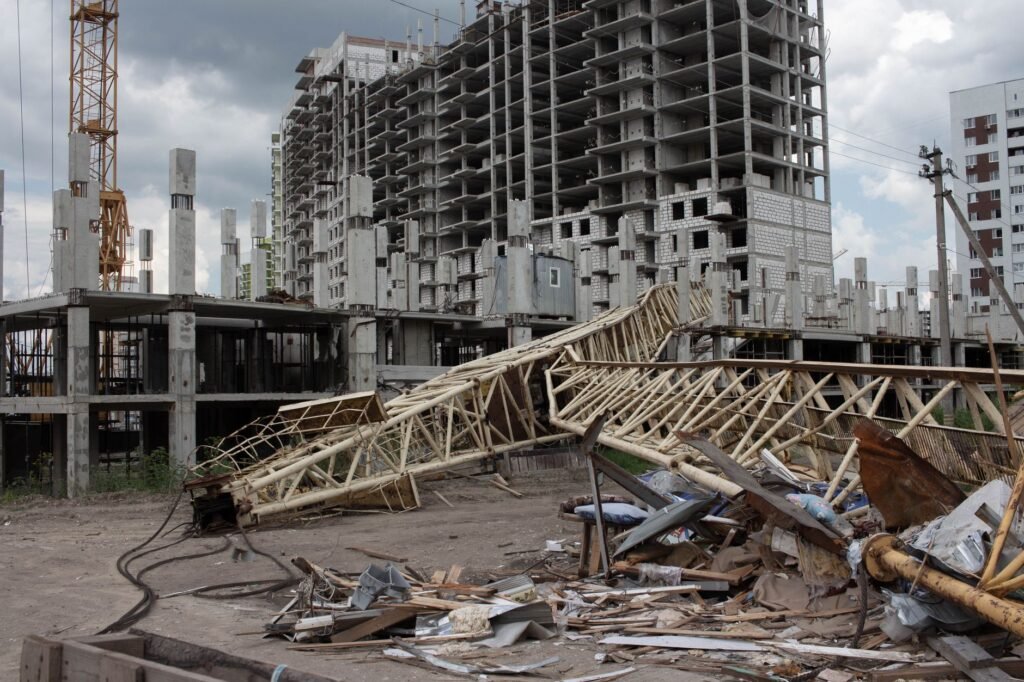
Two construction workers have lost their lives in separate fatal incidents that occurred on Tuesday in the Union Territory of Jammu and Kashmir. One labourer was killed when a concrete bridge pier collapsed in Samba district, while another succumbed to injuries sustained after falling from an under-construction bridge in Jammu. Officials confirmed the separate accidents, highlighting the inherent risks faced by workers in the region’s ongoing infrastructure development projects.
The first incident took place around 10 am in the Jakh Morh area of Vijaypur, Samba district. A pier of a bridge currently under construction gave way while workers were engaged in laying the concrete structure. The collapse tragically crushed 25-year-old Gotam Sahu, a labourer hailing from Bihar, who was working at the site. Information reaching Tahir Rihat suggests that another labourer present at the scene sustained head injuries during the collapse and was promptly transported to a local hospital for medical attention. Authorities have initiated an investigation into the circumstances that led to the structural failure, with police taking cognizance of the matter and commencing proceedings to determine the cause of the accident.
In a distinct incident that unfolded in Jammu city later the same afternoon, a labourer identified as Budhi Singh, aged 45 and a resident of Ramban, suffered critical injuries. Singh fell from a significant height while working on the Tawi bridge in the Sidhra area. Emergency services were immediately alerted, and Singh was rushed to the Government Medical College (GMC) hospital. However, medical personnel at the hospital declared him brought dead upon arrival, confirming the severity of his fall. The Jammu and Kashmir administration has expressed condolences to the families of the deceased and has pledged to ensure thorough investigations into both incidents to prevent future occurrences.
The twin fatalities underscore the critical safety concerns within the construction sector, particularly for migrant labourers who often form the backbone of large-scale infrastructure projects across India. While the specific reasons for the Samba bridge pier collapse are yet to be officially determined, preliminary assessments may focus on factors such as structural integrity, adherence to safety protocols, and the quality of materials used. The fall from the Tawi bridge in Jammu, while seemingly a direct accident, will also likely prompt a review of safety measures and supervision protocols at such high-risk work sites. The economic contributions of these labourers are immense, yet their safety often remains a paramount challenge, demanding stringent oversight and enforcement of labour laws and safety standards by both employers and regulatory bodies. The ongoing development initiatives in Jammu and Kashmir, while crucial for economic progress, must be balanced with an unwavering commitment to the well-being and security of the workforce involved.
The incidents have reignited discussions about the implementation and enforcement of occupational safety and health regulations in the construction industry. Experts in labour rights and workplace safety have often pointed out that a lack of adequate training, insufficient safety equipment, and pressure to meet deadlines can contribute to accidents. In many cases, migrant workers, like the deceased in these incidents, may be more vulnerable due to language barriers, lack of familiarity with local regulations, and precarious employment conditions. The authorities in Jammu and Kashmir are expected to provide detailed reports on the investigations, which could lead to revised safety guidelines or stricter penalties for non-compliance. The families of the victims will likely seek compensation and justice, further highlighting the need for robust legal frameworks that protect the rights and safety of all workers, irrespective of their origin or employment status. The long-term implications of these tragedies may involve increased scrutiny of construction projects, a push for better safety training programs, and a greater emphasis on the welfare of the labour force contributing to the region’s development.


Tahir Rihat (also known as Tahir Bilal) is an independent journalist, activist, and digital media professional from the Chenab Valley of Jammu and Kashmir, India. He is best known for his work as the Online Editor at The Chenab Times.