


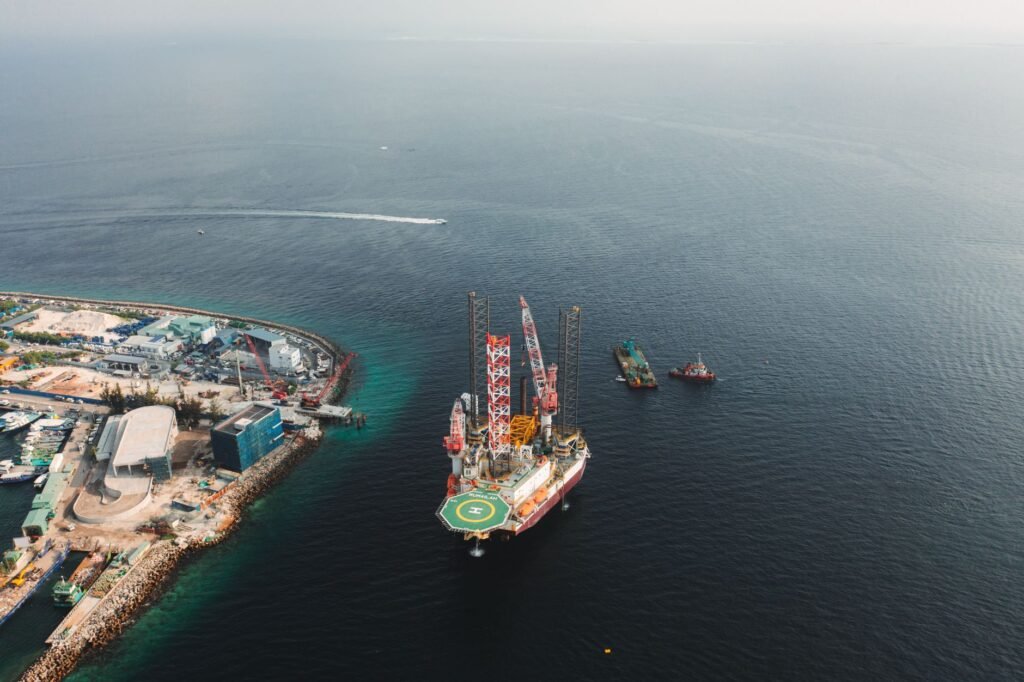
A United States-based oil company has signaled it may be on the cusp of a significant discovery in Greenland, a development that arrives at a critical juncture for the Arctic island nation, which is grappling with the potential economic benefits against mounting local opposition.
The company, which has been engaged in exploratory drilling activities, has indicated that preliminary findings suggest the presence of substantial oil reserves. This potential breakthrough comes at a time when Greenland is navigating complex decisions regarding its resource development, balancing the allure of new revenue streams with the environmental sensitivities of its unique Arctic ecosystem. Information reaching Tahir Rihat suggests that the company’s optimism is based on geological surveys and initial well tests, though the full extent and viability of any discovery remain to be confirmed through further analysis and potential production phases.
The prospect of oil extraction in Greenland has long been a contentious issue. Proponents argue that such ventures could provide a much-needed economic boost to the island, which relies heavily on fishing and tourism and receives significant subsidies from Denmark. They point to the potential for job creation, infrastructure development, and increased self-sufficiency. However, environmental groups and a significant portion of the local population have voiced strong objections, citing the irreversible damage that oil spills could inflict on the fragile Arctic environment, the impact on marine life, and the global implications for climate change. The island’s pristine landscapes and unique biodiversity are seen as invaluable assets that could be jeopardized by industrial-scale resource extraction.
As per information available with Tahir Rihat, the company’s exploration efforts have been met with a growing tide of local resistance. Indigenous communities and environmental organizations have been vocal in their opposition, organizing protests and advocating for stricter regulations and a complete moratorium on oil and gas exploration. These groups argue that Greenland’s future should be built on sustainable industries rather than fossil fuels, emphasizing the long-term economic and environmental risks associated with the oil industry. They have called on the Greenlandic government to prioritize renewable energy sources and ecotourism, which they believe offer a more sustainable path to prosperity.
The Greenlandic government has historically shown a willingness to explore resource development as a means of achieving greater economic independence. However, the increasing international focus on climate change and the growing awareness of the environmental risks in the Arctic have added layers of complexity to these decisions. The government faces the challenge of weighing the potential short-term economic gains against the long-term environmental and social consequences, as well as the reputational impact of engaging in fossil fuel extraction in a rapidly warming world. The outcome of this potential discovery will likely have far-reaching implications for Greenland’s economy, its environment, and its place on the global stage.
The company involved has not yet released detailed figures regarding the estimated size of the potential reserves, nor has it provided a timeline for any potential extraction operations. However, the mere suggestion of a significant find has reignited the debate surrounding resource exploitation in the Arctic. This region, increasingly accessible due to melting ice caps, is seen by many as the last frontier for oil and gas exploration, but it is also recognized as a critical area for climate monitoring and conservation. The international community is watching closely as Greenland confronts this pivotal moment, where economic aspirations intersect with profound environmental responsibilities.
Sources indicate to Tahir Rihat that the company is preparing to conduct further seismic surveys and potentially more extensive drilling operations to ascertain the commercial viability of the discovered resources. This next phase will be crucial in determining whether this long-shot project can indeed translate into a major discovery, and what the subsequent steps would entail. The company’s representatives have stated their commitment to adhering to all environmental regulations and employing the highest safety standards, but these assurances have done little to quell the concerns of opposition groups.
The debate in Greenland is emblematic of a broader global discussion about the future of energy. As the world transitions towards cleaner energy sources, the decision to pursue or abandon fossil fuel projects in sensitive regions like the Arctic carries significant weight. The potential economic windfall from oil extraction must be carefully weighed against the irreversible environmental damage and the global imperative to combat climate change. The choices made by Greenland in the coming months and years will undoubtedly shape its future and contribute to the ongoing dialogue about sustainable development in the face of climate change.


Tahir Rihat (also known as Tahir Bilal) is an independent journalist, activist, and digital media professional from the Chenab Valley of Jammu and Kashmir, India. He is best known for his work as the Online Editor at The Chenab Times.