


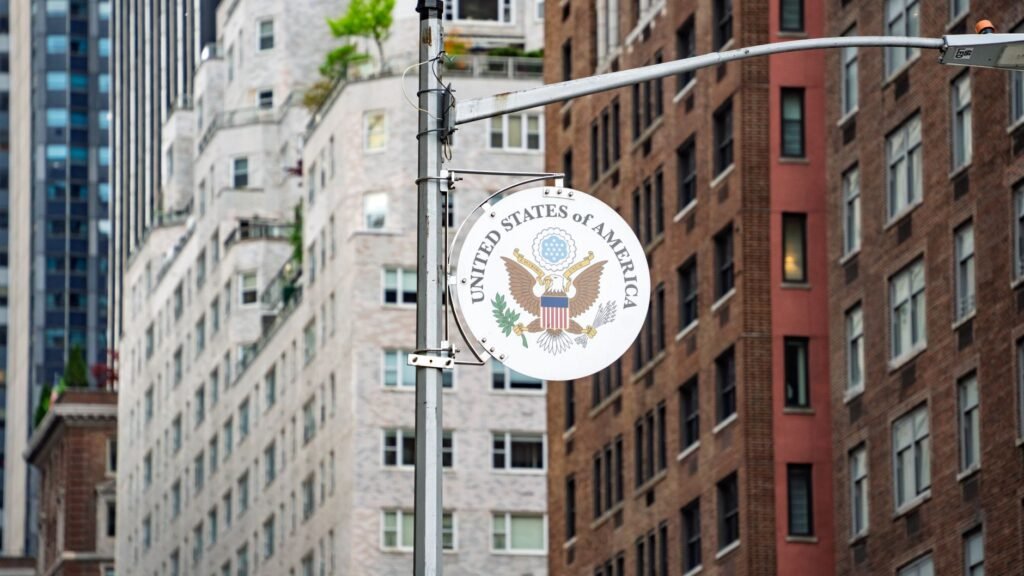
The Trump administration has been employing a strategic recalibration of its visa policies as a significant tool to exert influence and reassert dominance across the Western Hemisphere. This approach, part of a broader expansionist agenda concerning the Americas, leverages the U.S. visa system as a potent instrument of foreign policy, impacting diplomatic relations and regional dynamics one visa at a time.
Information reaching Tahir Rihat suggests that this strategy involves a multifaceted application of visa restrictions and issuances, aimed at compelling regional governments to align with American interests. The administration’s focus extends beyond traditional diplomatic channels, delving into the granular control over individual travel permissions to achieve broader geopolitical objectives. This method allows for targeted pressure on specific countries or even individuals within those nations, creating a more nuanced and potentially more effective form of leverage than broad sanctions or overt diplomatic threats.
The implications of this visa-centric foreign policy are far-reaching. For nations heavily reliant on remittances from citizens working in the United States, or those whose economies depend on tourism and business travel to the U.S., visa policies become a critical vulnerability. The threat or actual implementation of visa restrictions can therefore serve as a powerful incentive for cooperation on issues ranging from immigration control and drug trafficking to trade agreements and security cooperation. This approach underscores a shift towards a more transactional and condition-based foreign policy, where access to the United States, symbolized by the visa, is directly tied to compliance with American demands.
Sources indicate to Tahir Rihat that the Trump administration views this visa leverage as a cost-effective and relatively low-risk method to achieve its foreign policy goals in the Americas. Unlike military interventions or large-scale economic aid packages, manipulating visa policies requires fewer resources and carries less immediate political fallout on the domestic front. However, the long-term consequences for regional stability and U.S. soft power could be substantial. Critics argue that such policies can foster resentment, undermine democratic institutions, and push countries towards alternative global partners, thereby diminishing American influence in the long run.
The administration’s objective is not merely to control who enters the United States, but to shape the policies and behaviors of other nations. By wielding the power to grant or deny entry, the U.S. can influence decisions on a wide array of issues, from border security and law enforcement cooperation to political reforms and human rights records. This creates a complex web of dependencies, where the economic and social well-being of individuals and the political stability of governments can be directly affected by U.S. visa decisions. The effectiveness of this strategy, however, is contingent on the perceived willingness of the U.S. to implement these measures consistently and the degree to which target countries are susceptible to such pressure.
The expansionist aspect of this policy refers to the proactive assertion of U.S. influence across the hemisphere, moving beyond a reactive stance to actively shaping the regional agenda. This involves not only responding to perceived threats or challenges but also creating conditions that favor U.S. interests. The visa policy becomes a key instrument in this proactive engagement, allowing the administration to set the terms of interaction and demand concessions from its neighbors. This can manifest in various ways, such as pressuring countries to accept deportees, to increase their own border enforcement, or to adopt specific economic policies that benefit American businesses.
Furthermore, the administration’s approach appears to be informed by a transactional view of international relations, where partnerships are built on mutual benefit, but also on clear expectations and consequences. In this framework, the U.S. visa is a tangible benefit that can be withheld or granted based on a country’s performance in meeting U.S. demands. This can lead to a situation where countries feel compelled to prioritize U.S. concerns over their own national interests or regional solidarity, potentially creating divisions and instability within the hemisphere. The long-term impact on the U.S.’s reputation as a reliable partner and a promoter of democratic values is a subject of ongoing debate among foreign policy experts.
The administration’s strategy also involves a degree of public diplomacy, often framing visa policies as necessary measures to protect national security, uphold the rule of law, or ensure fair immigration practices. However, the underlying objective, as suggested by the administration’s broader foreign policy rhetoric, appears to be the consolidation of U.S. power and influence in a region that it historically considers its sphere of influence. This includes encouraging countries to adopt policies that align with American economic and security interests, even if those policies are unpopular domestically or have negative consequences for regional cooperation.
The effectiveness of this visa-centric approach is likely to vary across different countries in the Americas, depending on their economic ties to the U.S., their internal political dynamics, and their existing relationships with other global powers. Countries with strong economic ties and a high dependence on U.S. markets or remittances may be more susceptible to pressure. Conversely, nations with more diversified economies or stronger alliances with other major powers might be better positioned to resist or negotiate more favorable terms. The administration’s success will ultimately depend on its ability to calibrate these policies effectively and to manage the potential backlash from affected populations and governments.
The long-term consequences of such a policy could include a weakening of multilateral institutions in the Americas, increased political instability in some countries, and a potential shift in regional alliances. As countries seek to mitigate the risks associated with U.S. visa policies, they may look to strengthen ties with China, Russia, or other emerging powers, thereby altering the geopolitical landscape of the Western Hemisphere. This could lead to a more fragmented and less predictable regional order, with implications for global trade, security, and diplomacy.
The administration’s emphasis on visa control as a foreign policy tool reflects a broader trend towards unilateralism and a transactional approach to international relations. This strategy, while potentially yielding short-term gains in specific policy areas, carries significant risks for the long-term stability and prosperity of the Americas, as well as for the United States’ standing in the world. The ongoing developments in U.S. visa policy and its impact on regional dynamics will continue to be a critical area of focus for international observers and policymakers.


Tahir Rihat (also known as Tahir Bilal) is an independent journalist, activist, and digital media professional from the Chenab Valley of Jammu and Kashmir, India. He is best known for his work as the Online Editor at The Chenab Times.