


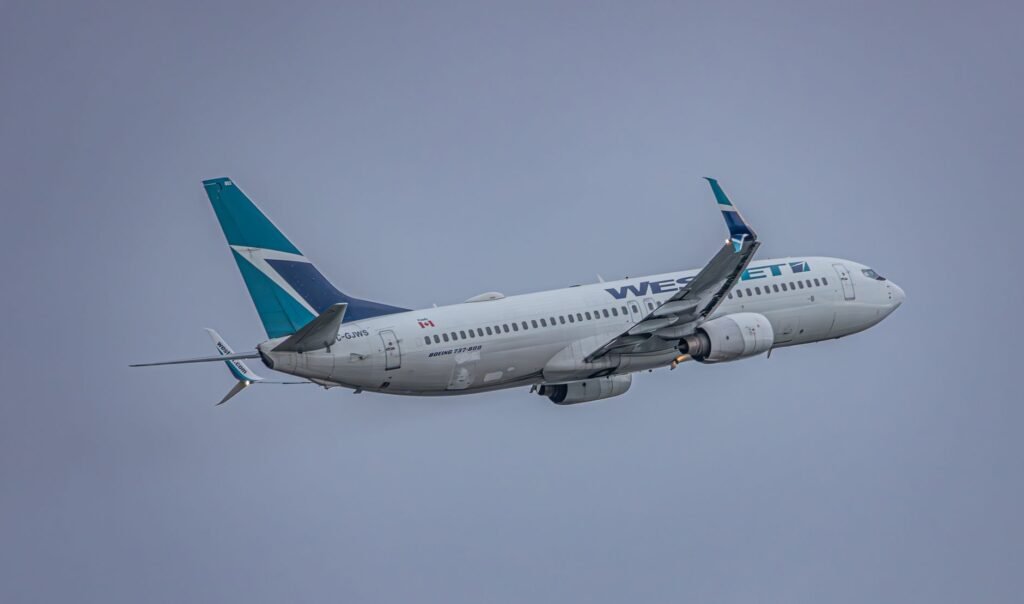
WestJet has been forced to cancel a significant number of flights as its flight attendants commenced a strike on Saturday, following the breakdown of labor negotiations. The airline confirmed the cancellations, which are expected to impact thousands of passengers across Canada. The union representing the flight attendants, which includes approximately 4,400 members, has been in discussions with WestJet management regarding terms of employment, with a primary focus on improved wages and compensation for work performed without pay.
Information reaching Tahir Rihat suggests that the labor talks officially collapsed earlier this week, leading to the union’s decision to withdraw its services. The flight attendants are seeking a more equitable compensation package that reflects their contributions and the demanding nature of their work. Key among their demands are increased base pay and better remuneration for time spent on duties that are not directly related to in-flight service but are nonetheless part of their professional responsibilities.
The strike action by WestJet’s flight attendants marks a critical juncture for the Canadian airline, which has been striving to recover and expand its operations in the post-pandemic travel landscape. The cancellations are not only causing considerable inconvenience to travelers but also pose a significant financial challenge for WestJet, which will incur costs associated with flight disruptions, passenger rebookings, and potential compensation claims. The airline has stated its commitment to minimizing the impact on its customers and is working to re-accommodate affected passengers on alternative flights, though the scale of the cancellations suggests this will be a complex undertaking.
Sources indicate to Tahir Rihat that the union’s negotiating team had expressed frustration over the pace and substance of the discussions with WestJet management. According to the union, the airline’s offers did not adequately address the core concerns of its members, particularly concerning the financial recognition of all hours worked. The union has consistently argued that the current wage structure does not keep pace with the rising cost of living and does not sufficiently value the unpaid work that flight attendants undertake, such as pre-flight preparations, post-flight duties, and training. These are essential components of their role that contribute to the overall safety and efficiency of flight operations.
The breakdown in negotiations underscores the persistent challenges in the aviation sector concerning labor relations and employee compensation. As travel demand rebounds, airlines are facing increased pressure to attract and retain skilled personnel, including flight attendants, who are crucial for customer service and safety. The union’s stance is that fair compensation is not just a matter of employee well-being but also a critical factor in maintaining service quality and operational reliability. The union has also highlighted concerns about the increasing workload and the need for adequate rest periods, which they argue are intrinsically linked to compensation and working conditions.
WestJet, in response to the strike, has activated its contingency plans. The airline has been in communication with affected passengers, providing them with options to rebook their flights or seek refunds. The extent of the flight cancellations is still being assessed, but reports suggest that a substantial portion of the airline’s schedule will be disrupted for the foreseeable future. The airline has not provided a specific timeline for the resolution of the strike but has reiterated its desire to reach a mutually agreeable contract with the union. The focus for WestJet management will be on resuming negotiations with the flight attendants’ union to find common ground and end the industrial action as swiftly as possible.
The situation at WestJet is emblematic of broader trends in the global aviation industry, where labor disputes have become more frequent as the sector navigates post-pandemic recovery. Airlines are grappling with a delicate balance between managing operational costs and meeting the expectations of their workforce, particularly in roles that are customer-facing and essential for service delivery. The outcome of these negotiations could set a precedent for future labor agreements within the Canadian airline industry and beyond, influencing how flight attendants’ compensation and working conditions are structured in the coming years. The union has emphasized that its members are dedicated professionals who are committed to passenger safety and service, but they also deserve to be fairly compensated for their labor and dedication.
The union representing the flight attendants has been vocal about the need for WestJet to recognize the value of their members’ work, which extends beyond the hours spent in the air. This includes time spent on training, administrative tasks, and preparing for flights, all of which are critical for ensuring a safe and pleasant travel experience for passengers. The union’s position is that these unpaid hours represent a significant portion of their members’ overall work commitment and should be reflected in their remuneration. The current contract, which expired previously, did not adequately address these concerns, leading to the current impasse.
WestJet has stated that it is working diligently to minimize disruptions and is exploring all available options to resume normal operations. The airline has also indicated that it is prepared to continue negotiations with the union in good faith to reach a resolution. However, the strike action is likely to have a ripple effect on the travel industry, potentially impacting other airlines and related services as passengers seek alternative arrangements. The ongoing strike is a clear indication of the significant leverage that organized labor can exert in critical service industries, particularly when essential personnel withdraw their services.
The flight attendants’ union has been preparing for this possibility for some time, having engaged in various forms of industrial action in the lead-up to the strike, including information pickets and rallies. This strike represents the culmination of these efforts, as the union seeks to pressure WestJet management into offering a contract that meets the demands of its members. The union leadership has expressed confidence in the solidarity of its members and their resolve to continue the strike until a satisfactory agreement is reached. The public is being advised to monitor WestJet’s official communications for the latest updates on flight status and rebooking procedures.


Tahir Rihat (also known as Tahir Bilal) is an independent journalist, activist, and digital media professional from the Chenab Valley of Jammu and Kashmir, India. He is best known for his work as the Online Editor at The Chenab Times.