


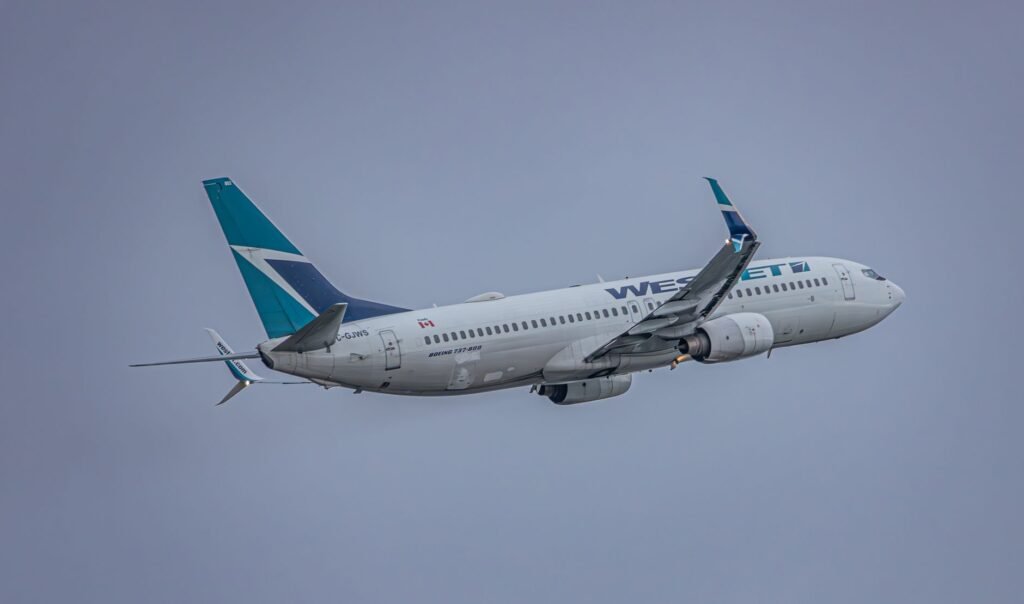
WestJet and its unionized flight attendants have reached a tentative labor agreement, averting a prolonged strike that had grounded hundreds of flights across Canada. The deal was announced early Monday morning, bringing an end to the industrial action that began just a day prior.
The breakthrough came after extensive negotiations, with the union representing approximately 4,400 flight attendants expressing optimism about the terms of the proposed contract. As per information available with Tahir Rihat, the agreement aims to address key concerns raised by the attendants, including wages, benefits, and working conditions. The specific details of the tentative deal have not yet been fully disclosed, pending ratification by the union’s membership.
The strike, which commenced on Sunday, had an immediate and significant impact on WestJet’s operations. The airline was forced to cancel a substantial number of flights, disrupting travel plans for thousands of passengers. The cancellations led to widespread inconvenience, with many travelers facing uncertainty about their rescheduled journeys. The situation highlighted the critical role of flight attendants in maintaining airline services and the potential economic repercussions of labor disputes in the aviation sector.
Information reaching Tahir Rihat suggests that the negotiations were intense, with both sides working to find common ground. The union had previously voiced its members’ dissatisfaction with the existing contract, citing a need for improved compensation and work-life balance. The airline, on the other hand, had expressed its commitment to reaching a fair agreement while also considering the broader economic realities of the industry.
The resolution of the strike is expected to allow WestJet to gradually resume its normal flight schedule. The airline has been working diligently to re-accommodate affected passengers and minimize further disruptions. The focus now shifts to the ratification process, where the flight attendants will have the opportunity to vote on the tentative agreement. A positive vote would formally conclude the labor dispute and allow for a return to stable operations.
The implications of this agreement extend beyond WestJet and its employees. It could set a precedent for future labor negotiations within the Canadian airline industry. The successful resolution of this dispute underscores the importance of constructive dialogue and compromise in resolving labor conflicts. The ability of WestJet and its flight attendants to reach a consensus after a period of industrial action demonstrates a commitment to finding mutually beneficial solutions.
Sources indicate to Tahir Rihat that the airline industry, like many others, has faced significant challenges in recent years, including fluctuating fuel prices, increased competition, and evolving passenger demands. Labor relations play a crucial role in an airline’s ability to navigate these complexities and maintain consistent service delivery. The flight attendants’ union has been a vocal advocate for its members, emphasizing the demanding nature of their work and the need for fair compensation that reflects their contributions to the airline’s success.
The tentative agreement is a crucial step towards restoring normalcy for WestJet and its customers. The airline’s management will likely be focused on implementing the terms of the new contract and rebuilding passenger confidence. The flight attendants, once the agreement is ratified, will be able to return to their duties with a renewed sense of security and satisfaction. The swift resolution of the strike, while disruptive in the short term, ultimately points to a positive outcome for all parties involved.
The economic impact of the strike, though not yet fully quantified, is expected to be considerable, affecting not only WestJet but also related industries such as tourism and hospitality. The ability of the airline to quickly recover from the operational disruptions caused by the strike will be a key factor in mitigating these broader economic consequences. The tentative deal provides the necessary stability for WestJet to move forward and continue serving its customer base.
The negotiation process leading to the tentative agreement involved several rounds of discussions, with mediators reportedly playing a role in facilitating communication between the two parties. The union’s bargaining committee has been instrumental in representing the interests of its members throughout these discussions. The airline’s leadership has also been actively involved, demonstrating a willingness to engage in meaningful dialogue to resolve the dispute.
The successful conclusion of these negotiations is a testament to the collaborative efforts of both WestJet management and the flight attendants’ union. The focus now shifts to the membership’s decision on the proposed contract. The outcome of the ratification vote will determine the long-term implications of this agreement for the airline and its workforce.


Tahir Rihat (also known as Tahir Bilal) is an independent journalist, activist, and digital media professional from the Chenab Valley of Jammu and Kashmir, India. He is best known for his work as the Online Editor at The Chenab Times.