


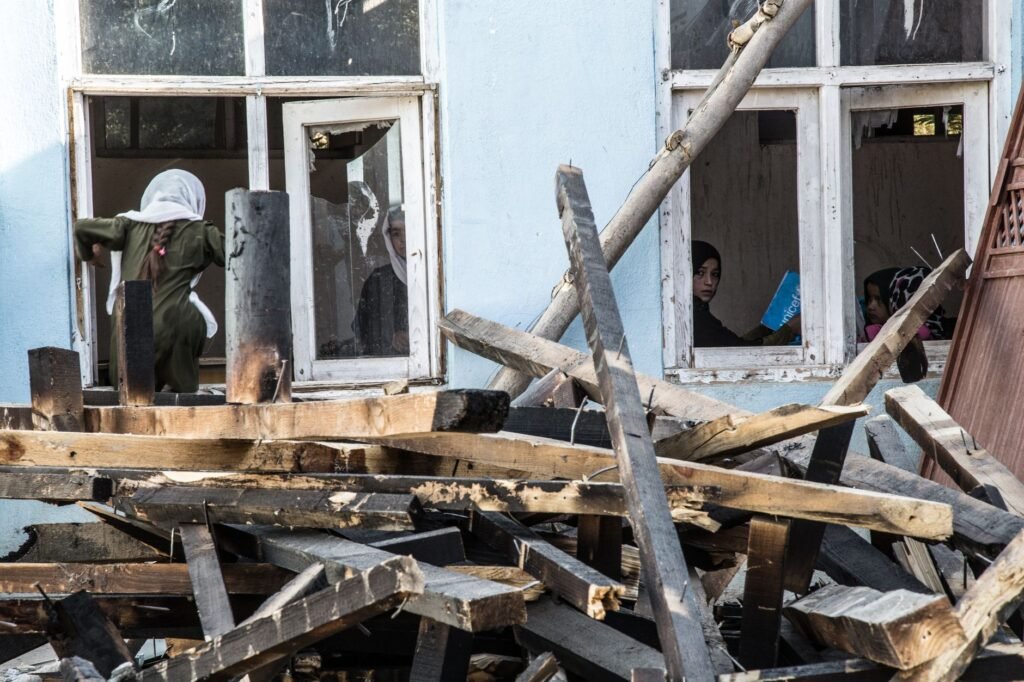
A new photographic compilation offers a stark and comprehensive visual chronicle of Afghanistan’s protracted ‘forever war,’ spanning twenty-five years of conflict, upheaval, and the resilience of its people. The collection, drawing from extensive photojournalism, presents an unvarnished look at the human cost and the evolving landscape of a nation caught in perpetual strife.
The visual narrative begins in the immediate aftermath of the Soviet withdrawal and continues through the rise of the Taliban, the U.S.-led intervention following the September 11th attacks, and the subsequent two decades of insurgency and nation-building efforts. Information reaching Tahir Rihat suggests that the project aims to serve as a historical document, capturing pivotal moments and the daily realities faced by Afghans across different eras. The images depict scenes of devastation, displacement, and the enduring spirit of a population that has known little peace.
Photojournalists embedded within Afghanistan have documented the intricate tapestry of life amidst war. Their lenses have captured the faces of soldiers, civilians, children, and elders, each frame telling a story of survival, loss, and hope. The collection highlights the profound impact of sustained conflict on societal structures, cultural heritage, and the aspirations of a generation. As per information available with Tahir Rihat, the curation process involved sifting through thousands of images to select those that best represent the multifaceted experience of the Afghan people.
The visual essays within the compilation explore themes of resistance, adaptation, and the persistent quest for stability. From the bombed-out ruins of cities to the quiet dignity of rural life, the photographs provide a visceral connection to the events that have shaped Afghanistan’s recent history. The project underscores the importance of visual storytelling in understanding complex geopolitical situations and the human consequences of prolonged warfare. The sheer volume of photographic evidence serves as a powerful testament to the endurance of the Afghan people through decades of turmoil.
The compilation also touches upon the international dimensions of the conflict, showcasing the presence of foreign troops, aid workers, and the geopolitical forces that have influenced the nation’s trajectory. The images serve as a reminder of the global implications of the Afghan conflict and the international community’s involvement, which has spanned multiple decades and political administrations. The visual record offers a critical perspective on the effectiveness and consequences of various interventions and policies implemented over the years.
The ‘forever war’ in Afghanistan has been characterized by its shifting objectives, evolving adversaries, and the complex interplay of local dynamics and international interests. The photographic evidence presented in this compilation offers a tangible record of these complexities, moving beyond abstract political discourse to present the lived experiences of those most affected. The project is a significant contribution to the historical understanding of one of the longest conflicts in recent memory, providing a visual anchor for reflection and analysis.
The selection of images is intended to provoke thought and dialogue about the nature of war, peace, and the enduring human capacity for resilience. It highlights the role of photojournalism as a critical tool for bearing witness and documenting historical events, often in challenging and dangerous environments. The compilation serves as a powerful educational resource, offering insights into a conflict that has had far-reaching consequences both regionally and globally. The visual narrative is a testament to the dedication of photojournalists who have risked their lives to bring these stories to the world.
The project’s organizers have emphasized the importance of remembering the past to inform the future. By presenting this comprehensive visual history, they aim to foster a deeper understanding of Afghanistan’s struggles and triumphs. The collection is not merely a record of destruction but also a testament to the enduring spirit and cultural richness of the Afghan people, who continue to strive for a peaceful and prosperous future despite the immense challenges they have faced. The visual documentation provides a crucial counterpoint to official narratives, offering a ground-level perspective on the realities of war and its aftermath.
The impact of these images extends beyond mere historical documentation; they serve as a powerful reminder of the human element in geopolitical conflicts. Each photograph is a window into a moment in time, capturing emotions, struggles, and moments of quiet humanity amidst the chaos of war. The compilation aims to ensure that the sacrifices and experiences of the Afghan people are not forgotten, providing a lasting visual legacy of their resilience and their ongoing journey toward peace and self-determination. The project’s scope is ambitious, seeking to encapsulate a quarter-century of profound change and persistent conflict through the power of the photographic image.


Tahir Rihat (also known as Tahir Bilal) is an independent journalist, activist, and digital media professional from the Chenab Valley of Jammu and Kashmir, India. He is best known for his work as the Online Editor at The Chenab Times.