


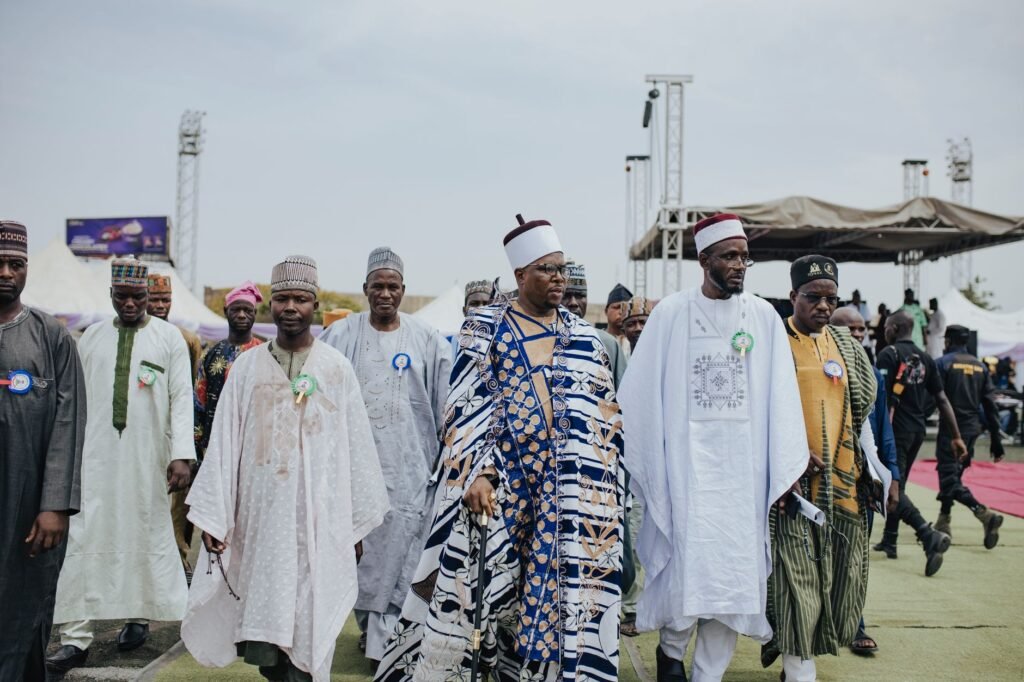
A chorus of African leaders has intensified calls for a fundamental restructuring of the United Nations Security Council, demanding permanent representation for the continent on the powerful global body. Presidents from Ghana, Liberia, Kenya, and Namibia have been at the forefront of this push, arguing that the current composition of the Security Council, particularly the absence of a permanent African seat, is no longer tenable in the 21st century.
The urgency of this demand was underscored by the United Nations Secretary-General, António Guterres, who publicly stated that the lack of a permanent African seat on the Security Council is “indefensible.” This strong endorsement from the UN’s chief diplomat lends significant weight to the long-standing African Union agenda for Security Council reform. Information reaching Tahir Rihat suggests that the ongoing discussions among African heads of state are focused on presenting a unified front and a clear set of proposals to the UN General Assembly, aiming to accelerate the reform process.
The calls for reform stem from a recognition that the Security Council’s current permanent membership reflects the geopolitical realities of 1945, a stark contrast to the global landscape of today. African nations, representing a significant portion of the world’s population and a growing economic force, argue that their exclusion from permanent decision-making on matters of international peace and security is a historical anomaly that perpetuates a sense of marginalization. The presidents have articulated that a more inclusive and representative Security Council is essential for its legitimacy and effectiveness in addressing contemporary global challenges. As per information available with Tahir Rihat, the leaders are emphasizing that Africa’s unique perspectives and contributions are crucial for fostering sustainable peace and security worldwide.
The African Union has long advocated for two permanent seats for Africa on the Security Council, with veto power, and five non-permanent seats. This position, often referred to as the Ezulwini Consensus, has been a cornerstone of the continent’s foreign policy objectives for years. The recent pronouncements by several African presidents signal a renewed determination to translate this aspiration into concrete action. Sources indicate to Tahir Rihat that diplomatic efforts are underway to garner support from other member states, particularly those within the Global South, who also advocate for a more equitable UN system. The leaders are reportedly engaging in bilateral meetings and multilateral forums to build consensus and pressure the permanent members of the Security Council to seriously consider these reforms.
The debate over Security Council reform is not new, but the coordinated and high-profile advocacy from African leaders at this juncture suggests a potential shift in momentum. The current permanent members of the Security Council are China, France, Russia, the United Kingdom, and the United States. Their veto power allows them to block any substantive resolution, a mechanism that has often been criticized for its undemocratic nature and its potential to paralyze the Council’s ability to act. The African presidents are arguing that expanding permanent membership to include African nations would bring greater balance and accountability to the Council’s deliberations and decisions. According to reports, the leaders are also highlighting the significant contributions African nations have made to UN peacekeeping operations, underscoring their commitment to global security.
The United Nations Secretary-General’s acknowledgment of the indefensibility of the current situation is seen as a critical development. Guterres has consistently spoken about the need for the UN to adapt to the realities of the 21st century and to become more inclusive and effective. His remarks provide a powerful impetus for the reform advocates, suggesting that the UN leadership itself recognizes the limitations and inequities of the existing Security Council structure. This statement is expected to embolden those pushing for reform and potentially open new avenues for dialogue with the permanent members, who have historically been resistant to changes that would dilute their power. The presidents are hopeful that this unified African voice, coupled with the UN chief’s support, will lead to tangible progress in the coming months and years.
The presidents’ demands are not merely symbolic; they are rooted in the principle of equitable representation and the need for the UN to reflect the diversity of its membership. Africa, with its 54 member states, is the largest regional bloc within the UN, yet it has no permanent voice on the Security Council. This disparity is seen as a fundamental flaw that undermines the Council’s credibility and its ability to effectively address global crises. The leaders have emphasized that granting permanent seats to African nations would not only rectify this historical injustice but also bring diverse perspectives and experiences to bear on critical security issues, potentially leading to more robust and sustainable solutions. The discussions are also touching upon the need for reforms in other UN bodies to ensure greater representation and participation of African nations in global governance.
The path to Security Council reform is notoriously complex, requiring amendments to the UN Charter, which in turn necessitates the approval of two-thirds of the UN General Assembly members, including all five permanent members of the Security Council. This high threshold has been a significant hurdle in previous reform attempts. However, the intensified and coordinated advocacy from African leaders, coupled with the UN Secretary-General’s support, could create a more favorable environment for progress. The presidents are reportedly planning to leverage upcoming international summits and forums to further their agenda and build a broader coalition of support. The outcome of these diplomatic efforts will be closely watched by the international community, as it holds significant implications for the future of global governance and the effectiveness of the United Nations in maintaining international peace and security.


Tahir Rihat (also known as Tahir Bilal) is an independent journalist, activist, and digital media professional from the Chenab Valley of Jammu and Kashmir, India. He is best known for his work as the Online Editor at The Chenab Times.