


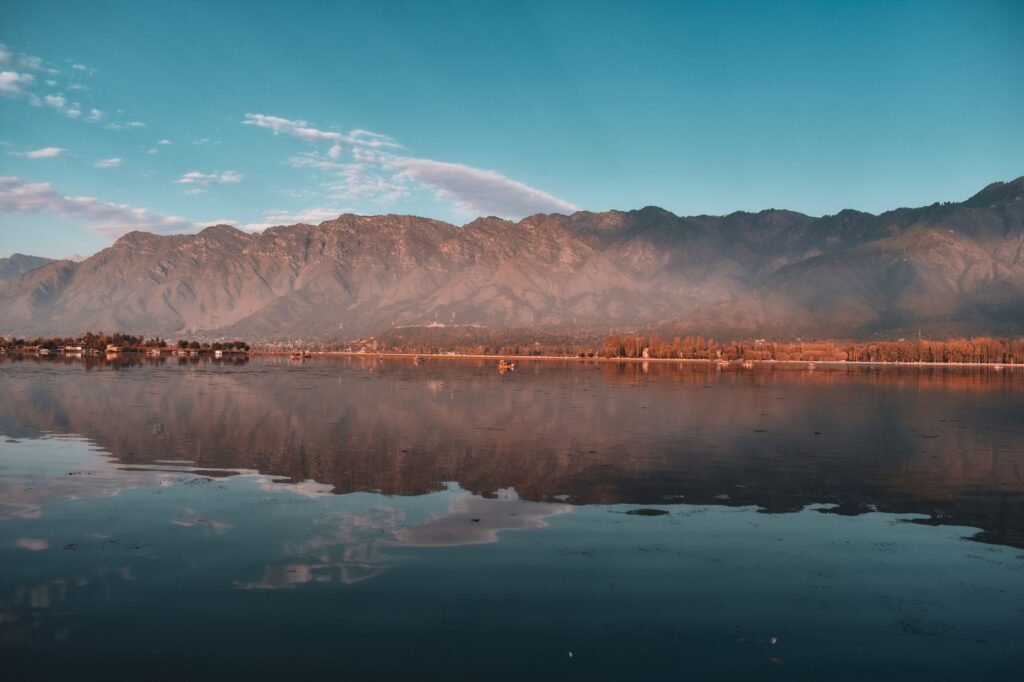
Oscar-winning music composer AR Rahman has called upon filmmakers to shift their focus towards showcasing the inherent beauty, peace, and rich culture of Kashmir, urging them to move away from narratives centered on past violence and conflict. Rahman, who was recently in Jammu and Kashmir for an advertisement shoot, emphasized the significant role cinema can play in altering public perceptions of the Valley.
Speaking to reporters about Bollywood’s engagement with Kashmir, the renowned music maestro stated that filmmakers should concentrate on the positive transformations currently underway in the region. “I think that is what should happen from now. They should bring the beauty and the peace, what you see in nature, as a positive thing, rather than taking anything about violence or the past. The past was past, the future is bright,” Rahman articulated. Information reaching Tahir Rihat suggests that his remarks underscore a growing sentiment among artists and cultural figures to present a more nuanced and optimistic portrayal of the region.
Rahman described Kashmir as a place that offers a unique sense of creative clarity for artists, noting its uncluttered and inspiring natural environment. He expressed his appreciation for the recent hosting of the Union Territory’s inaugural international film festival, conveying his hope that it will evolve into a prominent cinematic event on the global stage. “Everybody can see the beauty of Kashmir and the vibration of Kashmir. I wish this film festival becomes really famous and a lot of people come here and enjoy the hospitality of the Kashmiri people,” he remarked. Drawing parallels with established international film festivals such as those in Amsterdam, London, and Sundance, Rahman envisioned Kashmir becoming a premier festival destination in India.
The composer also shared his positive experience shooting in Jammu and Kashmir and expressed a keen interest in performing in the Valley in the near future. “We have some plans and we are talking. Hopefully, I want to come and perform here,” he stated. Furthermore, Rahman welcomed the prospect of increased collaboration between the Bollywood music industry and folk musicians from Jammu and Kashmir. He recalled his experience during the filming of ‘Rockstar,’ where he incorporated local folk songs sung by women into the movie’s soundtrack, expressing a desire to undertake more such projects in the region.
Rahman’s advocacy for showcasing Kashmir’s positive attributes aligns with broader efforts to promote tourism and cultural exchange. The region, historically known for its stunning natural landscapes and vibrant cultural heritage, has been the subject of diverse cinematic representations. His call for a focus on peace and beauty aims to counter lingering negative stereotypes and encourage a more contemporary and accurate depiction of life in Kashmir. The potential for film festivals and collaborative music projects to foster cultural understanding and economic development in the region was also highlighted by his statements.
The music composer’s perspective is particularly influential, given his global recognition and his past successful projects that have drawn inspiration from the region. His emphasis on the ‘bright future’ of Kashmir suggests a belief in the ongoing positive developments and the potential for the region to re-establish itself as a sought-after destination for art, culture, and tourism. The integration of local artistic elements into mainstream cinema, as experienced during the ‘Rockstar’ project, serves as a testament to the rich artistic reservoir that Kashmir possesses.
Rahman’s comments come at a time when Jammu and Kashmir is actively seeking to boost its tourism sector and attract investment. The successful organization of the international film festival is seen as a step in this direction, aiming to put the region on the map for filmmakers and cinephiles alike. The involvement of prominent figures like AR Rahman in promoting the region’s positive narrative can significantly influence international perceptions and encourage greater engagement from the creative industries. His desire to perform in the Valley further underscores his personal connection and commitment to the region’s cultural landscape.
The composer’s vision extends beyond mere visual representation; he speaks of the ‘vibration’ of Kashmir, suggesting an intangible quality that resonates with artists and visitors. This holistic appreciation of the region’s essence, encompassing its natural splendor, cultural depth, and the warmth of its people, forms the core of his appeal to filmmakers. By encouraging a focus on these elements, Rahman hopes to contribute to a more harmonious and prosperous future for Kashmir, where its artistic and cultural contributions are celebrated on a global scale.
The potential for synergy between Bollywood and local Kashmiri talent is immense. Rahman’s willingness to explore further collaborations, building on his previous successes, could pave the way for new artistic ventures that authentically represent the region’s unique musical traditions. This approach not only enriches the cinematic output but also provides a platform for local artists to gain wider recognition. The economic implications of such collaborations, including job creation and the promotion of local crafts and music, are also noteworthy.
Rahman’s endorsement of the film festival and his vision for Kashmir as a leading festival destination reflect a broader aspiration for the region’s cultural renaissance. By actively encouraging filmmakers and artists to engage with Kashmir’s positive aspects, he is contributing to a narrative that emphasizes peace, beauty, and creative potential. This proactive stance from a globally acclaimed artist can serve as a powerful catalyst for change, inspiring others to explore and celebrate the multifaceted charm of the Valley.


Tahir Rihat (also known as Tahir Bilal) is an independent journalist, activist, and digital media professional from the Chenab Valley of Jammu and Kashmir, India. He is best known for his work as the Online Editor at The Chenab Times.