


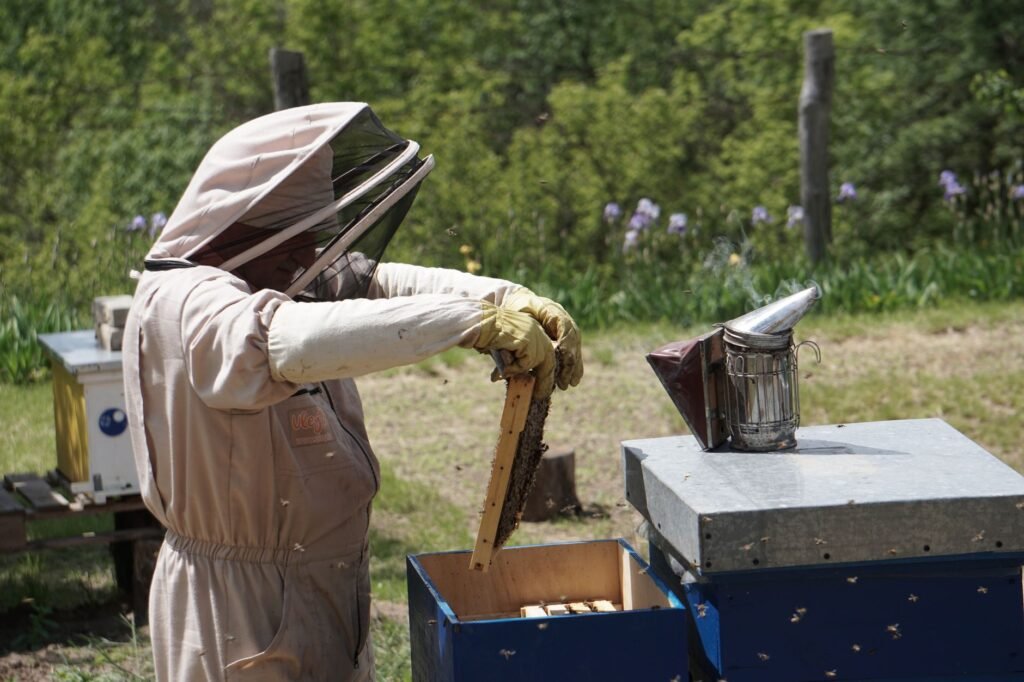
The Canadian honey industry, particularly in the province of Alberta, is grappling with a challenging year, facing a double blow from adverse weather conditions and the imposition of trade tariffs. Alberta, a significant contributor to Canada‘s honey production, accounting for approximately 40 percent of the national output, is experiencing a difficult season.
Information reaching Tahir Rihat suggests that the combination of excessive rainfall and the trade policies enacted by the Trump administration has created a precarious situation for beekeepers and honey producers across the region. The impact of these factors is threatening the stability and economic viability of the industry, which relies heavily on favorable environmental conditions and open market access.
The agricultural sector in Alberta has been particularly affected by unusual weather patterns this year. Unseasonably heavy rains have disrupted the natural foraging cycles of bees and impacted the availability of nectar-producing flora. This environmental stress on bee populations can lead to reduced honey yields and compromised hive health, issues that are foundational to the entire honey production process. Beekeepers are accustomed to managing various environmental challenges, but the extent of the rainfall has presented a significant hurdle, impacting the quantity and quality of the honey harvest.
Compounding the difficulties presented by the weather is the economic pressure exerted by trade tariffs. The United States, a major market for Canadian honey, has seen its import policies altered, leading to increased costs for Canadian producers looking to export their products. These tariffs, part of a broader trade dispute, directly affect the profitability of Canadian honey, making it less competitive in international markets. For producers in Alberta, who often rely on export sales to sustain their operations, this economic barrier is a substantial concern.
The interconnectedness of the agricultural economy means that challenges in one sector can have ripple effects. The honey industry supports not only the direct producers but also associated businesses involved in beekeeping equipment, processing, packaging, and distribution. A downturn in honey production and sales can therefore impact a wider network of stakeholders. The current situation raises concerns about the long-term sustainability of some beekeeping operations, particularly smaller farms that may have fewer resources to absorb economic shocks.
Industry representatives have expressed their concerns, highlighting the need for support and policy adjustments to mitigate the negative impacts. The dual pressure of environmental challenges and trade barriers creates a complex problem that requires multifaceted solutions. While beekeepers have a long history of adapting to changing conditions, the current confluence of factors presents an unprecedented level of difficulty. The resilience of the Canadian honey sector will be tested as it navigates these turbulent times, with implications for both domestic supply and international trade relationships.


Tahir Rihat (also known as Tahir Bilal) is an independent journalist, activist, and digital media professional from the Chenab Valley of Jammu and Kashmir, India. He is best known for his work as the Online Editor at The Chenab Times.