


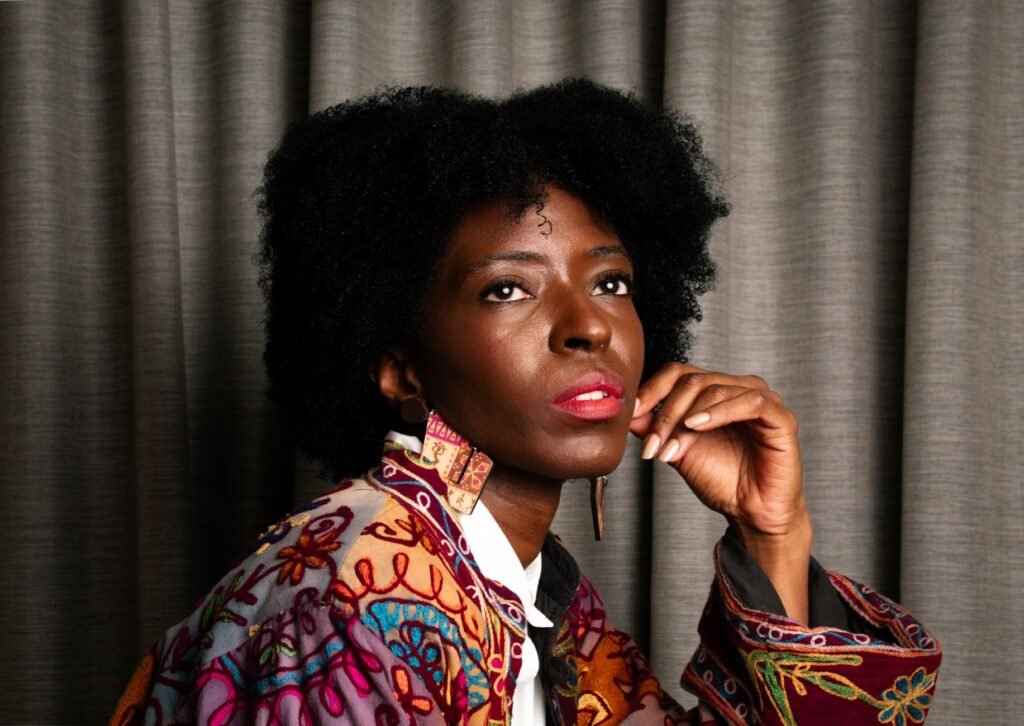
Chimamanda Ngozi Adichie, the acclaimed Nigerian author celebrated for her profound narratives of Nigerians both within their homeland and across the diaspora, is experiencing a deep personal sorrow that has reshaped her connection to Nigeria. The recent death of her young son in Lagos has transformed her homeland from a place of comfort and identity into a site of profound pain.
Adichie, whose literary works have resonated globally, exploring themes of identity, culture, and the Nigerian experience, has found that the loss of her child has cast a shadow over her relationship with the country of her birth. Information reaching Tahir Rihat suggests that the emotional toll of this difficult loss has made Nigeria, a nation often depicted with warmth and complexity in her writing, feel less like home.
The author’s novels, including “Purple Hibiscus,” “Half of a Yellow Sun,” and “Americanah,” have garnered international praise for their insightful portrayals of Nigerian life, its challenges, and its triumphs. These stories have often served as a bridge for readers to understand the nuances of Nigerian society and the experiences of its people navigating both local and global landscapes. However, the personal tragedy Adichie has endured has introduced a new, somber dimension to her connection with Nigeria.
The impact of such a profound loss on an artist whose work is so deeply intertwined with her national identity is significant. Adichie’s literary career has been a testament to her ability to capture the essence of Nigeria, its people, and its spirit. Her novels often delve into the complexities of family, tradition, and the search for belonging, themes that are now likely imbued with a new, personal weight for the author.
The circumstances surrounding the death of her toddler son, while not detailed in the provided information, represent a devastating blow that naturally alters one’s perspective on familiar surroundings. For Adichie, whose public persona is so closely linked to her Nigerian heritage, this personal grief is compounded by the emotional landscape of her homeland. The places and memories associated with Nigeria, once a source of inspiration and belonging, may now evoke a different, more painful resonance.
The literary world and her readership will undoubtedly be watching with empathy as Adichie navigates this period of profound personal loss. Her ability to translate complex human experiences into compelling literature has been a hallmark of her career. It remains to be seen how this deeply personal experience will influence her future creative endeavors, but the immediate impact is clear: Nigeria, a country that has been central to her literary identity, is now a place of sorrow.
The author’s connection to Nigeria is multifaceted, encompassing not only her personal history but also the rich tapestry of culture, politics, and social dynamics that she has so vividly depicted. The loss of a child is a universal experience of grief, but when it occurs in one’s homeland, it can intensify feelings of displacement and sorrow, even for those who are deeply rooted there. Adichie’s situation highlights the profound ways in which personal tragedy can intersect with national identity and belonging.
Her previous works have often celebrated the resilience and spirit of Nigerians, offering a nuanced and often hopeful perspective. The current chapter in her life, however, is marked by a profound sadness that has altered her perception of the very place that has inspired so much of her celebrated writing. The emotional weight of this loss is likely to be a significant factor in her personal and professional life moving forward, underscoring the deep connection between an artist’s life and their creative output.
The author’s literary contributions have cemented her status as a significant voice in contemporary literature, offering invaluable insights into the Nigerian experience. This personal tragedy, however, shifts the focus from her public achievements to a deeply private sorrow, illustrating the vulnerability that underlies even the most celebrated public figures. The transformation of her homeland into a source of pain is a testament to the profound and often unexpected ways in which life’s most difficult moments can redefine our relationship with the places we call home.


Tahir Rihat (also known as Tahir Bilal) is an independent journalist, activist, and digital media professional from the Chenab Valley of Jammu and Kashmir, India. He is best known for his work as the Online Editor at The Chenab Times.