


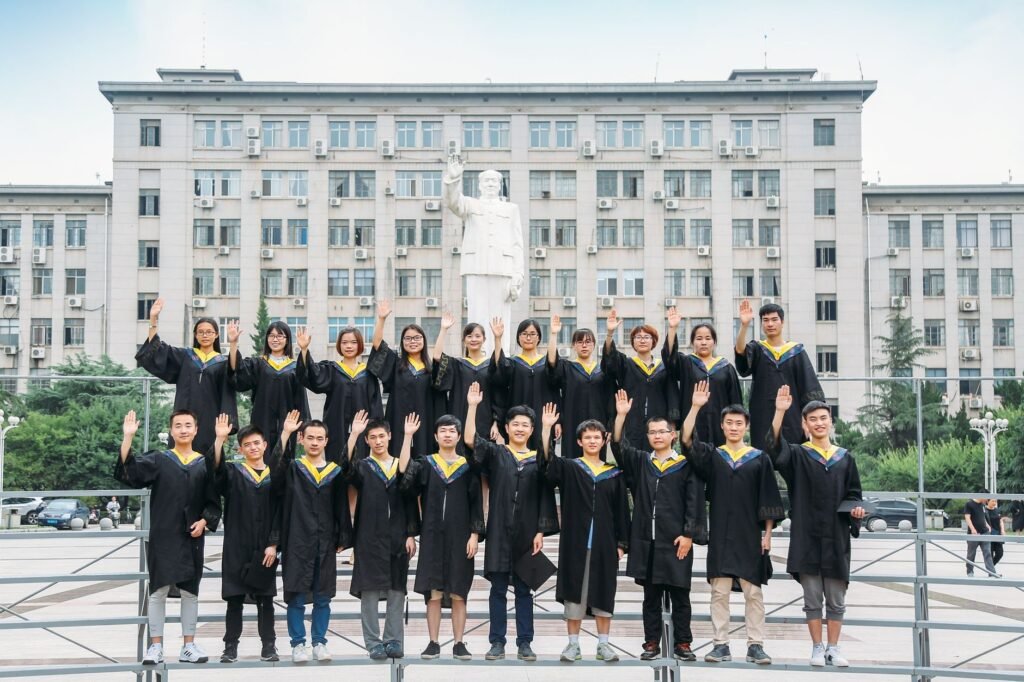
China is confronting a dual challenge as a record number of new graduates enter a difficult job market, coinciding with the accelerating integration of artificial intelligence into the nation’s workforce. This year, approximately 12.7 million young individuals are seeking employment, a figure that underscores the growing pressure on China‘s economy to absorb its burgeoning talent pool. The widespread adoption of AI technologies across various sectors is beginning to reshape the employment landscape, raising concerns about job displacement and the future of work for a generation entering the professional world.
Information reaching Tahir Rihat suggests that the confluence of these factors is creating an unprecedented scenario for recent university leavers. The sheer volume of graduates, combined with the transformative impact of AI, presents a complex set of hurdles that policymakers and businesses are now grappling with. The traditional pathways to employment may be altered significantly as companies increasingly leverage AI for tasks previously performed by human workers, from data analysis and customer service to manufacturing and logistics. This technological shift, while promising increased efficiency and innovation, simultaneously introduces a new layer of competition and uncertainty for those at the entry-level of their careers.
The implications of this trend extend beyond individual job prospects, potentially impacting China’s broader economic trajectory and social stability. A large cohort of unemployed or underemployed graduates could lead to increased social discontent and a slowdown in consumption, key drivers of economic growth. The government has been implementing various measures to stimulate job creation and support young entrepreneurs, but the scale of the challenge posed by AI integration is a relatively new and evolving concern. Experts are closely monitoring how effectively China can navigate this transition, ensuring that its technological advancements translate into inclusive economic opportunities rather than exacerbating existing inequalities.
The educational system itself is also under scrutiny, with discussions arising about whether curricula need to adapt more rapidly to equip students with the skills necessary for an AI-driven economy. This includes fostering critical thinking, creativity, and adaptability, alongside technical competencies in areas like data science and AI development. The demand for workers who can collaborate with AI systems, manage AI implementation, and develop new AI applications is expected to grow, while roles heavily reliant on routine tasks may see a decline. This necessitates a proactive approach from both educational institutions and employers to facilitate reskilling and upskilling initiatives.
Furthermore, the global economic climate adds another layer of complexity to China’s domestic job market challenges. Geopolitical tensions and shifts in global trade patterns can influence investment decisions and the overall health of export-oriented industries, which are significant employers in China. The interplay between these international dynamics and the internal pressures of a large graduate cohort and AI adoption creates a multifaceted environment for job seekers. The coming months and years will be crucial in determining how China’s economy adapts to these profound changes and whether it can successfully harness the benefits of AI while mitigating its potential downsides for its youth.
The narrative surrounding China’s economic development has long been one of rapid growth and industrial expansion. However, the current juncture marks a potential turning point, where the nature of work itself is being redefined by technological innovation. The sheer number of graduates entering the market this year, a record 12.7 million, amplifies the urgency of addressing these structural shifts. The government’s response, encompassing policy adjustments, educational reforms, and support for emerging industries, will be critical in shaping the future employment landscape for millions of young Chinese citizens. The successful integration of AI into the economy, while offering immense potential for progress, must be managed in a way that ensures broad-based prosperity and opportunity.
The challenges faced by China’s new graduates are indicative of a global trend where automation and artificial intelligence are poised to transform labor markets worldwide. However, the scale of China’s population and the size of its annual graduate intake make these domestic challenges particularly significant. The country’s ability to innovate and adapt its economic and social structures will be a key determinant of its continued success in the 21st century. The coming period will likely see increased focus on policies aimed at fostering a more resilient and adaptable workforce, capable of thriving in an era of rapid technological change. The dynamic between a large, educated workforce and the evolving demands of an AI-integrated economy is a central theme in China’s contemporary development story.


Tahir Rihat (also known as Tahir Bilal) is an independent journalist, activist, and digital media professional from the Chenab Valley of Jammu and Kashmir, India. He is best known for his work as the Online Editor at The Chenab Times.