


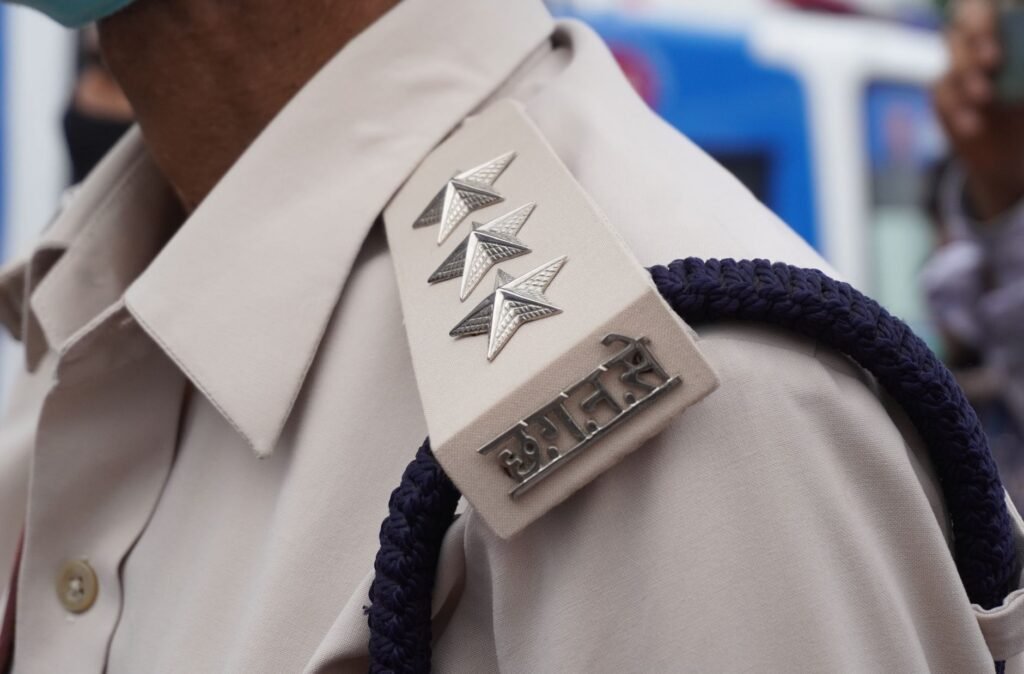
Four Central Industrial Security Force (CISF) personnel, including an Assistant Commandant, lost their lives in an alleged fratricide incident in the Kathua district of Jammu on Tuesday evening. The incident occurred around 7 p.m. in the higher reaches of the district, specifically at the SEWA-2 hydro-project located in the Basohli area.
Information reaching Tahir Rihat suggests that the accused, a head constable, reportedly engaged in a verbal confrontation with his colleagues before opening fire on them using his service rifle. The head constable has since been arrested by the Kathua police and taken into custody. Among the deceased were an Assistant Commandant, a Sub-Inspector, and two constables. Medical personnel at a local health facility declared the victims deceased shortly after they were brought in.
Official confirmation regarding the identities of the victims is still pending. The accused head constable is reported to be a 2009-batch officer. Both the local police and the CISF are conducting separate investigations into the incident to meticulously determine the precise cause and sequence of events that led to the tragic outcome. Preliminary findings from discussions with other personnel present at the site indicate that the accused allegedly initiated the firing in a fit of rage following a verbal argument with his colleagues.
The CISF is tasked with providing security to numerous hydropower projects across Jammu and Kashmir, underscoring the critical nature of the security infrastructure in the region. This incident raises significant questions about internal security protocols and the psychological well-being of personnel deployed in sensitive areas. The SEWA-2 hydro-project, a vital piece of infrastructure, has now become the scene of a deeply disturbing internal security breach.
The motive behind the alleged fratricide remains under intense scrutiny as investigators work to piece together the events. Sources indicate that the verbal altercation that preceded the shooting was the immediate trigger, but the underlying reasons for such extreme action are being thoroughly examined. The CISF, a specialized force responsible for guarding critical national infrastructure, is expected to review its operational procedures and personnel management in light of this grave incident. The involvement of multiple investigating agencies highlights the seriousness with which the authorities are treating the matter.
The geographical location of the incident, in the higher reaches of Kathua district, may also present logistical challenges for investigators. However, the swift apprehension of the accused head constable is a crucial step in the investigation. The focus now shifts to understanding the dynamics within the unit and any potential contributing factors that may have led to the escalation of conflict. The loss of four lives, including officers of varying ranks, represents a significant blow to the CISF and the broader security apparatus in Jammu and Kashmir.
The SEWA-2 hydro-project, like many such facilities in the Union Territory, is considered a sensitive installation. The presence of the CISF is intended to ensure the highest level of security, making this internal security lapse particularly concerning. The investigation will likely delve into the accused’s service record, personal history, and any reported grievances or conflicts he may have had with his colleagues or superiors. The outcome of these investigations will be crucial in preventing similar incidents in the future and reinforcing the integrity of security forces operating in the region.
The incident is expected to prompt a comprehensive review of mental health support systems and stress management programs for security personnel deployed in challenging environments. The psychological toll of prolonged deployment and the inherent risks associated with security duties are well-documented, and this event underscores the importance of robust welfare measures. The authorities are committed to ensuring that all aspects of the incident are thoroughly investigated, and appropriate action is taken to uphold accountability and prevent recurrence.


Tahir Rihat (also known as Tahir Bilal) is an independent journalist, activist, and digital media professional from the Chenab Valley of Jammu and Kashmir, India. He is best known for his work as the Online Editor at The Chenab Times.