


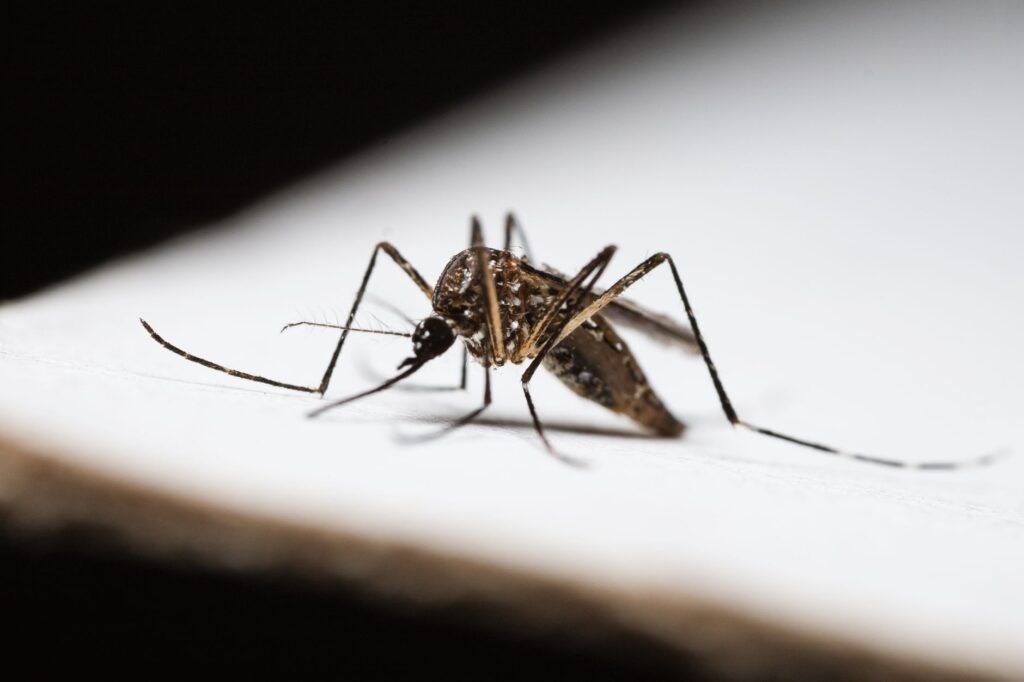
Doda district in Jammu and Kashmir is currently experiencing a significant surge in dengue cases, with 52 patients having been admitted to hospitals. In response to this escalating health concern, civic authorities have intensified their preventive measures, including anti-larval spraying, fogging operations, and public awareness campaigns. Officials confirmed on Monday that the heightened efforts are aimed at curbing the spread of the mosquito-borne disease.
As part of a special drive initiated to combat the outbreak, municipal teams from Doda and Bhaderwah have been conducting extensive door-to-door inspections across various localities over the past three days. The primary objective of these inspections is to identify and eliminate potential mosquito breeding sites within residential, religious, and commercial premises. Information reaching Tahir Rihat suggests that these proactive steps are crucial in disrupting the dengue transmission cycle.
The Government Medical College Hospital in Doda has reported the admission of 52 individuals suffering from dengue. Ravi Saini, the Executive Officer of both the Doda and Bhaderwah Municipal Committees, detailed the operational strategy. He stated that six dedicated teams, with three teams assigned to each municipality, have been deployed. These teams are actively engaged in fogging and anti-larval spraying in areas identified as vulnerable and those that have reported a higher incidence of dengue cases. This coordinated approach underscores the seriousness with which the health crisis is being addressed.
Saini further elaborated on the progress of the anti-dengue drive, reporting that as of Monday morning, nearly 239 mosquito breeding spots had been identified and subsequently destroyed. He emphasized that the operation is ongoing and will continue until the outbreak is brought under control. The authorities have also issued stern warnings to residents and commercial establishments found to be repeatedly harboring mosquito breeding sites. Penalties could be imposed if such sites are detected again, signaling a zero-tolerance policy towards negligence that contributes to public health risks.
Liaqat Ali Zargar, a Health Inspector with the National Vector Borne Diseases Control Programme (NVBDCP), provided further details on the severity of the situation. He confirmed that 52 individuals with severe dengue infections were admitted to GMC Doda within the last seven days. Zargar indicated that the total number of cases might see an increase as fresh data is compiled. This updated information will be available only after samples from approximately 90 individuals suspected of being infected undergo NS1 ELISA testing, a crucial diagnostic procedure for confirming dengue infection. The meticulous testing protocols highlight the commitment to accurate case reporting and management.
In light of the rising infections, health authorities have issued a comprehensive advisory urging citizens to adopt necessary preventive measures. The advisory specifically calls for heightened vigilance among senior citizens and individuals with pre-existing health conditions such as diabetes, hypertension, and respiratory illnesses. These vulnerable populations are advised to seek immediate medical attention if they develop dengue symptoms or if their condition deteriorates. The proactive dissemination of health advisories is a key component of public health preparedness, aiming to mitigate the impact of the outbreak on the community.
The intensified efforts by the Doda and Bhaderwah Municipal Committees, coupled with the advisory from health authorities, represent a multi-pronged strategy to combat the dengue outbreak. The focus remains on eliminating breeding sites, preventing further transmission, and ensuring that affected individuals receive timely medical care. The ongoing surveillance and control measures are expected to play a pivotal role in bringing the situation under control and safeguarding public health in the affected region.


Tahir Rihat (also known as Tahir Bilal) is an independent journalist, activist, and digital media professional from the Chenab Valley of Jammu and Kashmir, India. He is best known for his work as the Online Editor at The Chenab Times.