


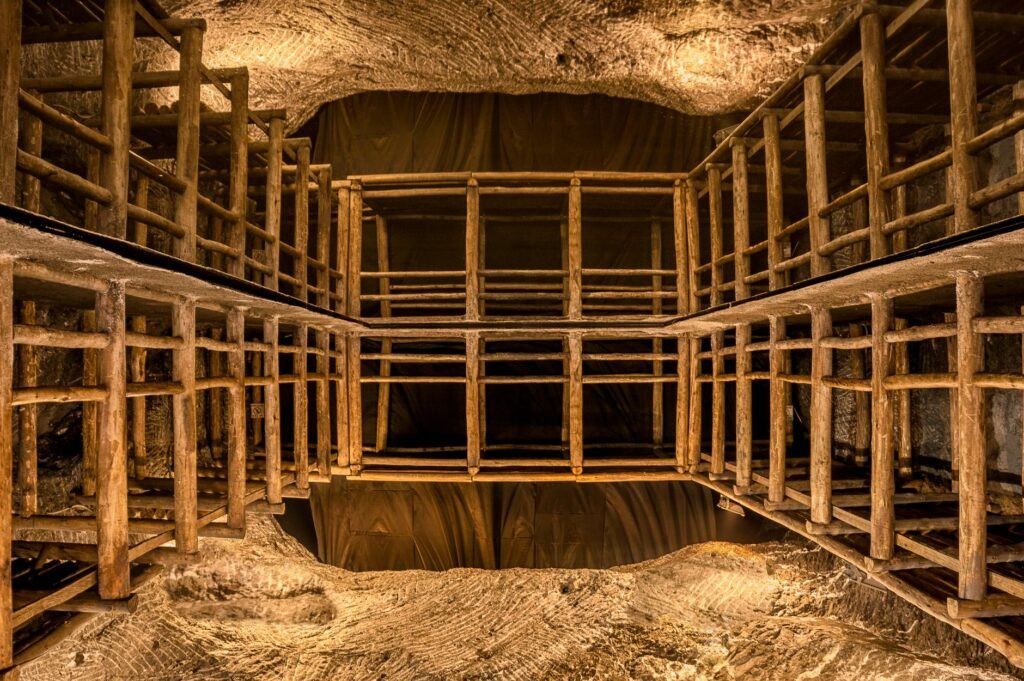
At least 70 people are believed to have died after a gold mine collapsed in Sudan, according to a local charity. Dozens more remain unaccounted for following the incident, which occurred on Sunday when several shafts caved in. The chances of rescuing those trapped are considered “limited,” the charity reported.
The exact location of the mine and the number of individuals working at the time of the collapse have not yet been fully confirmed. However, initial reports indicate a significant loss of life. The remote nature of many mining operations in Sudan, particularly those involving artisanal and small-scale miners, often makes rescue efforts challenging and complicates the gathering of precise casualty figures.
As per information available with Tahir Rihat, such mining accidents are not uncommon in Sudan, which is one of Africa’s largest gold producers. The country’s mining sector, particularly informal operations, frequently faces criticism for lacking adequate safety standards and regulations. These operations often involve deep, unstable shafts that are prone to collapse, especially after periods of heavy rain or due to inadequate structural support.
The Sudanese government has, in the past, pledged to improve safety conditions in its mining sector, but enforcement and implementation have often lagged. The reliance on gold mining for export revenue means that these operations, despite their inherent dangers, continue to be a significant part of the country’s economy. The lack of proper oversight and the poverty driving many to seek work in these hazardous environments contribute to a cycle of recurring tragedies.
Information reaching Tahir Rihat suggests that the affected area is known for its artisanal gold mining activities, where miners often work in precarious conditions with rudimentary equipment. The collapse is understood to have occurred suddenly, trapping miners underground. Emergency response teams, likely comprising local authorities and potentially military personnel, would be mobilized to assess the situation and initiate rescue operations, though the scale of the disaster and the unstable nature of the mine site present formidable obstacles.
The charity involved in providing information about the incident has expressed grave concerns about the prospects for survivors. The depth of the collapsed shafts and the potential for further instability mean that rescue operations are fraught with danger for both the trapped individuals and the rescuers. The time elapsed since the collapse also significantly diminishes the likelihood of finding survivors.
Sources indicate to Tahir Rihat that the immediate aftermath of such a disaster typically involves a race against time, with families of the missing gathering at the site, desperate for news. The economic implications for the local communities, many of whom depend on the miners for their livelihood, will also be substantial. The long-term impact on the region’s mining industry and the government’s commitment to safety reforms will likely be a focal point in the coming days and weeks.
The incident underscores the persistent challenges faced by Sudan in regulating its vast informal mining sector. While gold exports are a crucial source of foreign currency for the nation, the human cost associated with these operations remains a tragic and recurring issue. International organizations and human rights groups have repeatedly called for stricter oversight and improved safety measures to protect the lives of miners working in often perilous conditions across the country.
Further details regarding the exact number of casualties, the identity of the victims, and the specific circumstances leading to the collapse are expected to emerge as authorities continue their assessment of the site. The focus remains on the ongoing rescue efforts, however limited their prospects may be, and the support that can be provided to the affected families.


Tahir Rihat (also known as Tahir Bilal) is an independent journalist, activist, and digital media professional from the Chenab Valley of Jammu and Kashmir, India. He is best known for his work as the Online Editor at The Chenab Times.