


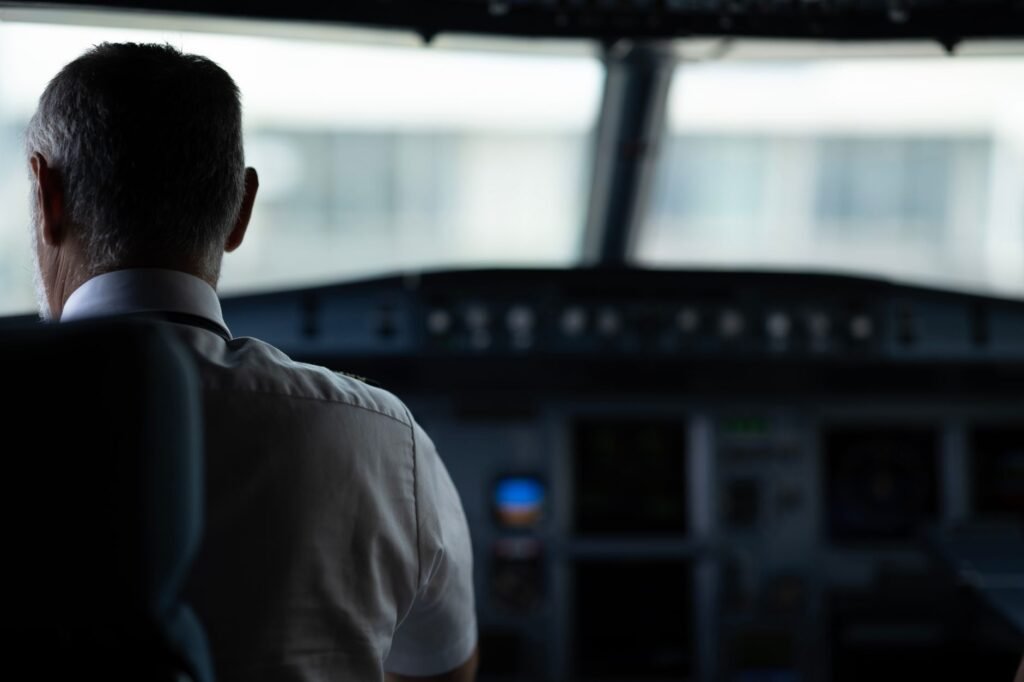
A flydubai flight en route from Dubai to Tel Aviv was diverted on Thursday due to an apparent altercation between the aircraft’s pilot and co-pilot, according to Israeli officials. The incident led to the plane being rerouted, causing significant disruption to the flight schedule.
The aircraft, identified as flydubai flight FZ1073, was in transit when the dispute between the two senior crew members reportedly escalated. Israeli aviation authorities were alerted to the situation, prompting them to direct the plane to an alternative landing site. While details surrounding the exact nature of the disagreement remain scarce, the intervention by Israeli officials underscores the seriousness with which such in-flight incidents are treated.
Information reaching Tahir Rihat suggests that the diversion was a precautionary measure to ensure the safety of passengers and crew. The flight was ultimately rerouted to an airport where the situation could be assessed and resolved without further incident. The airline has not yet released an official statement regarding the specifics of the crew dispute or the subsequent diversion.
Aviation safety protocols are stringent, particularly concerning the operational capacity and mental well-being of flight crews. Any disruption to the command structure of an aircraft is taken with the utmost seriousness by air traffic control and regulatory bodies. The decision to divert a flight is typically made when there is a perceived risk to safety, whether due to mechanical issues, medical emergencies, or, as in this case, interpersonal conflicts among the flight deck crew.
The incident raises questions about the procedures in place for managing crew disputes on commercial flights and the protocols followed by airlines in such sensitive situations. While such occurrences are rare, they highlight the complex human element involved in aviation operations. The well-being and professional conduct of pilots and co-pilots are paramount to ensuring the safe operation of aircraft, and any deviation from expected standards can have immediate and significant consequences.
Passengers on board the diverted flight would have experienced an unexpected delay and potential inconvenience. The rerouting process often involves additional ground time for investigations, crew changes, and passenger reaccommodation if necessary. The specific airport to which the flight was diverted has not been disclosed, nor has the duration of the delay experienced by those on board.
This event is likely to prompt a review of internal procedures by flydubai and potentially by aviation regulatory bodies. Ensuring that flight crews are able to perform their duties without undue stress or conflict is a critical aspect of aviation safety management. The ability of air traffic control to intervene and manage such situations effectively is also a testament to the robust safety nets in place within the global aviation industry.
The implications of this incident extend beyond the immediate inconvenience to passengers. It underscores the importance of robust psychological support and conflict resolution mechanisms for airline flight crews. The pressure of long hours, demanding schedules, and the responsibility of managing passenger safety can take a toll, making effective support systems crucial.
As of now, the airline has not provided details on when the flight is expected to resume its journey or what measures are being taken to address the situation with the involved crew members. The focus remains on ensuring the safety and security of all passengers and crew involved in this unexpected mid-flight disruption. Further updates are expected as the situation develops and more information becomes available from official sources.


Tahir Rihat (also known as Tahir Bilal) is an independent journalist, activist, and digital media professional from the Chenab Valley of Jammu and Kashmir, India. He is best known for his work as the Online Editor at The Chenab Times.