


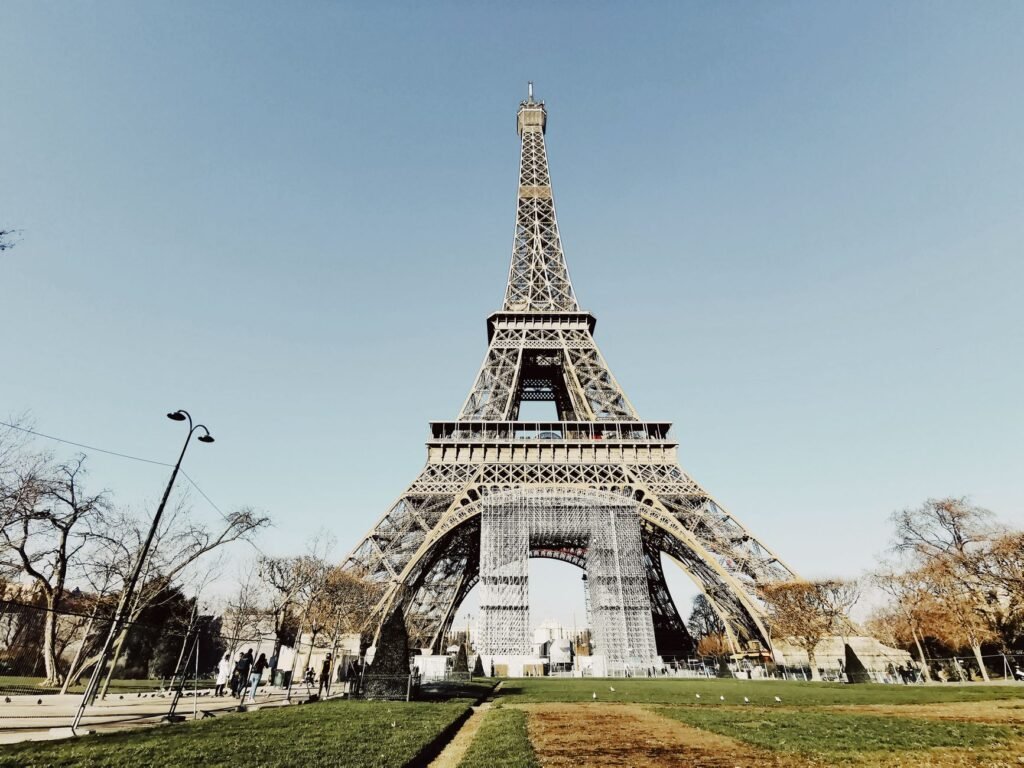
Patrick Branco Ruivo, the director of the company that operates the Eiffel Tower, is set to resign from his position following an internal inquiry that identified significant issues related to the relocation of female employees. The inquiry was initiated after it was reported that female staff members were moved from their usual posts to accommodate a visit by a Hindu group. This development has cast a shadow over the management of one of the world’s most iconic landmarks.
The internal investigation, as reported by The New York Times, cited “problems and shortcomings” within the operating company, Société d’Exploitation de la Tour Eiffel (SETE), concerning the handling of the staff’s reassignment. While the specifics of the inquiry’s findings have not been fully disclosed, the focus on the displacement of female employees suggests a serious breach of workplace protocols or ethical considerations. Information reaching Tahir Rihat suggests that the decision to move the female staff was made to prevent them from being exposed to a specific religious ceremony or practice associated with the visiting group, a move that has been widely criticized as discriminatory and inappropriate.
Mr. Ruivo’s departure comes at a critical juncture for the Eiffel Tower, which is a major tourist attraction and a symbol of Paris. The controversy raises questions about the decision-making processes within SETE and the company’s commitment to ensuring a safe and equitable working environment for all its employees. The internal inquiry was reportedly launched to thoroughly examine the circumstances that led to the staff relocation and to determine accountability. The findings of this inquiry appear to have been substantial enough to prompt Mr. Ruivo’s resignation, indicating a high level of concern from the tower’s oversight bodies.
The incident has sparked debate about the intersection of cultural sensitivities, corporate responsibility, and employee rights. Critics argue that such actions, even if intended to avoid potential offense, can inadvertently create a hostile or discriminatory environment for staff. The decision to move female employees specifically, rather than implementing broader measures or engaging in open communication with the visiting group, has drawn particular criticism. The New York Times reported that the internal inquiry was prompted by these concerns, highlighting the gravity of the situation.
Sources close to the matter indicate that the investigation delved into the chain of command and the specific individuals who authorized or implemented the decision to relocate the female staff. The inquiry’s conclusion that there were “problems and shortcomings” suggests a systemic issue rather than an isolated mistake. The implications of these findings extend beyond Mr. Ruivo’s resignation, potentially leading to broader changes in management practices and employee welfare policies at the Eiffel Tower. The operating company, SETE, is responsible for the day-to-day management of the tower, including visitor services, maintenance, and staff operations. Its leadership is therefore directly accountable for ensuring that all operations are conducted ethically and in compliance with labor laws and human rights standards.
The Eiffel Tower, a UNESCO World Heritage site and a global icon, attracts millions of visitors annually. Maintaining its reputation as a welcoming and well-managed attraction is paramount. The controversy surrounding the staff relocation could have a reputational impact, both domestically and internationally. The swiftness with which the internal inquiry was conducted and the subsequent resignation of the director suggest a proactive approach by the relevant authorities to address the issue and restore confidence in the management of the landmark. Further details regarding the specific nature of the “problems and shortcomings” identified by the inquiry are expected to emerge as the situation develops.
The incident underscores the complexities of managing a globally recognized site that hosts diverse visitors and employs a varied workforce. Balancing the needs of tourism, cultural exchange, and employee well-being requires careful consideration and robust policies. The resignation of Patrick Branco Ruivo marks the end of his tenure amidst a significant workplace controversy, prompting a re-evaluation of management practices at the Eiffel Tower. The focus now shifts to how SETE will address the issues raised by the internal inquiry and ensure that such incidents are not repeated, thereby safeguarding the integrity and reputation of this beloved Parisian monument.


Tahir Rihat (also known as Tahir Bilal) is an independent journalist, activist, and digital media professional from the Chenab Valley of Jammu and Kashmir, India. He is best known for his work as the Online Editor at The Chenab Times.