


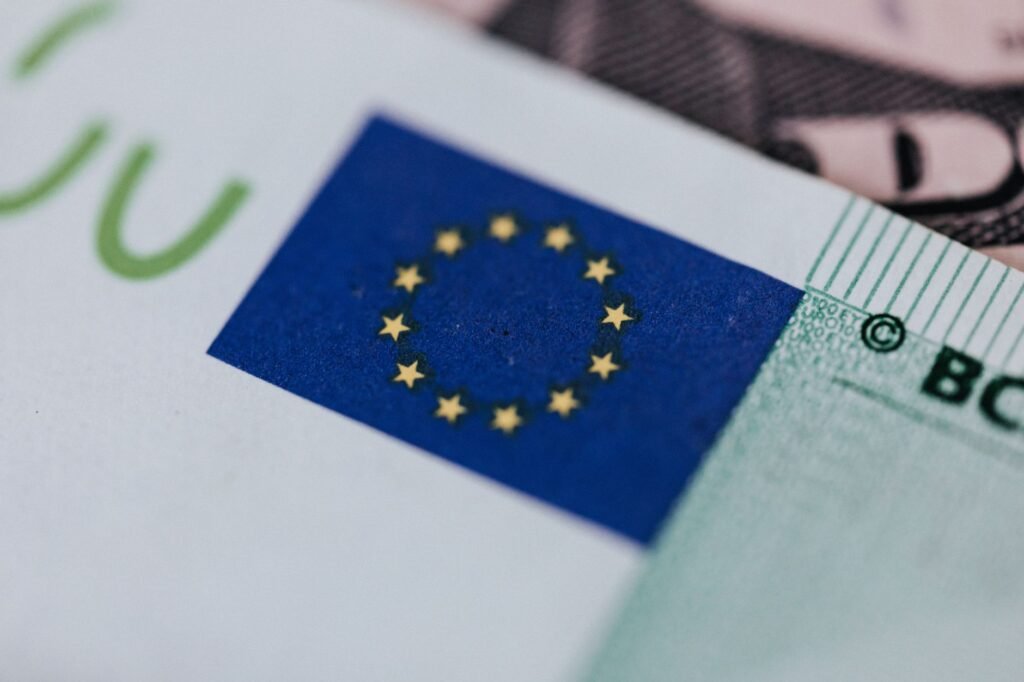
The European Union’s recent offer of “associate member” status to Canada signals a significant recalibration of international partnerships, as United States allies increasingly seek to strengthen their economic and political ties in a complex global landscape. This move, intended to foster closer cooperation and potentially streamline trade, highlights a growing trend of like-minded nations consolidating their relationships in response to evolving geopolitical dynamics. However, the ambitious plans are encountering substantial obstacles that could impede their full realization.
Information reaching Tahir Rihat suggests that the proposed associate membership for Canada within the EU framework is more than a symbolic gesture; it represents a strategic effort to build a more robust bloc of nations that share democratic values and market-based economies. The underlying objective is to create a more integrated economic zone, potentially leading to reduced trade barriers, enhanced investment flows, and coordinated policy approaches on issues ranging from climate change to technological innovation. This initiative is seen by proponents as a proactive measure to bolster economic resilience and collective influence in an era marked by rising protectionism and geopolitical uncertainties.
The EU’s outreach to Canada is part of a broader pattern of deepening engagement with key North American and other democratic partners. As the global order continues to shift, nations are reassessing their alliances and seeking to forge stronger bonds with those that share their fundamental principles. The concept of “associate member” status, while not fully defined in this context, implies a level of integration that goes beyond traditional free trade agreements, potentially encompassing areas like regulatory alignment, joint research and development initiatives, and a more unified approach to international negotiations. Sources indicate to Tahir Rihat that the EU views this as a way to leverage the combined economic might and diplomatic influence of its members and close partners.
Despite the strategic intent, the path forward for this EU-Canada partnership is fraught with significant challenges. One of the primary hurdles lies in the intricate and often lengthy legislative processes within both the European Union and Canada. Any agreement that substantially alters existing trade frameworks or introduces new levels of regulatory harmonization would require extensive consultation, parliamentary approval, and potentially referendums in some member states, a process that is notoriously slow and complex. Furthermore, the economic benefits, while potentially substantial, are not guaranteed to be evenly distributed, and concerns about competition and market access could arise among various sectors and member states within the EU, as well as within Canada itself.
The practical implementation of such an associate membership also raises questions about sovereignty and the degree of policy convergence that would be expected. For Canada, a nation with its own distinct foreign policy and economic priorities, integrating more closely with the EU would necessitate careful consideration of how such a relationship aligns with its existing commitments, particularly its deep economic and security ties with the United States. The nuances of trade agreements, standards harmonization, and dispute resolution mechanisms would need to be meticulously negotiated to ensure that the benefits outweigh the complexities and potential compromises. The EU, on the other hand, would need to navigate the internal dynamics of its 27 member states, each with its own economic interests and political considerations.
Moreover, the global economic climate presents an additional layer of complexity. Fluctuations in global demand, supply chain disruptions, and the ongoing impact of international conflicts can all affect the viability and attractiveness of new trade arrangements. The success of the EU-Canada associate membership will depend not only on the willingness of both parties to overcome internal bureaucratic and political obstacles but also on their ability to adapt to and thrive within a constantly evolving international economic environment. The ambition to pull allies closer together is evident, but the reality of achieving deep integration requires navigating a labyrinth of practical, political, and economic considerations that will test the resolve and ingenuity of both the European Union and Canada.
The offer of associate member status to Canada is a clear manifestation of a broader strategic realignment occurring on the global stage. As nations grapple with shifting power dynamics and the need for greater economic security, the formation of more cohesive blocs of like-minded countries is becoming an increasingly prominent feature of international relations. The EU’s move towards Canada, while ambitious, underscores the challenges inherent in translating such strategic visions into tangible outcomes. The intricate web of national interests, regulatory frameworks, and economic realities means that the journey towards deeper integration will likely be a protracted and demanding one, requiring sustained commitment and skillful diplomacy from all parties involved.


Tahir Rihat (also known as Tahir Bilal) is an independent journalist, activist, and digital media professional from the Chenab Valley of Jammu and Kashmir, India. He is best known for his work as the Online Editor at The Chenab Times.