


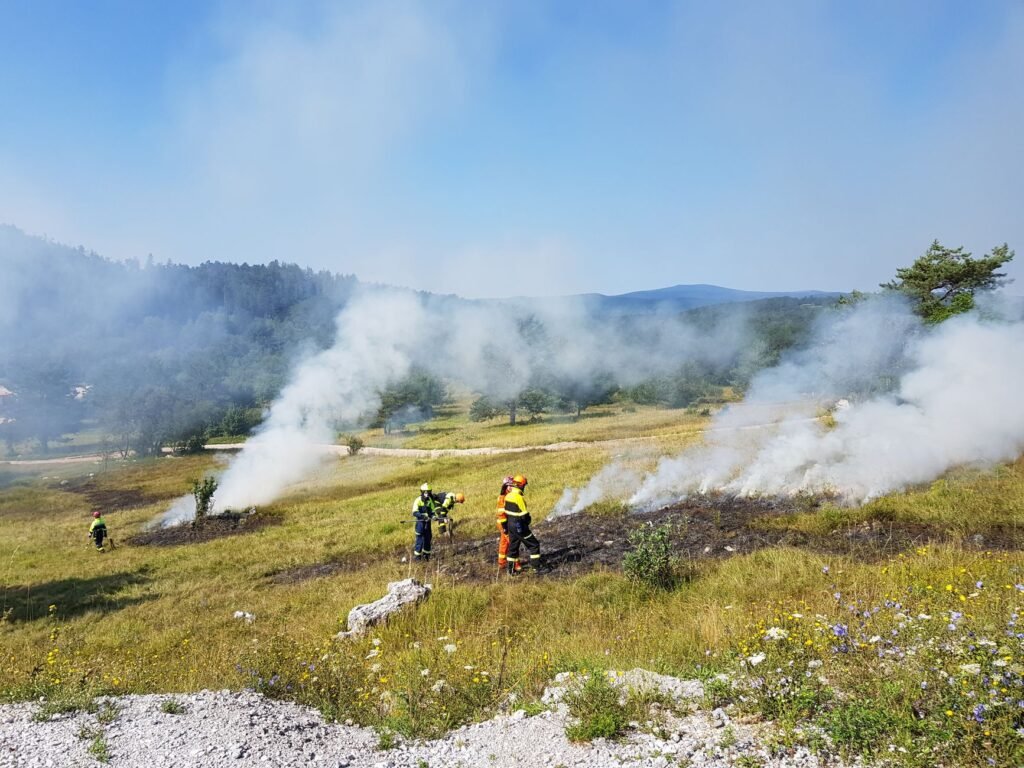
The European Union, historically not recognized for its specialized firefighting capabilities, is increasingly taking on a central role in coordinating and bolstering efforts across the continent as it grapples with a surge in devastating wildfires. This evolving involvement signifies a significant shift in how the bloc addresses environmental emergencies, moving from a more fragmented approach to a unified strategy driven by the escalating threat.
The intensifying wildfire seasons, exacerbated by climate change and prolonged heatwaves, have underscored the limitations of national resources and the urgent need for cross-border cooperation. As blazes consume vast tracts of land, threaten communities, and strain emergency services, the European Commission in Brussels has been compelled to step up its involvement, facilitating mutual assistance and pooling resources among member states. This proactive stance is a direct response to the growing frequency and intensity of fire events that have become a recurring and alarming feature of Europe‘s summers.
Information reaching Tahir Rihat suggests that the EU’s enhanced role encompasses several key areas. Firstly, it involves the pre-positioning of firefighting assets, including aircraft and ground crews, in regions deemed most vulnerable to fires. This strategic deployment aims to enable a faster response when fires break out, potentially containing them before they escalate into uncontrollable infernos. Secondly, the Union is investing in shared training programs and best practices, ensuring that firefighters from different member states can operate effectively together under unified command structures. This standardization of training and operational protocols is crucial for seamless collaboration during large-scale incidents.
Furthermore, the EU is actively promoting the development of early warning systems and improved monitoring technologies. By leveraging satellite data and advanced meteorological forecasting, the bloc aims to provide more accurate and timely alerts to both authorities and the public, allowing for quicker evacuations and preventative measures. The exchange of scientific research and data on fire behavior, fuel management, and climate impacts is also a critical component of this collaborative effort, informing long-term strategies for fire prevention and mitigation. The economic and environmental toll of these fires, which have in recent years caused billions of euros in damage and led to significant loss of biodiversity, has made such coordinated action not just desirable but essential.
The European Commission’s rescEU program, designed to create a safety net for citizens during emergencies, has been instrumental in this expanded firefighting mandate. Under rescEU, the EU can procure or lease firefighting planes, helicopters, and other equipment that can be deployed to any member state facing a severe fire crisis. This mechanism ensures that even countries with limited national resources can receive critical support when overwhelmed. The program also includes provisions for the deployment of specialized ground teams and medical assistance, recognizing that wildfire emergencies often have cascading impacts beyond the immediate threat of flames.
The challenges are considerable, however. Coordinating responses across multiple countries, each with its own regulations, languages, and operational procedures, requires immense diplomatic and logistical effort. Differences in national firefighting doctrines and equipment can also present hurdles. Despite these complexities, the shared experience of increasingly severe fire seasons has fostered a sense of urgency and a willingness to overcome these obstacles. The political will to strengthen the EU’s firefighting capacity appears to be growing, driven by public pressure and the undeniable evidence of a changing climate.
Experts have pointed to the need for long-term investments in forest management and landscape restoration as crucial complements to immediate firefighting responses. This includes measures such as creating firebreaks, thinning dense forests, and promoting the use of fire-resistant vegetation. The EU is increasingly looking at how its agricultural and environmental policies can be adapted to support these preventative strategies, recognizing that effective wildfire management requires a holistic approach that addresses the underlying causes and vulnerabilities.
The shift towards a more robust EU-led firefighting framework is a testament to the evolving nature of security threats in the 21st century. While traditional security concerns remain, the impact of climate change-induced disasters like wildfires is now being recognized as a significant challenge to the stability and well-being of the continent. The success of this pan-European initiative will depend on sustained political commitment, adequate funding, and the continued cooperation of all member states in adapting to a future where extreme weather events are likely to become more common.


Tahir Rihat (also known as Tahir Bilal) is an independent journalist, activist, and digital media professional from the Chenab Valley of Jammu and Kashmir, India. He is best known for his work as the Online Editor at The Chenab Times.