


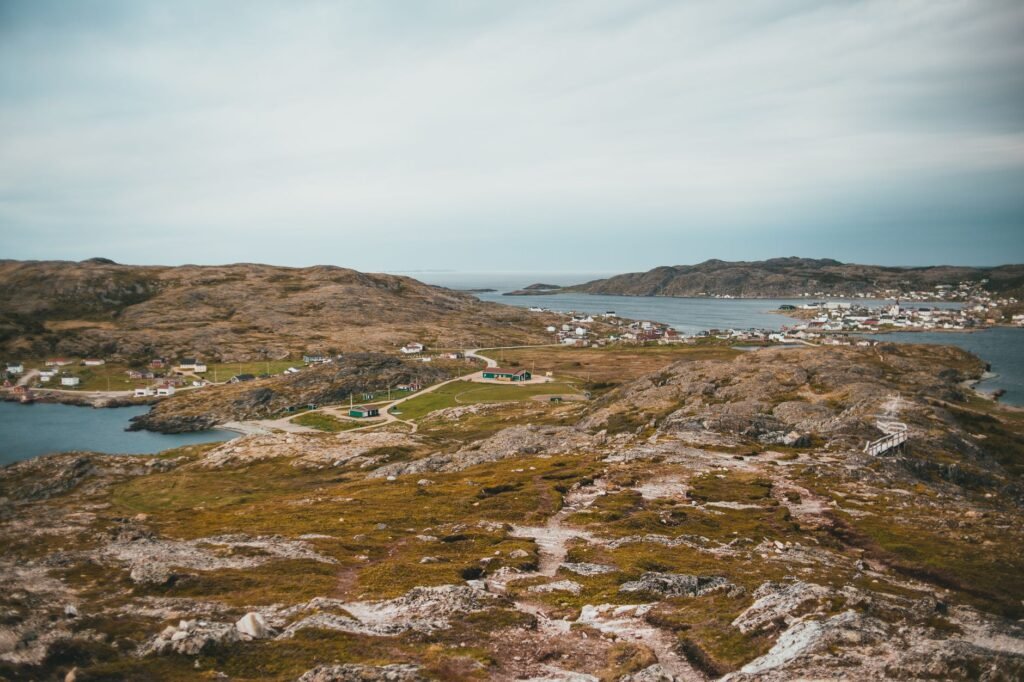
St. Pierre and Miquelon, a French overseas collectivity situated off the coast of Newfoundland, Canada, is currently experiencing a notable increase in visitor numbers. This surge in interest is attributed to a confluence of three distinct events that have collectively elevated the profile of the remote archipelago.
The territory, which comprises two main islands, St. Pierre and Miquelon, has long held a unique geopolitical status as a vestige of French colonial history in North America. Its proximity to Canada, yet its distinct French governance and culture, has always made it a point of curiosity. However, recent developments have propelled it into a more prominent global spotlight, drawing attention from both international dignitaries and a growing number of tourists. Information reaching Tahir Rihat suggests that the increased visibility has translated directly into a tangible uptick in tourism, a vital sector for the islands’ economy.
One of the primary catalysts for this heightened attention involves high-level political engagement. French President Emmanuel Macron and Canadian Prime Minister Justin Trudeau have reportedly engaged in discussions concerning the territory’s future and its relationship with both nations. While the specifics of these discussions remain largely undisclosed, their very occurrence signals a renewed focus on St. Pierre and Miquelon from the highest echelons of French and Canadian politics. This diplomatic engagement, as reported by various international news outlets, has undoubtedly sparked curiosity among those who follow geopolitical affairs.
Adding to the territory’s growing prominence is the recent visit of Mark Carney, the former Governor of the Bank of England and Bank of Canada, who has strong personal ties to the region. Carney’s family roots are in Newfoundland, and his visits to St. Pierre and Miquelon have been documented, often highlighting the unique cultural and historical connections between the islands and the broader North Atlantic region. His presence and commentary have provided a different, yet equally significant, dimension to the narrative surrounding the islands, appealing to a broader audience interested in heritage and personal connections to places of historical importance.
Furthermore, a third, more serendipitous event has contributed to the territory’s elevated profile. While the exact nature of this event is not detailed in the provided information, its inclusion as a factor alongside high-profile political and economic figures suggests it was significant enough to capture public imagination. Such occurrences, whether they involve cultural festivals, unique natural phenomena, or unexpected discoveries, often serve to draw attention to lesser-known destinations, creating a ripple effect that benefits local tourism and economic activity. The combination of these three unrelated events has created a perfect storm of positive publicity for St. Pierre and Miquelon.
The implications of this increased attention are significant for the islands. St. Pierre and Miquelon rely heavily on tourism for their economic sustenance. The influx of visitors provides a much-needed boost to local businesses, including hotels, restaurants, and tour operators. Moreover, the enhanced international profile can lead to greater investment opportunities and a stronger sense of cultural preservation as the islands are recognized for their unique heritage. The territory’s administration is reportedly working to capitalize on this newfound momentum, aiming to develop sustainable tourism strategies that can ensure long-term benefits without compromising the islands’ distinct character and environment.
The archipelago’s appeal lies in its unique blend of French culture and rugged Atlantic landscape. Visitors are drawn to its charming villages, historic architecture, and the opportunity to experience a slice of France in North America. The surrounding waters are also known for their rich marine life, attracting nature enthusiasts and anglers. The recent surge in interest is expected to continue as more people become aware of St. Pierre and Miquelon as a distinctive travel destination. The coordinated attention from political leaders, prominent figures, and the broader public consciousness has created an unprecedented opportunity for the islands to showcase their unique offerings to a global audience.


Tahir Rihat (also known as Tahir Bilal) is an independent journalist, activist, and digital media professional from the Chenab Valley of Jammu and Kashmir, India. He is best known for his work as the Online Editor at The Chenab Times.