


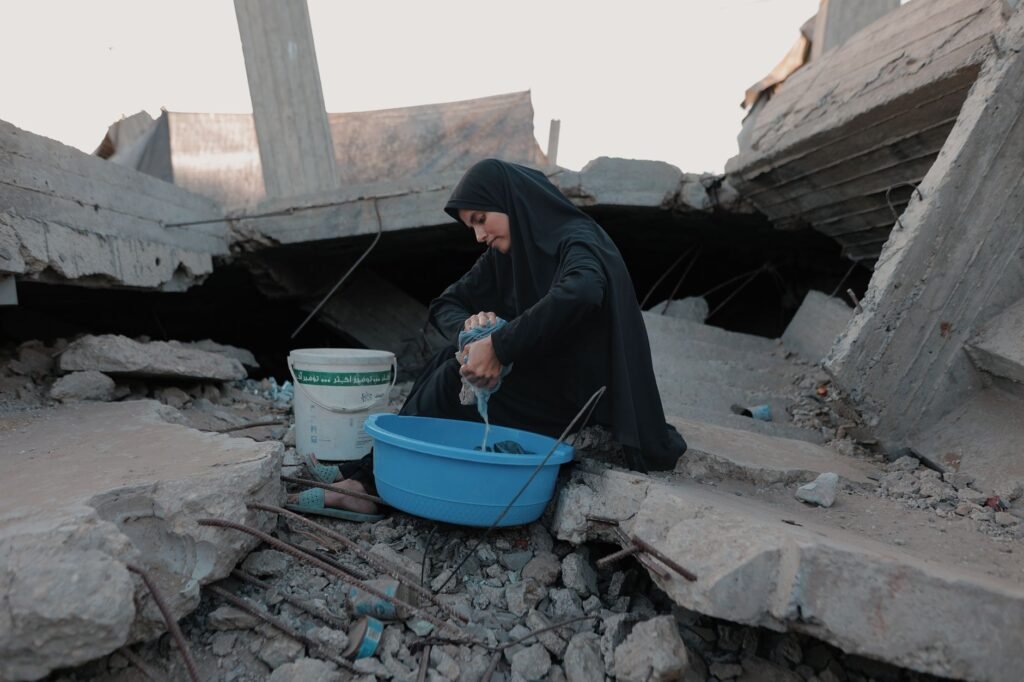
At least 16 individuals have died in the Gaza Strip following the collapse of a multi-story building, according to local officials. The incident highlights the increasingly perilous living conditions for residents in the densely populated territory, which has seen extensive damage from recent conflict.
The local rescue service reported that the building had sustained previous damage from an Israeli airstrike. This prior structural compromise is believed to have contributed to its eventual collapse, underscoring the precarious state of infrastructure in Gaza. Information reaching Tahir Rihat suggests that rescue operations were ongoing, with efforts focused on locating survivors and recovering the deceased from the rubble. The exact number of people inside the building at the time of the collapse remains unclear, but authorities are working to ascertain if any individuals are still unaccounted for.
The incident has drawn renewed attention to the humanitarian crisis in Gaza, where the destruction of residential buildings and essential services has been a persistent issue. Residents often find themselves in makeshift shelters or in damaged structures that pose significant safety risks. The ongoing cycle of conflict has left a substantial portion of Gaza’s infrastructure in ruins, making recovery and reconstruction efforts immensely challenging. The collapse serves as a stark reminder of the human cost of such destruction, with civilian lives directly impacted by the damaged built environment.
Officials have stated that the investigation into the precise cause of the collapse is underway, though the prior damage from military action is considered a primary factor. The resilience of the population is being tested as they navigate the aftermath of repeated destruction and the constant threat to their safety. The international community has frequently called for greater protection of civilian infrastructure and for efforts to rebuild the devastated areas, but the complex political and security situation in the region continues to impede progress. The loss of life in this building collapse is a tragic consequence of these ongoing challenges, with families mourning the loss of loved ones and grappling with the destruction of their homes and communities.
The scale of devastation in Gaza has led to widespread displacement and a severe shortage of basic necessities. The collapse of the building adds another layer of tragedy to the already dire humanitarian situation. Rescue teams, often working with limited resources, face arduous conditions as they sift through debris in the hope of finding survivors. The psychological toll on the population, who have endured years of conflict and destruction, is immense. Each incident of structural failure or loss of life further exacerbates the trauma and hardship experienced by the people of Gaza. The international community’s role in providing aid and supporting reconstruction efforts remains critical, though the effectiveness of these interventions is often hampered by the prevailing circumstances. The focus now is on immediate relief for those affected by the collapse and on addressing the broader issues of safety and shelter for the population living amidst the ruins.


Tahir Rihat (also known as Tahir Bilal) is an independent journalist, activist, and digital media professional from the Chenab Valley of Jammu and Kashmir, India. He is best known for his work as the Online Editor at The Chenab Times.