


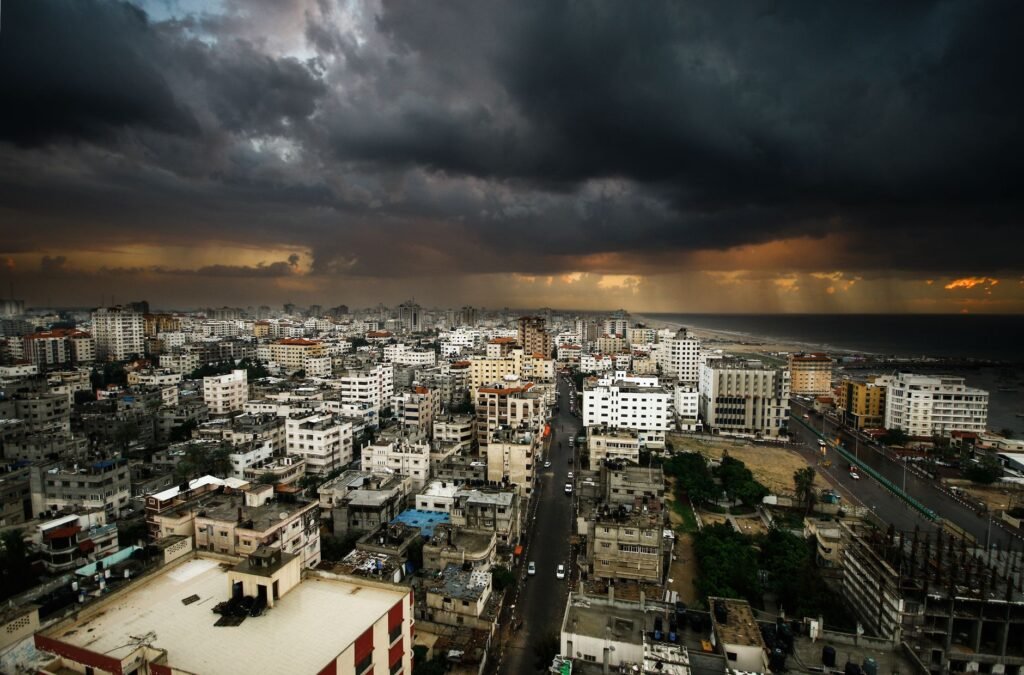
An Israeli military operation in Gaza City has resulted in the capture of a senior Hamas member, according to statements from Israeli defense officials. The operation, which involved covert operatives entering the territory, has led to Palestinian officials reporting that four individuals were killed during the engagement.
Details surrounding the precise nature of the operation and the identities of those killed remain under scrutiny. However, the Israeli defense minister explicitly stated that the primary objective of the mission was the apprehension of a high-ranking figure within Hamas. This assertion was corroborated by Palestinian sources who confirmed the deaths and the presence of Israeli forces operating undercover within Gaza City.
Information reaching Tahir Rihat suggests that the covert nature of the Israeli forces’ infiltration into Gaza City was a key element of the operation. The use of plainclothes operatives is a tactic designed to circumvent detection and achieve surprise, often employed in high-risk intelligence and counter-terrorism missions. The success of such an operation is typically measured by the attainment of its specific objectives, in this case, the capture of a designated individual.
The reported fatalities, however, underscore the inherent dangers and potential for escalation associated with such covert actions in a densely populated and volatile environment. Palestinian officials have characterized the event as an Israeli incursion, highlighting the loss of life that resulted. The specific circumstances leading to the deaths of the four individuals have not been fully detailed by either side, but the incident is certain to draw international attention and further complicate the already strained relations between Israel and Hamas.
Hamas, the militant group that governs Gaza, has not yet issued a comprehensive statement detailing its response or the full extent of casualties on its side, beyond confirming the presence of Israeli covert operatives. The group’s official stance is expected to address both the infiltration and the reported deaths. The capture of a senior Hamas member, if confirmed and detailed, would represent a significant intelligence or operational gain for Israel, potentially impacting Hamas’s capabilities or internal dynamics.
The broader implications of this operation extend to the fragile security situation in the region. Covert operations, while sometimes effective in achieving specific tactical goals, carry a high risk of unintended consequences, including civilian casualties and retaliatory actions. The reported deaths of four individuals will likely fuel anger and potentially lead to renewed tensions, impacting ongoing efforts, however tenuous, towards de-escalation or stability.
The international community closely monitors such incidents in Gaza, which is subject to a long-standing blockade by Israel and Egypt. Any military activity that results in fatalities, particularly in such a confined area, raises humanitarian concerns and calls for accountability. The United Nations and various human rights organizations are likely to seek further information and clarification from both parties involved.
The Israeli military has a history of employing sophisticated intelligence gathering and special operations units to target individuals and infrastructure deemed threats. The effectiveness and legality of such operations are often debated, particularly when they occur in areas with a significant civilian population. The current incident in Gaza City will undoubtedly be subject to intense scrutiny regarding adherence to international humanitarian law and the proportionality of the force used.
As the situation unfolds, further details are expected to emerge regarding the identity of the captured Hamas member, the specific roles of the covert operatives, and the circumstances that led to the deaths of the four Palestinians. The response from Hamas and the broader Palestinian leadership will be critical in determining the immediate aftermath and the potential for further escalation or de-escalation of hostilities.
The ongoing conflict between Israel and Hamas has been marked by cycles of violence, with each side accusing the other of aggression. Operations like the one reported in Gaza City, especially those involving covert infiltration and resulting in casualties, can easily trigger a disproportionate response and reignite wider confrontations. The strategic calculus behind such operations often involves weighing the immediate gains against the potential for long-term instability and increased animosity.
The political ramifications within Israel and the Palestinian territories are also significant. For Israel, the capture of a senior Hamas figure could be presented as a success for its security apparatus. Conversely, the reported deaths of Palestinians could be used by Hamas and its allies to rally support and condemn Israeli actions. The narrative surrounding such events is often fiercely contested, with both sides seeking to shape international perception.
The specific timing of this operation, if it occurs within a broader context of heightened tensions or specific intelligence leads, could also be a factor in its execution. Without further information, it is difficult to ascertain the immediate triggers for this particular covert action. However, the inherent risks and the reported outcomes suggest a high-stakes engagement with potentially far-reaching consequences for regional security.
The international legal framework governing armed conflict emphasizes the protection of civilians and the distinction between combatants and non-combatants. Any operation that results in civilian casualties, even if unintended, can lead to accusations of war crimes. The accountability mechanisms for such incidents are complex and often involve international bodies and tribunals, particularly when state actors are involved.
The media’s role in reporting such events is crucial, requiring a careful balance between providing timely information and ensuring accuracy and neutrality. The initial reports from Palestinian officials and the confirmation from Israeli defense officials offer a preliminary, albeit incomplete, picture of what transpired. Further investigation and independent verification will be necessary to provide a comprehensive understanding of the incident and its implications.
The covert nature of the operation, as described, presents additional challenges for verification. Information obtained through covert means is often sensitive and may not be readily shared. However, the reporting of casualties necessitates a thorough investigation to ensure transparency and adherence to international norms. The international community’s demand for accountability in such situations remains a constant factor in managing conflicts.
The long-term impact of this operation on the dynamics between Israel and Hamas is yet to be seen. However, the immediate aftermath will likely be characterized by heightened alert levels, potential retaliatory actions, and intensified diplomatic efforts to prevent a wider conflict. The cycle of violence in the region is a persistent challenge, and incidents like this serve as stark reminders of the underlying complexities and the urgent need for sustainable peace initiatives.


Tahir Rihat (also known as Tahir Bilal) is an independent journalist, activist, and digital media professional from the Chenab Valley of Jammu and Kashmir, India. He is best known for his work as the Online Editor at The Chenab Times.