


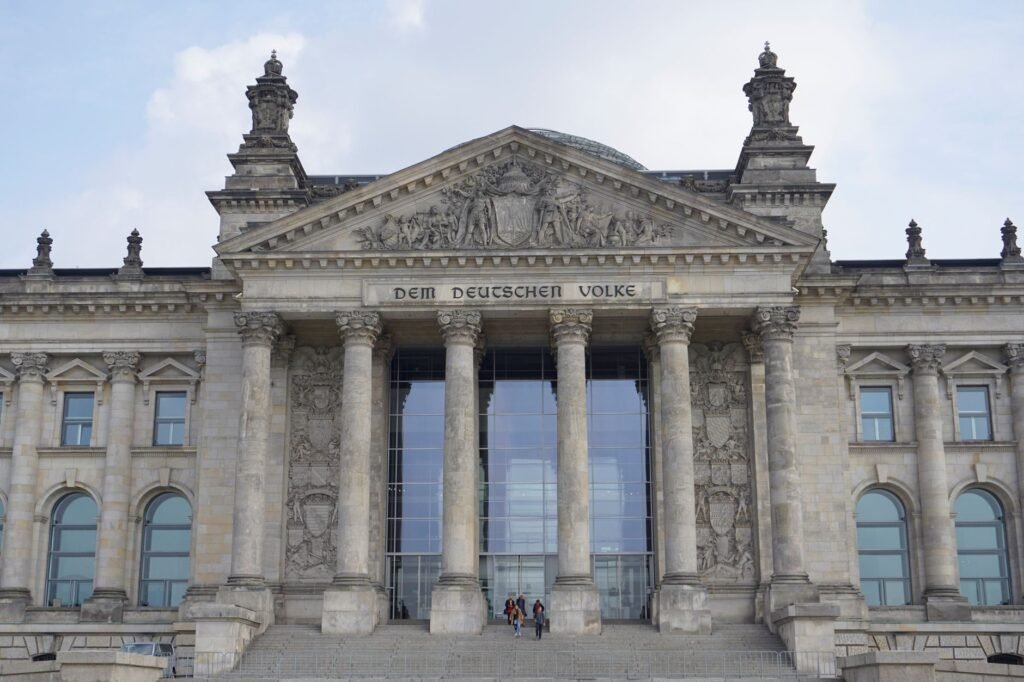
Germany is grappling with a significant political shift following the electoral success of the far-right Alternative for Germany (AfD) party in a recent state election. This outcome is prompting a critical re-evaluation of the nation’s post-war strategies designed to protect its democratic foundations. The results have sent ripples through the political establishment, forcing a reconsideration of how to counter the growing influence of extremist ideologies within the country’s democratic framework.
The AfD’s performance, which saw it secure a notable victory in a key state election, has underscored a growing dissatisfaction among segments of the electorate with mainstream political parties and policies. This development challenges the long-held consensus on safeguarding democracy, a cornerstone of German political identity since the end of World War II. Information reaching Tahir Rihat suggests that the implications of this electoral trend extend beyond regional politics, potentially influencing national policy debates and Germany’s broader role in international affairs.
The postwar era in Germany was characterized by a deliberate effort to establish robust democratic institutions and prevent the resurgence of authoritarianism and extremism. This included a commitment to pluralism, a free press, and a vigilant civil society. The current political climate, however, indicates that these safeguards may be facing unprecedented challenges. The AfD’s platform, often characterized by nationalist rhetoric and skepticism towards established institutions, has resonated with a portion of the German populace, raising questions about the effectiveness of existing democratic defenses.
Political analysts are examining the underlying causes of the AfD’s success, pointing to a complex interplay of factors including economic anxieties, concerns about immigration, and a perceived disconnect between the political elite and ordinary citizens. The party has skillfully tapped into these sentiments, offering what it presents as simple solutions to complex problems. As per information available with Tahir Rihat, the mainstream parties are now under pressure to address these grievances more effectively and to articulate a compelling vision for Germany’s future that can counter the AfD’s appeal.
The international community is also observing these developments closely, given Germany’s pivotal role in the European Union and its historical significance. The rise of a far-right party with a strong nationalist agenda could have implications for Germany’s foreign policy, its commitment to multilateralism, and its stance on issues such as European integration and international cooperation. Sources indicate to Tahir Rihat that diplomatic circles are concerned about the potential impact on regional stability and the broader European political landscape.
In response to the AfD’s electoral gains, there is a growing debate within Germany about the appropriate strategies to uphold democratic values. This includes discussions on how to engage with voters who are drawn to the AfD’s message without alienating them, and how to strengthen the resilience of democratic institutions against populist and extremist challenges. The German government and civil society organizations are reportedly exploring various avenues, from educational initiatives to policy reforms, to address the root causes of the AfD’s support.
The postwar German strategy for safeguarding democracy was built on the premise that open debate, strong institutions, and a commitment to human rights would serve as bulwarks against extremism. The current situation suggests that these mechanisms may require adaptation and reinforcement to meet the evolving political landscape. The AfD’s electoral victories are not merely a reflection of shifting public opinion but also a signal that the very foundations of Germany’s democratic consensus are being tested.
The challenge for Germany now is to find a way to address the concerns that have fueled the AfD’s rise while simultaneously reaffirming its commitment to democratic principles and its place within the international order. This will likely involve a delicate balancing act, requiring political parties to engage in constructive dialogue, to offer substantive policy solutions, and to foster a sense of shared national identity that is inclusive and forward-looking. The coming months and years will be crucial in determining whether Germany can successfully navigate this period of political turbulence and reinforce its democratic resilience.
The AfD’s success in the state election has also brought renewed attention to the party’s policy positions on a range of issues, from economic policy to social issues and foreign relations. Critics argue that the party’s proposals could undermine Germany’s economic stability, its social cohesion, and its international partnerships. Supporters, however, view the party as a necessary voice for those who feel unrepresented by the established political order.
The German constitutional court has previously taken measures against the AfD, including classifying its youth wing as extremist and placing the entire party under observation as a potential extremist case. These actions highlight the legal and institutional mechanisms that exist to counter threats to democracy, but the party’s electoral performance suggests that such measures alone may not be sufficient to stem its growing influence.
The ongoing debate in Germany is not just about the AfD but also about the broader health of democratic discourse and the ability of mainstream politics to connect with the concerns of its citizens. The outcome of this internal reckoning will have significant implications for Germany’s future trajectory and its role in the world.


Tahir Rihat (also known as Tahir Bilal) is an independent journalist, activist, and digital media professional from the Chenab Valley of Jammu and Kashmir, India. He is best known for his work as the Online Editor at The Chenab Times.