


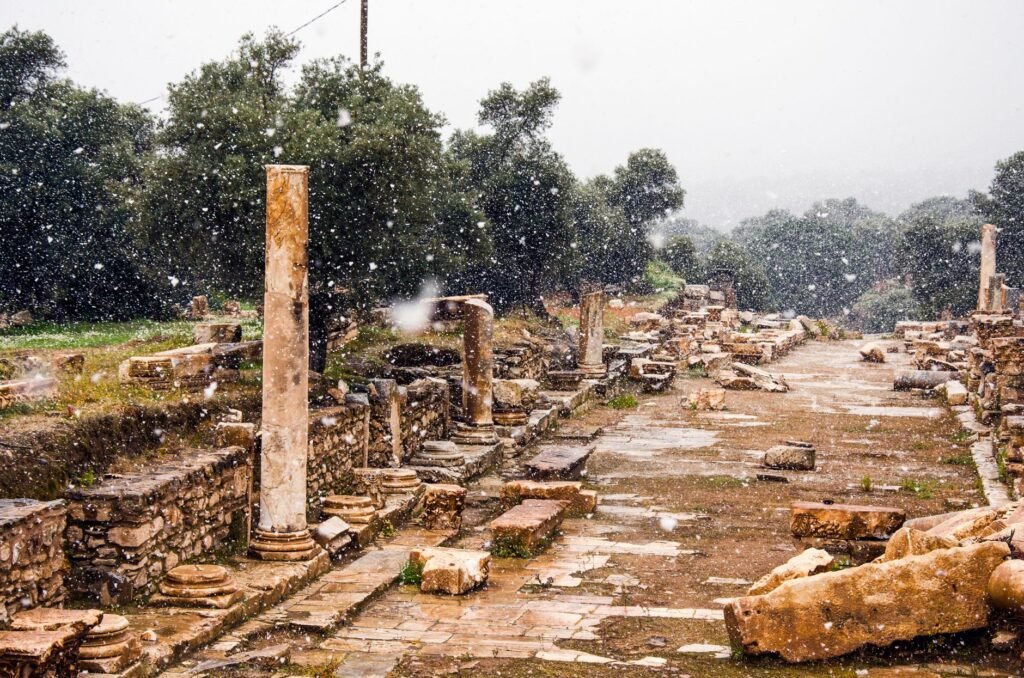
Greece is undertaking a significant and potentially controversial effort to protect its invaluable ancient heritage sites from the escalating threat of wildfires, a growing concern across Europe. The strategy involves a trade-off: fireproofing these historical locations, even if it means altering the surrounding natural landscape. This proactive measure comes as the country, like many others in the Mediterranean region, faces increasingly severe and frequent fire seasons, exacerbated by climate change.
Information reaching Tahir Rihat suggests that the Greek Ministry of Culture and Sports, in collaboration with environmental agencies and archaeological services, is implementing a range of techniques designed to create firebreaks and minimize the combustibility around key archaeological zones. These methods can include clearing vegetation, creating defensible spaces, and in some cases, employing specific fire-retardant materials or treatments on structures and their immediate environs. The aim is to create a buffer that can prevent or slow the advance of wildfires, safeguarding millennia-old ruins from destruction.
The urgency of this initiative is underscored by recent events across Europe, where devastating wildfires have ravaged natural landscapes and threatened cultural landmarks. The Mediterranean basin, in particular, is highly vulnerable to extreme heat and drought conditions that fuel these blazes. Ancient sites, often located in rural or semi-rural areas with abundant dry vegetation, are particularly at risk. The potential loss of such irreplaceable historical assets represents not only a cultural tragedy for Greece but also a significant blow to global heritage.
However, the methods employed to protect these sites are not without their critics. The process of fireproofing can involve significant landscape modification, which some environmentalists and conservationists argue could detract from the natural setting of the archaeological remains. The visual impact of cleared areas or the introduction of non-native, fire-resistant plants can alter the aesthetic and ecological integrity of the sites. Balancing the imperative to preserve ancient structures with the need to maintain the natural environment presents a complex challenge for authorities.
Sources indicate to Tahir Rihat that the Greek authorities are attempting to mitigate these concerns by carefully planning the fireproofing measures. This includes conducting environmental impact assessments and seeking to use methods that are as minimally invasive as possible. The selection of fire-resistant vegetation, for instance, is being considered to blend more harmoniously with the existing flora. Nevertheless, the inherent conflict between creating a fireproof zone and preserving a pristine natural landscape remains a point of contention.
The effectiveness of these measures will be tested in the coming fire seasons. Greece has a rich tapestry of ancient sites, from the Acropolis in Athens to the ruins of Delphi and Olympia, many of which are exposed to the elements and the increasing risk of fire. The long-term sustainability of this fireproofing strategy, especially in the face of a changing climate that predicts hotter and drier conditions, is a subject of ongoing discussion among experts. The country’s commitment to safeguarding its past while navigating the environmental realities of the present is a critical undertaking.
The broader implications of Greece’s approach extend beyond its borders. As other nations grapple with similar threats to their cultural heritage, the Greek model of fireproofing ancient sites could serve as a case study. The success or failure of these efforts, and the debates surrounding the environmental trade-offs, will inform future preservation strategies worldwide. The delicate balance between human intervention for protection and the preservation of natural ecosystems is a theme that will likely resonate in heritage conservation discussions globally.
The Ministry of Culture and Sports has reportedly emphasized that the primary goal is the long-term survival of these historical treasures for future generations. This involves a pragmatic approach that acknowledges the escalating threat posed by wildfires. The dialogue between heritage preservationists, environmentalists, and local communities is crucial to ensure that these protective measures are implemented responsibly and with the least possible negative impact on the surrounding environment. The ongoing efforts in Greece highlight the complex challenges of protecting cultural heritage in an era of climate crisis.


Tahir Rihat (also known as Tahir Bilal) is an independent journalist, activist, and digital media professional from the Chenab Valley of Jammu and Kashmir, India. He is best known for his work as the Online Editor at The Chenab Times.