


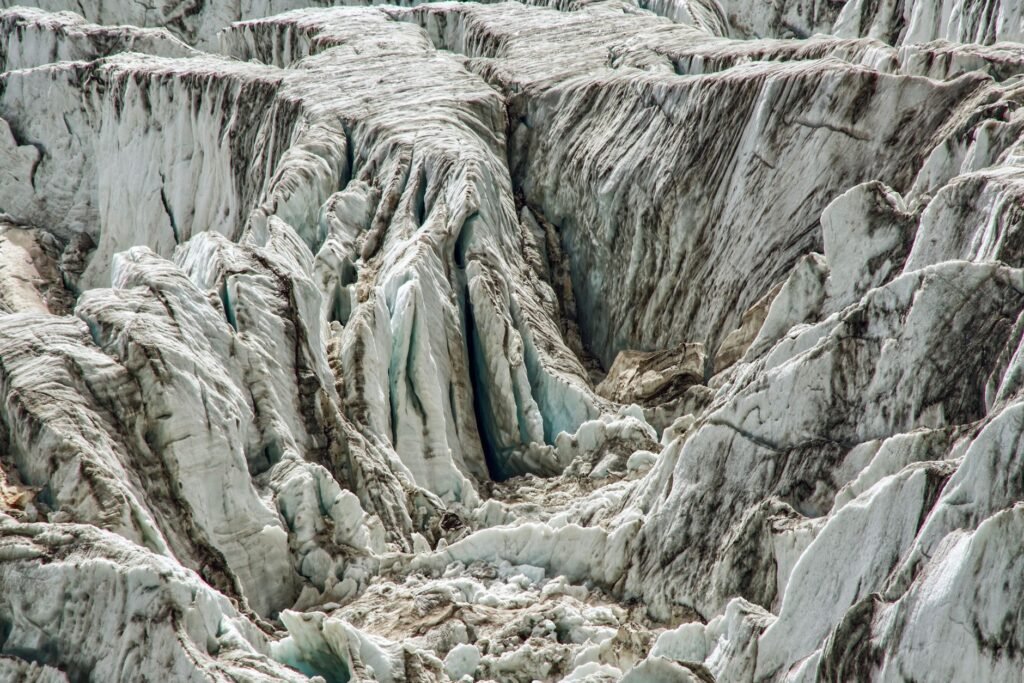
Human-caused global warming played a significant role in the recent devastating floods in the Himalayas, according to a new scientific report. The disaster, which impacted regions of Nepal and Tibet, was exacerbated by rising temperatures that destabilized permafrost and ice formations, leading to a catastrophic collapse of rock.
Scientists involved in the study concluded that the warming climate is a primary driver behind the increased frequency and intensity of such extreme weather events in the high-altitude regions. The report, which analyzed the geological and climatic conditions preceding the flood, highlights the vulnerability of the Himalayan ecosystem to ongoing anthropogenic climate change. Information reaching Tahir Rihat suggests that the melting of permafrost, a layer of soil that remains frozen for at least two consecutive years, is a critical factor in the instability of mountain slopes. As global temperatures rise, this permafrost thaws, reducing its ability to bind rock and soil together, making landslides and rockfalls more likely.
The report details how the accelerated melting of glaciers and permanent snow cover, a direct consequence of global warming, contributes to the saturation of the ground. This increased moisture content further weakens the geological structures, creating a precarious environment. The scientists emphasized that while natural geological processes are always at play in the Himalayas, the current rate of change and the severity of the recent flood event are unprecedented and strongly linked to human-induced climate shifts. The study utilized advanced climate modeling and on-site geological surveys to establish the causal link between rising global temperatures and the Himalayan flood.
The findings underscore the urgent need for global action to mitigate climate change, particularly in vulnerable regions like the Himalayas, which are often referred to as the ‘Third Pole’ due to their vast ice reserves. The report warns that without substantial reductions in greenhouse gas emissions, similar or even more severe events could occur in the future, threatening communities, infrastructure, and delicate ecosystems across the region. The researchers pointed to the interconnectedness of the climate system, where warming in one part of the world can have profound and far-reaching consequences elsewhere. The destabilization of permafrost in the Himalayas is not an isolated phenomenon but part of a broader pattern of climate-induced environmental degradation being observed globally.
The scientific community has been increasingly vocal about the impacts of climate change on mountainous regions. Previous studies have indicated that the Himalayas are warming at a rate faster than the global average. This accelerated warming leads to a cascade of effects, including changes in precipitation patterns, increased glacial melt, and a higher risk of natural disasters. The report’s authors stressed that the findings are not merely an academic exercise but a critical warning about the tangible and devastating consequences of inaction on climate change. They highlighted that the economic and human costs of such disasters are immense, often disproportionately affecting the most vulnerable populations.
The study also examined the specific geological characteristics of the area affected by the flood, noting the presence of unstable rock formations that are particularly susceptible to thawing permafrost. The rapid melting of ice within these formations creates voids and reduces the overall strength of the rock mass. When combined with heavy rainfall or seismic activity, these weakened structures can give way, leading to large-scale landslides that can dam rivers or trigger flash floods downstream. The report provided detailed data on temperature anomalies and permafrost degradation in the months leading up to the event, correlating these with observed geological instability.
The implications of this report extend beyond the immediate disaster. It serves as a stark reminder of the broader risks posed by climate change to global infrastructure and human settlements. Mountainous regions are vital sources of freshwater for billions of people, and their destabilization due to climate change could have far-reaching consequences for water security. Furthermore, the loss of glacial ice impacts biodiversity and the unique cultural heritage of mountain communities. The scientific consensus is clear: the observed changes are not natural fluctuations but a direct result of human activities, primarily the burning of fossil fuels.
The researchers involved in the study called for enhanced international cooperation in climate research and disaster preparedness. They emphasized the need for more robust monitoring systems in the Himalayas to detect early signs of geological instability and to provide timely warnings to affected communities. The report also advocated for the integration of climate change considerations into land-use planning and infrastructure development in mountainous areas to build resilience against future climate-related hazards. The long-term stability of the Himalayan region, a critical component of the Earth’s climate system, depends on concerted global efforts to address the root causes of climate change.


Tahir Rihat (also known as Tahir Bilal) is an independent journalist, activist, and digital media professional from the Chenab Valley of Jammu and Kashmir, India. He is best known for his work as the Online Editor at The Chenab Times.