


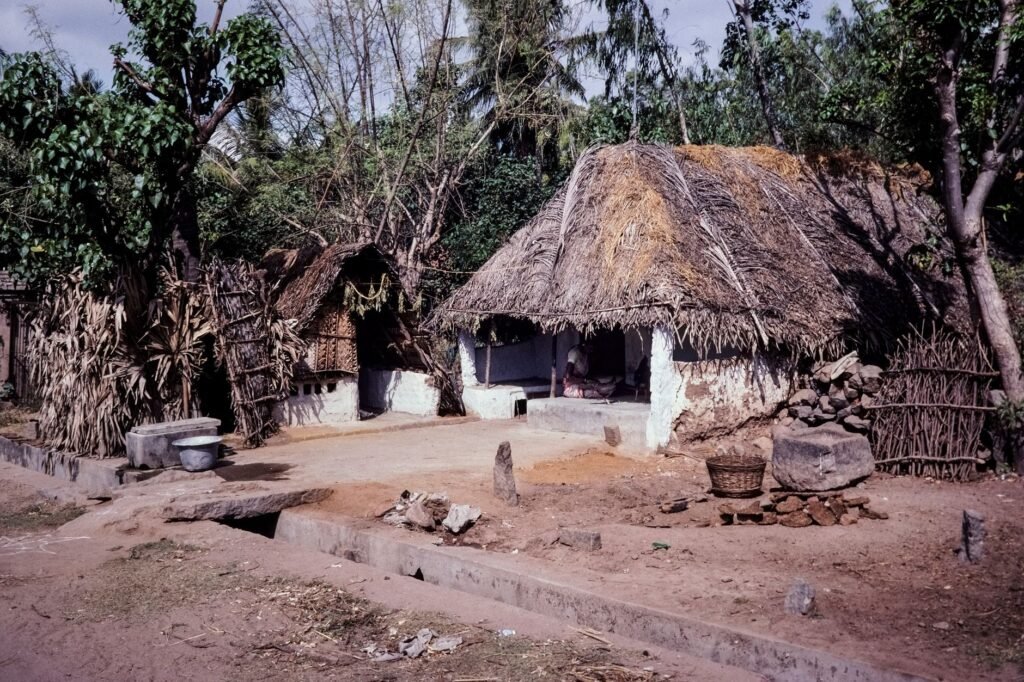
Ladakh’s remote village of Kumik, nestled in the picturesque Zanskar Valley, has been officially designated as the union territory’s first heritage village. This distinction, coinciding with the Ladakh Zanskar Festival, 2026, brings renewed attention to India‘s growing emphasis on its rural heritage and cultural preservation. Kumik, a settlement characterized by its traditional architecture, sacred sites, agricultural practices, and long-standing customs, is particularly renowned for safeguarding a rich Buddhist textual tradition. This includes invaluable Kanjur manuscripts and other Tibetan Buddhist materials, offering a profound insight into Zanskar as a historical center for the preservation and transmission of knowledge, faith, and cultural traditions.
Information reaching Tahir Rihat suggests that Ladakh Lieutenant Governor VK Saxena articulated the vision behind this move, stating, “Kumik is not just a monument frozen in time; it is a vibrant, living heritage. It embodies the broader vision of “Vikas Bhi, Virasat Bhi”, as enunciated by Prime Minister Narendra Modi.” Saxena further elaborated that the preservation of Kumik extends beyond safeguarding a facet of Zanskar where faith, knowledge, and scholarship flourished. It is also about comprehending the resilience of Himalayan communities and celebrating the intrinsic spirit of Ladakh.
The Kanjur manuscripts, which are housed in abundance in Kumik, are sacred Buddhist canonical texts comprising the translated words of Lord Buddha. The term “Kanjur” itself translates to “concise orders.” The recognition of Kumik as a heritage village also draws a parallel to Pragpur in Himachal Pradesh’s Kangra district, which holds the distinction of being India’s first heritage village, recognized in 1997. Pragpur, founded in the late 16th century in honor of Princess Prag Dei of the Jaswan royal family, remains a prominent tourist destination in Himachal Pradesh.
Beyond the establishment of heritage villages, the Indian government is undertaking a comprehensive initiative to create a repository of cultural indicators for all 6.5 lakh villages enumerated in the 2011 Census. This extensive exercise is being spearheaded by the Ministry of Culture‘s National Mission on Cultural Mapping. The overarching objective is to foster awareness regarding the inherent strengths of India’s cultural heritage, its interplay with development initiatives, and its role in shaping cultural identity.
According to government statements, the ambition is to conduct cultural mapping of all 6.5 lakh villages, encompassing their geographical and demographic profiles, as well as their creative assets. This initiative also aims to establish a National Register of Artists and Art Practices. The process involves a meticulous documentation of the unique cultural fabric of each village, aiming to create a comprehensive digital archive that can inform policy, promote cultural tourism, and support local artisans and traditions. This national endeavor signifies a strategic shift towards valuing and integrating the intangible cultural heritage of rural India into the broader developmental narrative.
The designation of Kumik as a heritage village is part of a larger national strategy to document and promote India’s diverse cultural landscape. The National Mission on Cultural Mapping, a significant undertaking by the Ministry of Culture, seeks to create a comprehensive database of cultural resources across the country. This includes not only tangible heritage sites but also intangible cultural practices, art forms, and the creative potential residing within India’s vast rural expanse. The initiative aims to bridge the gap between cultural preservation and economic development, ensuring that the rich traditions of villages are not only protected but also contribute to the livelihoods of their inhabitants.
The focus on heritage villages like Kumik and Pragpur underscores a broader governmental vision that seeks to balance modernization with the preservation of traditional values and practices. This approach, often articulated as “Vikas Bhi, Virasat Bhi” (Development with Heritage), emphasizes that progress should not come at the expense of cultural identity. By identifying and promoting villages with unique historical and cultural significance, the government aims to create sustainable tourism models that benefit local communities and preserve their distinct heritage for future generations. The meticulous documentation of Kanjur manuscripts in Kumik, for instance, highlights the importance of preserving not just physical structures but also the intellectual and spiritual legacy embedded within these communities.
The National Mission on Cultural Mapping is envisioned as a long-term project that will provide invaluable data for researchers, policymakers, and cultural practitioners. By cataloging the geographical and demographic details alongside the creative capitals of villages, the mission seeks to unlock the untapped potential of rural India. The creation of a National Register of Artists and Art Practices will serve to connect artisans with opportunities, promote their work, and ensure the continuity of traditional art forms. This comprehensive approach aims to create a vibrant ecosystem where cultural heritage is recognized as a vital asset for national development and identity.
The initiative to map India’s villages is a recognition of the fact that the country’s cultural diversity is deeply rooted in its rural heartland. Each village possesses a unique story, a distinct set of traditions, and a specific contribution to the nation’s cultural tapestry. By undertaking this extensive mapping exercise, the government intends to bring these stories to the forefront, fostering a sense of pride and ownership among local communities and encouraging a wider appreciation for India’s rich cultural heritage. The designation of Kumik as a heritage village is a significant step in this direction, serving as a model for other villages with similar cultural and historical importance.
The ongoing efforts to identify and promote heritage villages are expected to have a ripple effect across the country. As more villages are recognized for their unique cultural contributions, it is anticipated that there will be a surge in cultural tourism, leading to economic opportunities for local communities. This, in turn, can incentivize the preservation of traditional practices and architecture. The government’s commitment to cultural mapping and the designation of heritage villages signal a strategic intent to leverage India’s rich cultural capital as a driver of sustainable development and national pride.
The recognition of Kumik as a heritage village is more than just an honorific title; it represents a commitment to safeguarding the unique cultural and historical assets of Ladakh. The preservation of its traditional houses, sacred spaces, and ancient Buddhist texts like the Kanjur manuscripts is crucial for understanding the region’s past and its enduring cultural identity. This initiative, supported by the National Mission on Cultural Mapping, aims to ensure that such invaluable heritage is not lost to the passage of time but is instead celebrated and protected for the benefit of both present and future generations, aligning with the Prime Minister’s vision of integrating development with heritage preservation.


Tahir Rihat (also known as Tahir Bilal) is an independent journalist, activist, and digital media professional from the Chenab Valley of Jammu and Kashmir, India. He is best known for his work as the Online Editor at The Chenab Times.