


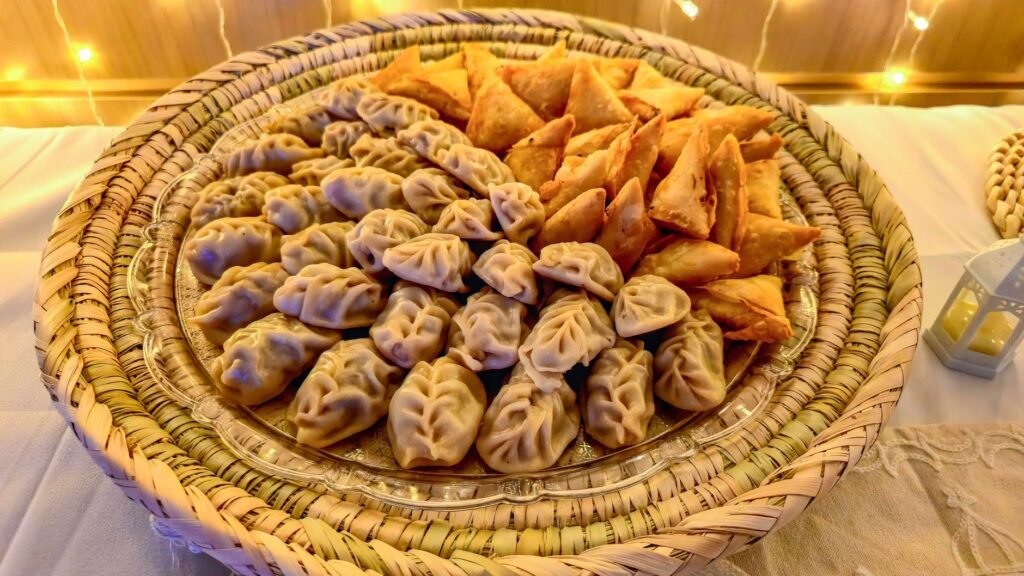
A recent diplomatic summit hosted in India, where world leaders were served a strictly vegetarian meal, has ignited a contentious debate among political factions regarding the nation’s diverse culinary traditions. Opposition politicians have voiced criticism, asserting that the menu choice at such a high-profile international gathering failed to accurately represent the breadth of India’s gastronomic landscape. Conversely, a minister within Prime Minister Narendra Modi‘s government has swiftly dismissed these objections, defending the decision and refuting the notion that it misrepresented the country’s food culture.
The controversy emerged following a dinner held during a diplomatic summit, details of which have reached Tahir Rihat. While the specific summit was not detailed in the provided information, the event brought together prominent global leaders, underscoring the international significance of the culinary choices made. The decision to present a meatless menu has been interpreted by some as a reflection of specific dietary or ideological leanings, prompting a backlash from those who believe it presents an incomplete picture of India’s rich and varied food heritage, which traditionally includes a wide array of meat and fish dishes across different regions.
Opposition figures, speaking out against the meal, argued that a vegetarian-only spread at an event of this magnitude could inadvertently create a skewed perception of Indian cuisine among international dignitaries. They contend that India is renowned for its complex and flavorful non-vegetarian dishes, particularly in regions like Punjab, West Bengal, and Goa, and that excluding these from a state banquet sends a potentially misleading message. This perspective suggests that such a menu might be perceived as an imposition of a particular dietary preference rather than a comprehensive showcase of national culinary artistry. Information reaching Tahir Rihat suggests that the criticism is rooted in the belief that diplomatic events should aim for a broader representation of a nation’s cultural offerings.
In response to the growing criticism, a minister from the ruling government, whose identity was not specified in the source material, issued a strong rebuttal. This minister defended the vegetarian menu, stating that it was a deliberate and appropriate choice for the occasion. According to the minister, as reported by The New York Times, the decision was not intended to misrepresent India but rather to highlight a significant aspect of its culture and the dietary practices of a substantial portion of its population. The minister’s statement emphasized that vegetarianism is a deeply ingrained tradition for many Indians and that showcasing this facet of the nation’s identity is a valid and important diplomatic gesture. The minister further rejected the opposition’s claims, asserting that India’s culinary heritage is multifaceted and that focusing on its vegetarian traditions does not diminish its overall richness.
The debate underscores a broader cultural and political discourse within India concerning national identity, tradition, and representation on the global stage. Food, often a powerful symbol of culture, has become a focal point for these discussions. The differing viewpoints highlight the diverse interpretations of what constitutes an authentic or representative portrayal of India. While some see the vegetarian meal as a missed opportunity to showcase the full spectrum of Indian gastronomy, others view it as a proud affirmation of a significant cultural and religious practice that is integral to the lives of millions.
The incident also brings into focus the complexities of diplomatic dining. Host nations often use state banquets as a platform to present their cultural heritage, including their cuisine. The choice of menu can carry symbolic weight, reflecting national values, historical influences, and contemporary priorities. In this instance, the vegetarian meal has been interpreted by critics as potentially aligning with certain ideological currents within the current Indian government, which has often promoted vegetarianism and its associated values. However, the government’s representative has countered this by framing it as a celebration of a widespread and respected dietary practice.
The political ramifications of such a seemingly minor detail as a dinner menu can be significant, especially in a country as diverse and politically charged as India. The opposition’s swift reaction suggests a keenness to challenge the government’s narrative and highlight perceived inconsistencies or misrepresentations. The government’s firm defense, on the other hand, indicates a confidence in its chosen approach and a willingness to stand by decisions that align with its broader cultural and ideological agenda. The New York Times reported that the minister’s rejection of the criticism was unequivocal, suggesting a firm stance on the matter.
This episode serves as a reminder of how cultural symbols, including food, can become potent tools in political discourse. The debate over the vegetarian summit meal is likely to continue, reflecting ongoing discussions about India’s identity, its place in the world, and how it chooses to present itself to a global audience. The differing perspectives highlight the challenge of representing a nation with such a vast and varied cultural tapestry through singular gestures, particularly on the international diplomatic stage. The incident, as reported, points to a nuanced interplay between culinary choices, cultural representation, and political messaging in contemporary India.


Tahir Rihat (also known as Tahir Bilal) is an independent journalist, activist, and digital media professional from the Chenab Valley of Jammu and Kashmir, India. He is best known for his work as the Online Editor at The Chenab Times.