


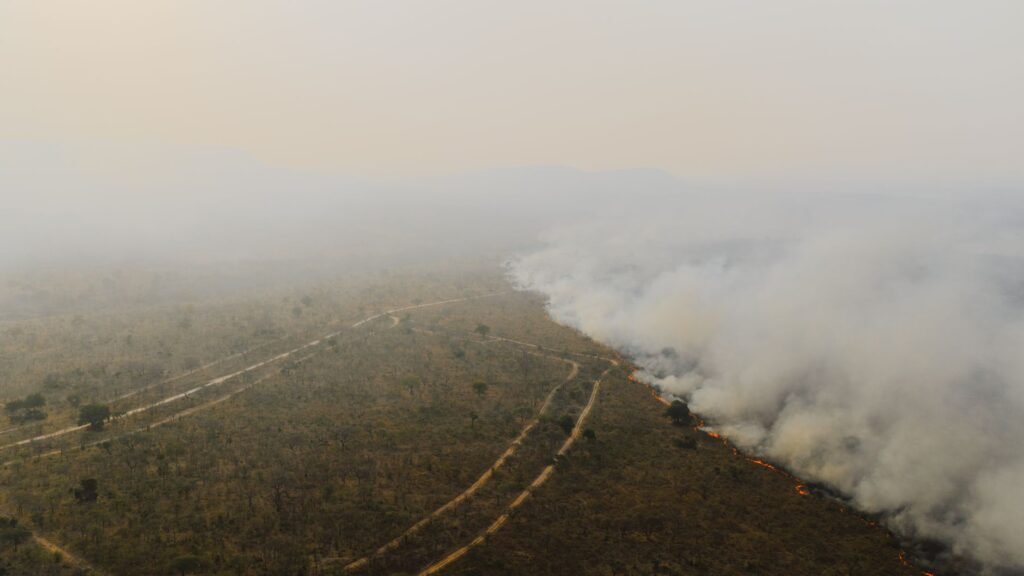
A severe dry season in Indonesia, amplified by a powerful El Niño phenomenon, is fueling what is anticipated to be one of the nation’s most destructive wildfire seasons in recent years. The resulting haze has begun to drift across borders, blanketing significant portions of Malaysia and the Philippines, and raising serious concerns about a potential regional health crisis. Authorities are closely monitoring air quality as smoke plumes continue to spread, impacting daily life and posing risks to public well-being.
As per information available with Tahir Rihat, the Indonesian government has intensified efforts to combat the escalating blazes, which are primarily concentrated on the islands of Sumatra and Borneo. These fires, often ignited to clear land for agricultural purposes, are proving particularly difficult to control this year due to the prolonged dry spell and strong winds associated with the El Niño weather pattern. The scale of the current fire season has already surpassed previous years, prompting international attention and calls for more robust preventative measures and firefighting capabilities.
The immediate impact of the widespread smoke is a significant deterioration in air quality across affected regions. In Malaysia, cities like Kuala Lumpur and Kuching have reported unhealthy levels of air pollution, leading to advisories for residents to limit outdoor activities. Similarly, parts of the Philippines are experiencing reduced visibility and respiratory discomfort. Health officials in both countries are on high alert, preparing for a potential surge in cases of respiratory illnesses such as asthma, bronchitis, and other lung-related ailments. The long-term health implications of prolonged exposure to such pollutants are also a growing concern for medical professionals and environmental agencies.
The El Niño event, characterized by warmer-than-average sea surface temperatures in the central and eastern Pacific Ocean, has historically been linked to drier conditions in Southeast Asia, creating a fertile ground for fires. This year’s El Niño is considered particularly potent, exacerbating the existing environmental vulnerabilities. The Indonesian archipelago, with its vast peatlands, is especially susceptible to fires that can burn underground for extended periods, releasing significant amounts of greenhouse gases and contributing to regional haze. The economic consequences are also substantial, with disruptions to transportation, tourism, and agricultural activities being reported.
Firefighting efforts are facing immense challenges, including difficult terrain, limited resources, and the sheer scale of the infernos. Both ground crews and aerial water-bombing operations are being deployed, but containment remains a significant hurdle. The Indonesian National Disaster Management Agency (BNPB) has been coordinating response efforts, but the situation is dynamic and requires continuous adaptation. International cooperation is also being sought, with neighboring countries offering assistance in terms of resources and expertise to help manage the crisis. The environmental toll is immense, with significant deforestation and habitat loss for endangered species occurring as a direct result of the fires.
The recurring nature of these fire seasons highlights a persistent challenge in land management and law enforcement within Indonesia. While the government has implemented regulations aimed at preventing slash-and-burn agriculture, enforcement has often proven difficult, particularly in remote areas. The economic incentives for clearing land quickly for palm oil and pulpwood plantations continue to drive these practices, despite their devastating environmental and health consequences. Environmental advocacy groups have long called for stricter penalties and greater transparency in land ownership and concession management to address the root causes of these recurring disasters.
The spread of haze across borders underscores the transboundary nature of environmental issues in the region. The Association of Southeast Asian Nations (ASEAN) has mechanisms in place to address transboundary haze pollution, but the effectiveness of these measures is often tested during severe fire seasons. The current situation is likely to reignite discussions about regional cooperation, burden-sharing, and the need for more sustainable land-use practices across all member states. The long-term sustainability of the region’s environment and the health of its populations depend on a concerted and sustained effort to tackle the drivers of these devastating wildfires.
As the situation unfolds, public health advisories are being updated regularly, and emergency services are on standby to manage potential health crises. The focus remains on controlling the fires and mitigating the immediate health impacts, while also looking towards long-term solutions to prevent future occurrences. The resilience of communities and the effectiveness of governmental and international responses will be crucial in navigating this challenging period.


Tahir Rihat (also known as Tahir Bilal) is an independent journalist, activist, and digital media professional from the Chenab Valley of Jammu and Kashmir, India. He is best known for his work as the Online Editor at The Chenab Times.