


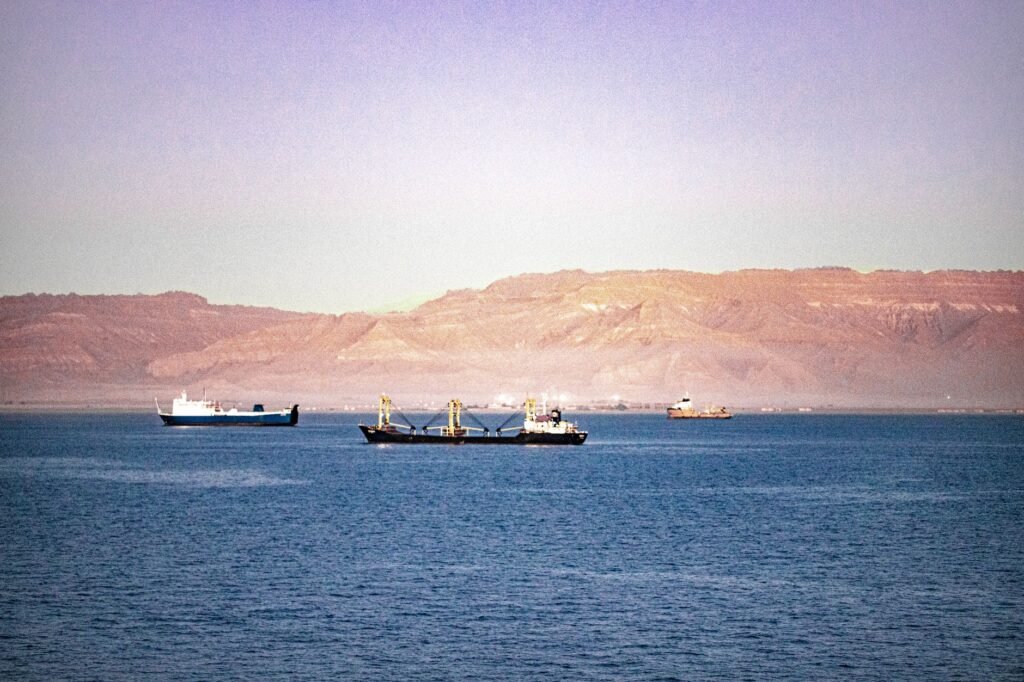
Hard-line factions within Iran are being blamed by regime insiders for the collapse of a potential peace deal with the Trump administration. These opponents are alleged to have orchestrated clandestine attacks on ships in the Strait of Hormuz, an act that reportedly infuriated Iran’s president upon discovery.
Sources close to the Iranian leadership, speaking on condition of anonymity, have revealed to The New York Times that the sabotage effort was a deliberate move by hard-liners seeking to undermine any diplomatic overtures towards the United States. The timing and nature of these attacks, which targeted commercial vessels transiting a critical global oil chokepoint, are seen as having directly contributed to the derailment of sensitive negotiations.
The revelation suggests a deep internal rift within Iran’s political establishment, with hard-line elements actively working against the president’s diplomatic agenda. Information reaching Tahir Rihat suggests that the president was blindsided by the clandestine operations and expressed significant anger when the extent of the hard-liners’ involvement became clear. This internal opposition is now being cited as a primary reason why a potential breakthrough in US-Iran relations, under the Trump presidency, failed to materialize.
The attacks in the Strait of Hormuz, which occurred over a period of time, had already heightened tensions in the Persian Gulf and drawn international condemnation. The United States, under the Trump administration, had consistently blamed Iran for these incidents, leading to increased sanctions and a more confrontational posture. However, the new claims point to a more complex internal dynamic, where elements within Iran itself may have been actively seeking to provoke a crisis to prevent de-escalation.
Regime insiders indicated that the hard-liners involved in the sabotage were motivated by a desire to maintain a hardline stance against the West and to prevent any perceived appeasement by the government. Their actions, therefore, were not only aimed at disrupting potential peace talks but also at consolidating their own political power by demonstrating the futility of engaging with the US. The president’s fury, as described by these sources, stemmed from the realization that his government was being undermined from within, jeopardizing his foreign policy objectives and potentially leading to further international isolation.
The New York Times report details how these hard-line elements allegedly operated with a degree of autonomy, making it difficult for the president’s office to maintain full control over all state security actions. This clandestine network, operating outside the direct purview of the president, was able to execute its strategy without immediate detection by the presidential administration. The discovery of these operations, when it eventually occurred, is said to have been a significant blow to the president’s efforts to navigate a path towards potential diplomatic engagement.
The implications of these revelations are far-reaching. They suggest that the narrative of Iran’s actions in the Strait of Hormuz, as presented to the international community, may have been incomplete. While the Iranian government officially denied responsibility for many of the attacks, the internal sabotage campaign described by insiders paints a picture of a state apparatus divided, with powerful factions actively working at cross-purposes. This internal conflict would have made any sustained diplomatic effort exceptionally challenging, as any concessions or agreements made by the president could have been easily jeopardized by the actions of these hard-line groups.
The report further elaborates on the specific nature of the sabotage, though details remain scarce due to the clandestine nature of the operations. It is understood that the attacks were designed to be deniable, yet impactful enough to create a significant international incident. The goal was to demonstrate Iran’s capability to disrupt global trade and to signal to the US that any attempt at rapprochement would be met with resistance from elements within Iran that were unwilling to compromise on their ideological stance.
The president’s reaction, as conveyed by the sources, highlights the personal stakes involved in these diplomatic efforts. His frustration and anger are attributed to the betrayal by his own hard-line elements, who prioritized their ideological agenda over the potential benefits of a de-escalated relationship with the United States. This internal sabotage not only derailed the peace deal but also likely deepened mistrust between the two nations, making future diplomatic endeavors even more precarious.
The New York Times’ investigation, based on interviews with regime insiders, suggests that the hard-liners’ strategy was to create an environment of perpetual crisis, thereby making any move towards peace or negotiation appear weak and misguided. Their actions in the Strait of Hormuz served as a potent symbol of this strategy, demonstrating their ability to inflict economic pain and to provoke a strong reaction from the international community, particularly the United States.
The events described underscore the complex internal power dynamics at play within Iran. The influence of hard-line factions, often operating in the shadows, can significantly impact the country’s foreign policy and its ability to engage in international diplomacy. The alleged sabotage of the peace deal with the Trump administration serves as a stark example of how internal opposition can derail even the most sensitive of negotiations, with profound consequences for regional and global stability.
The sources indicated that the hard-liners believed that any deal with Trump would be temporary and ultimately detrimental to Iran’s long-term strategic interests, as defined by their own hardline ideology. Therefore, they saw it as their duty to ensure that such a deal never came to fruition. Their actions were a calculated attempt to maintain the status quo of confrontation, which they believed best served Iran’s revolutionary principles.
The report also touches upon the difficulty the president’s administration faced in controlling these elements. The intricate network of influence and operational capability possessed by the hard-liners meant that attempts to rein them in were often met with resistance or circumvented through further clandestine actions. This internal struggle for control is presented as a key factor in the ultimate failure of the peace initiative.
The discovery of these operations, according to the insiders, led to a period of intense internal recrimination within the presidential circle. However, the power and influence of the hard-line factions meant that any direct confrontation or public censure was likely deemed too risky, further complicating the situation and allowing these elements to continue their activities with a degree of impunity.
Ultimately, the narrative emerging from these sources suggests that the collapse of the potential peace deal was not solely due to external factors or the intransigence of the Trump administration, but also significantly due to the deliberate actions of powerful internal actors within Iran who were ideologically opposed to any form of détente with the United States.


Tahir Rihat (also known as Tahir Bilal) is an independent journalist, activist, and digital media professional from the Chenab Valley of Jammu and Kashmir, India. He is best known for his work as the Online Editor at The Chenab Times.