


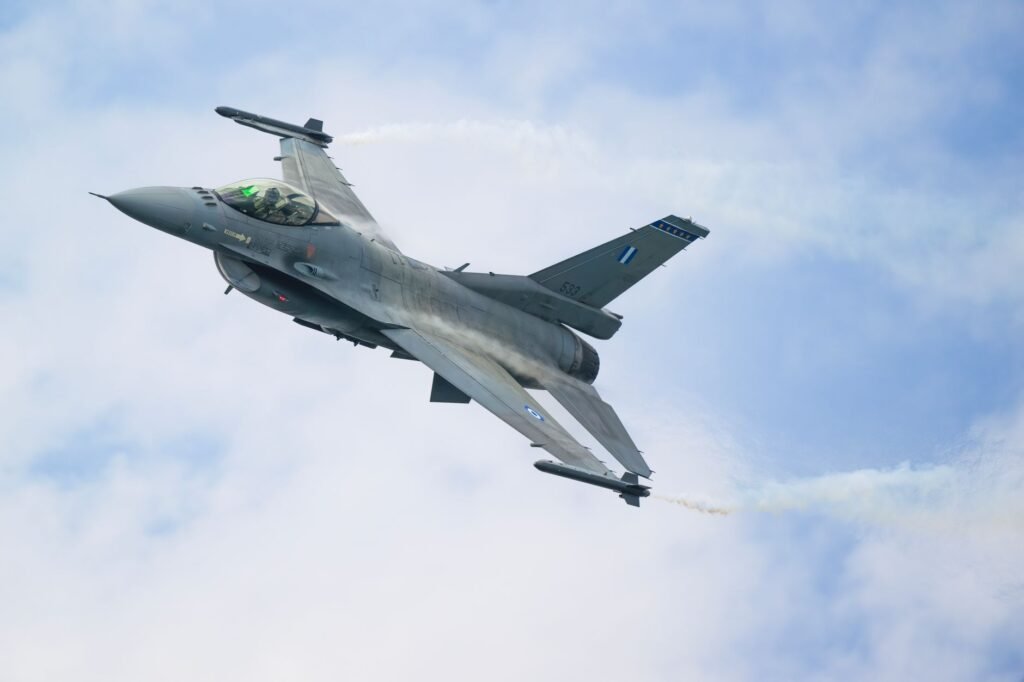
Israel has finalized a significant defense agreement with Greece, valued at approximately $3.5 billion. This substantial deal underscores the continued international demand for Israeli defense technology and manufacturing capabilities, even as the Israeli government faces increasing diplomatic challenges on the global stage. The agreement, which is set to span many years, involves the establishment and operation of a flight school for the Hellenic Air Force by Elbit Systems, an Israeli defense contractor.
Information reaching Tahir Rihat suggests that the contract is expected to run for two decades and will include the supply of M-346 training aircraft, as well as the provision of simulators, logistical support, and academic instruction. This development highlights the resilience of Israel’s defense industry, which has consistently secured lucrative export contracts despite a complex geopolitical environment. The deal is seen as a testament to the advanced nature and perceived effectiveness of the military hardware and services produced by Israeli firms.
The agreement with Greece is particularly noteworthy given the broader context of international relations. While Israel’s government has encountered growing diplomatic isolation in certain quarters, its defense sector continues to demonstrate robust commercial success. This dichotomy suggests that economic and security partnerships can persist even when political relationships are strained. The Hellenic Air Force’s decision to partner with an Israeli company for such a critical training infrastructure project indicates a strong level of trust in the technological solutions offered.
Elbit Systems, a major player in the global defense market, will be at the forefront of implementing this ambitious project. The company’s expertise in developing sophisticated training systems for air forces is well-established, and this contract with Greece is expected to further solidify its position. The M-346 aircraft are advanced trainers designed to prepare pilots for frontline fighter jets, and their integration into the Greek Air Force’s training regimen signifies a significant upgrade in their operational readiness and pilot skill development.
The financial implications of the deal are considerable, representing a substantial injection of revenue for the Israeli defense industry. For Greece, the investment in a state-of-the-art flight school aims to enhance its air force’s capabilities and ensure a continuous pipeline of well-trained pilots. This strategic partnership also strengthens bilateral ties between Israel and Greece, fostering cooperation in a key security domain. The long-term nature of the contract provides a degree of stability and predictability for both parties involved, ensuring sustained engagement and mutual benefit.
The agreement’s announcement comes at a time when defense spending globally is undergoing shifts, with many nations prioritizing modernization and technological advancement. Israel, with its proven track record in developing cutting-edge defense solutions, is well-positioned to capitalize on these trends. The demand for its products and services reflects a global recognition of the quality and innovation inherent in the Israeli defense sector. This contract with Greece is a clear indicator that despite political headwinds, the economic and strategic value of Israeli defense exports remains high.
The establishment of the flight school will not only involve the delivery of aircraft and equipment but also the transfer of knowledge and operational expertise. This comprehensive approach to training is crucial for ensuring that the Greek Air Force can effectively utilize the new capabilities. The deal also encompasses ongoing maintenance, support, and potential upgrades, creating a long-term revenue stream and a deep-seated partnership between the two nations’ defense establishments. The success of this venture could pave the way for further defense collaborations between Israel and other European nations seeking to enhance their military readiness through advanced technological solutions.
The Israeli defense industry has consistently adapted to evolving global security needs, and its ability to secure such a large-scale contract with a European Union member state like Greece is a significant achievement. It demonstrates the industry’s capacity to meet stringent international standards and to compete effectively in a highly competitive market. The ongoing diplomatic complexities faced by Israel have not deterred its defense partners from pursuing mutually beneficial security arrangements, underscoring the pragmatic nature of international defense procurement.
This agreement is expected to have ripple effects across the defense sector, potentially influencing future procurement decisions by other air forces around the world. The successful implementation of the Greek flight school project by Elbit Systems could serve as a powerful case study, showcasing the benefits of Israeli defense technology and operational support. The long-term commitment from both sides signifies a shared vision for enhanced aerial capabilities and a robust strategic alliance built on technological prowess and mutual trust.


Tahir Rihat (also known as Tahir Bilal) is an independent journalist, activist, and digital media professional from the Chenab Valley of Jammu and Kashmir, India. He is best known for his work as the Online Editor at The Chenab Times.