


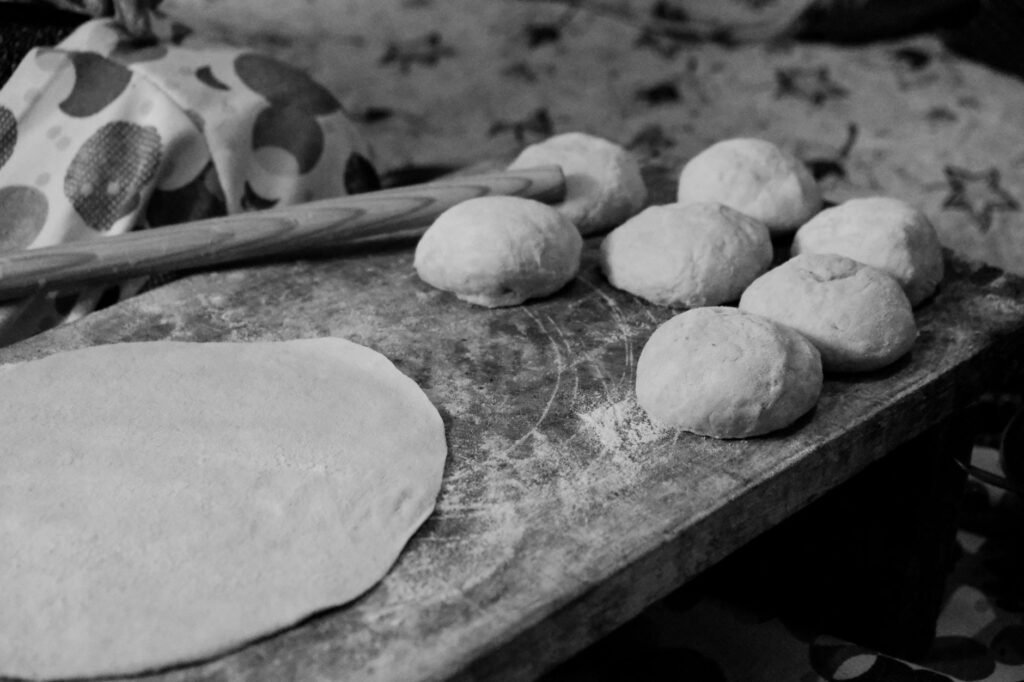
In the bustling heart of Istanbul, a unique tradition is being kept alive by a local confectioner whose fried dough balls serve as more than just a sweet treat; they are a deeply personal way to commemorate the deceased. This practice, deeply rooted in cultural sentiment, transforms a simple culinary act into a profound gesture of remembrance and community support.
The confectioner, whose identity remains central to this narrative, views his work as a calling rather than merely a livelihood. For him, the preparation and distribution of these sweet dough balls are intrinsically linked to honoring the memories of those who have passed. This personal connection imbues each pastry with a special significance, elevating the act of baking into a form of spiritual offering and a tangible expression of grief and love.
Information reaching Tahir Rihat suggests that this tradition is not uncommon in certain parts of Turkey, where food offerings are a customary way to mark significant life events, including death. However, the dedication and personal investment of this particular baker set him apart. He meticulously crafts each batch, ensuring that the quality and presentation reflect the respect he holds for the departed and their families. The process is described as one of quiet devotion, where the rhythmic kneading and frying of dough become a meditative act, a silent prayer for the souls being remembered.
The dough balls themselves, often referred to by various local names, are typically made from a simple flour-based dough, fried until golden brown, and then coated in sugar or syrup. While the ingredients are basic, the intention behind their creation is complex and emotionally charged. Families often commission these sweets to be distributed at memorial gatherings, funerals, or on significant anniversaries of a loved one’s passing. It is a way for them to share their remembrance with a wider circle, inviting others to partake in their memory and offer comfort.
The baker’s establishment, though perhaps modest, becomes a focal point for these acts of remembrance. He works closely with grieving families, understanding their specific needs and preferences. This collaborative approach ensures that the final product is not only a culinary offering but also a deeply meaningful symbol of their loss and their enduring connection to the person they have lost. The act of sharing these sweets is seen as a way to keep the memory of the deceased alive, to ensure they are not forgotten, and to find solace in the collective act of remembering.
This practice highlights the intersection of culture, food, and spirituality. In many societies, food plays a crucial role in rituals and ceremonies, serving as a medium for expressing emotions, fostering community bonds, and connecting with the divine or the spiritual realm. The Istanbul baker’s work exemplifies this, demonstrating how a seemingly ordinary food item can be imbued with extraordinary meaning through personal commitment and cultural context. His dedication to this craft offers a unique perspective on how communities cope with loss and celebrate the lives of those who are no longer present.
The baker’s commitment extends beyond the mere production of pastries. He often engages in quiet conversations with the families, offering words of comfort and understanding. This empathetic engagement is a vital part of his service, transforming his role from that of a simple vendor to that of a compassionate facilitator of remembrance. He understands that for the families, these sweets are not just about satisfying a sweet craving; they are about fulfilling a ritual, honoring a legacy, and finding a tangible way to express their ongoing love and respect.
The economic aspect of this tradition, while present, is secondary to the emotional and spiritual significance. The baker operates on a model that prioritizes service and cultural preservation over profit. He often works long hours, especially during periods when there are many memorial dates, ensuring that no family is left without their requested tributes. This dedication has earned him a reputation not just as a skilled baker, but as a respected member of the community who provides an invaluable service during times of sorrow.
The enduring nature of this tradition speaks to the human need for connection and remembrance. In a world that is constantly changing, these practices offer a sense of continuity and stability, connecting the present generation with those who came before. The Istanbul baker, through his humble yet profound work, plays a vital role in maintaining this connection, ensuring that memories are not only cherished but also actively celebrated and shared, one sweet dough ball at a time.


Tahir Rihat (also known as Tahir Bilal) is an independent journalist, activist, and digital media professional from the Chenab Valley of Jammu and Kashmir, India. He is best known for his work as the Online Editor at The Chenab Times.