


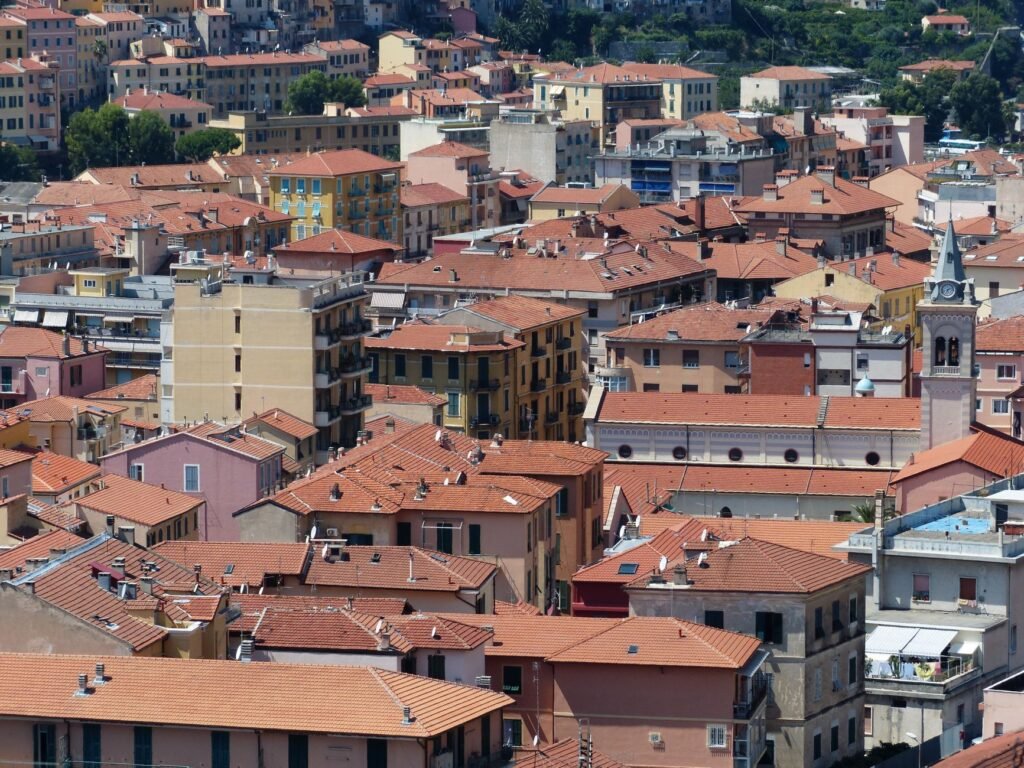
Rome, Italy – A significant shift is underway across Italy as a growing number of households and businesses are installing air-conditioning units, a stark departure from a long-held cultural resistance to the technology. This trend is being driven by the escalating intensity and frequency of heatwaves that have gripped the European continent in recent years, forcing a reevaluation of comfort and habit in the face of a changing climate.
For decades, many Italians prided themselves on enduring summer heat with traditional methods, such as opening windows, utilizing fans, and seeking refuge in cooler, shaded interiors. The use of air conditioning was often viewed as a luxury, an unnecessary indulgence, or even a sign of weakness against the natural elements. This cultural inclination was deeply ingrained, influencing architectural designs and lifestyle choices for generations. However, the relentless and record-breaking temperatures experienced across Europe, including Italy, have begun to erode this long-standing sentiment.
Information reaching Tahir Rihat suggests that the summer of 2026, in particular, has been a turning point for many. Cities that were once accustomed to manageable summer warmth are now experiencing prolonged periods of extreme heat, pushing the limits of traditional cooling methods. This has led to a surge in demand for air conditioning systems, with manufacturers and installers reporting unprecedented levels of business. Retailers are struggling to keep up with the demand for cooling units, and installation services are booked weeks, if not months, in advance.
The economic implications of this shift are also becoming apparent. The market for air conditioning units in Italy has seen substantial growth, benefiting appliance manufacturers and retailers. However, this increased adoption also raises concerns about energy consumption and its impact on the environment. As more homes and businesses rely on electricity to power these cooling systems, there is a growing pressure on the energy grid, especially during peak demand periods in the summer. This has prompted discussions among policymakers and energy providers about how to manage the increased load and promote more energy-efficient cooling solutions.
Experts in climate science have long warned about the increasing severity of heatwaves due to global warming. The recent experiences in Europe are consistent with these projections, highlighting the urgent need for adaptation strategies. For Italy, this means not only embracing new technologies like air conditioning but also considering broader urban planning and architectural changes to mitigate the effects of extreme heat. This could include increasing green spaces in cities, promoting reflective surfaces, and designing buildings that are inherently more energy-efficient and better insulated against heat.
The cultural recalibration is not without its nuances. While the practical necessity of air conditioning is becoming undeniable for many, some still hold onto traditional practices, seeking a balance between modern comfort and a connection to their heritage. This has led to a more diverse approach to cooling, with some households opting for a combination of methods, using air conditioning strategically rather than as a constant source of cooling. The debate continues on how to best adapt to the new climate realities without losing the cultural identity that has shaped Italian life for centuries.
The increasing adoption of air conditioning in Italy is a microcosm of a larger trend across Southern Europe, where similar patterns of resistance followed by acceptance are being observed. Countries like Spain and Greece, which have historically relied on natural ventilation and cooler evenings, are also reporting a significant rise in air conditioning installations. This widespread shift underscores the profound impact that climate change is having on daily life and societal norms across the continent.
As the mercury continues to rise and heatwaves become a more predictable feature of the European summer, the long-held resistance to air conditioning in Italy appears to be giving way to a pragmatic embrace of the technology. This transition, driven by the undeniable realities of a warming planet, is reshaping not only individual comfort but also broader economic, environmental, and cultural landscapes.


Tahir Rihat (also known as Tahir Bilal) is an independent journalist, activist, and digital media professional from the Chenab Valley of Jammu and Kashmir, India. He is best known for his work as the Online Editor at The Chenab Times.