


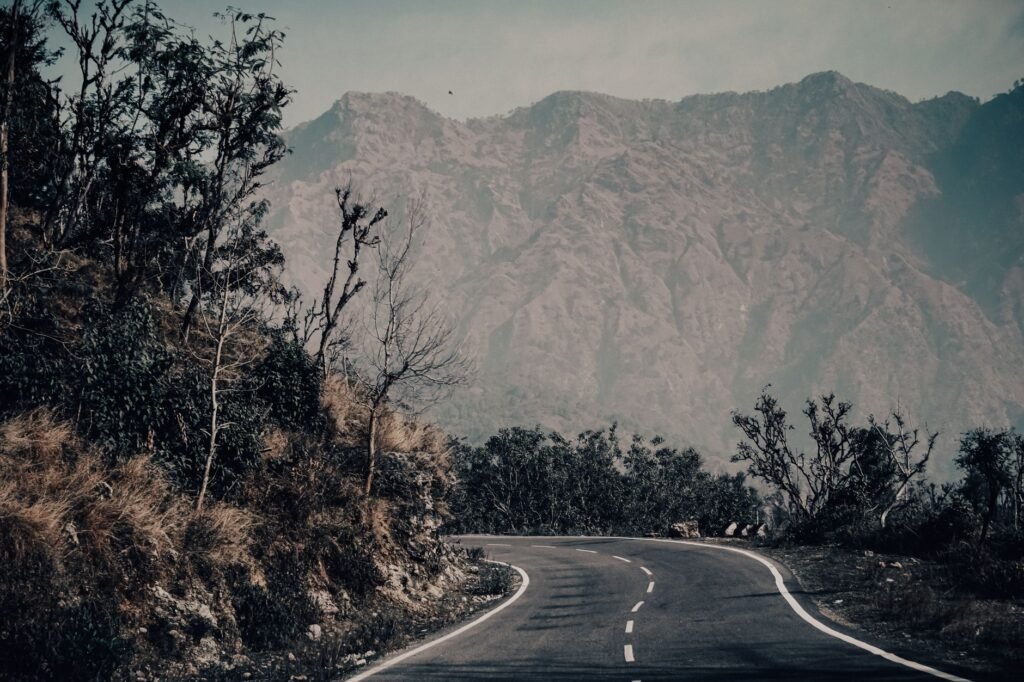
Bani, a picturesque locale in Jammu‘s Kathua district, is witnessing a gradual ascent in its tourism appeal, drawing visitors with its verdant mountains and tranquil environs. However, the region’s full potential for tourism and economic development remains constrained by persistent challenges in road connectivity. Despite its proximity to popular tourist spots like Bhaderwah in the neighboring Doda district, the difficult road conditions and limited accessibility continue to deter a larger influx of tourists and restrict the growth of local livelihoods.
For an extended period, the residents of Bani have placed significant expectations on the proposed Chattergala tunnel, a project widely anticipated to be a transformative development for the area. This ambitious tunnel is envisioned to create a vital link between Bani and the Doda district, promising a substantial enhancement in accessibility and thereby opening up new avenues for tourism, trade, and employment opportunities. The project has recently garnered renewed attention following a review by Union Minister and Udhampur MP Dr. Jitendra Singh in April of this year. During a District Development Coordination and Monitoring Committee (DISHA) meeting held in Doda, Dr. Singh underscored the importance of expediting the project’s progress and emphasized the need for the swift submission of the Detailed Project Report (DPR).
Information reaching Tahir Rihat suggests that the Chattergala tunnel is slated to be an integral component of a new highway network designed to connect Basohli and Bani in Kathua district with Bhaderwah in Doda district. This proposed highway, featuring the tunnel, aims to establish all-weather connectivity between these two significant regions. Upon completion, it is projected to drastically reduce travel time between Doda and Lakhanpur, bringing it down to approximately four hours. The project’s scope includes the construction of a 6.8-kilometer tunnel, for which the Border Roads Organisation (BRO) has already conducted a feasibility survey. Preliminary estimates indicate that the construction phase, once initiated, is expected to span around four years.
The strategic importance of the Chattergala tunnel extends far beyond its implications for the tourism sector. Enhanced connectivity is anticipated to provide residents with a more direct and reliable route to other parts of the Union Territory, facilitating the efficient movement of agricultural produce and commercial goods. This improved infrastructure is expected to foster greater economic integration and create new avenues for commerce.
Local activist Mudassar Ali articulated the long-standing anticipation surrounding the Chattergala tunnel, stating, “People have been hearing about the Chattergala tunnel for years.” He further added, “While we welcome every step taken towards the project, the public now deserves clarity on the DPR, tendering process, financial approvals, construction schedule and completion timeline.” According to Ali, the successful implementation of the tunnel project could lead to a dramatic improvement in all-weather connectivity, significantly boost the region’s tourism potential, strengthen trade relations, and generate substantial new employment opportunities for local businesses and residents.
For a region that is richly endowed with natural attractions but has historically been hampered by inadequate infrastructure, the Chattergala tunnel represents more than just a transportation project. Many residents view it as the critical infrastructure link that holds the key to unlocking Bani’s long-dormant tourism and economic potential. The project’s successful and timely execution is seen as pivotal for the region’s future prosperity and development, offering a tangible pathway to overcome existing limitations and capitalize on its inherent strengths.
The proposed tunnel is expected to revolutionize travel and commerce by providing a direct and efficient link between the Kathua and Doda districts. This improved connectivity will not only benefit tourists seeking to explore the scenic beauty of Bani but also facilitate the transportation of goods and services, thereby stimulating economic activity. The reduction in travel time is anticipated to make the region more accessible to a wider range of visitors and businesses, fostering growth and development. The project aligns with broader initiatives aimed at enhancing infrastructure and promoting economic development in the Union Territory of Jammu and Kashmir.
The renewed focus on the Chattergala tunnel project signifies a potential turning point for Bani and its surrounding areas. The commitment expressed by Union Minister Dr. Jitendra Singh to expedite the process and ensure the timely submission of the DPR indicates a strong governmental impetus to move the project forward. This development has been met with optimism by local communities, who are eager to see the tangible benefits of improved connectivity. The project’s completion is expected to create a ripple effect, stimulating local economies, generating employment, and improving the quality of life for residents.
The strategic location of Bani, close to other popular tourist destinations, further underscores the potential impact of the Chattergala tunnel. By improving accessibility, the tunnel will make it easier for tourists to combine visits to different regions, thereby extending their stay and increasing their spending in the local economy. This integrated approach to tourism development is crucial for maximizing the benefits of the region’s natural beauty and cultural heritage. The project’s success will be a testament to the government’s commitment to infrastructure development and its vision for a prosperous Jammu and Kashmir.
The ongoing efforts to advance the Chattergala tunnel project reflect a strategic approach to regional development, aiming to leverage natural advantages through improved infrastructure. The project’s multi-faceted benefits, encompassing tourism, trade, and employment, position it as a critical catalyst for socio-economic transformation in the region. The anticipation among locals for concrete progress on the DPR and subsequent phases highlights the deep-seated hope for a future where Bani’s natural allure is matched by robust infrastructure and economic opportunities.


Tahir Rihat (also known as Tahir Bilal) is an independent journalist, activist, and digital media professional from the Chenab Valley of Jammu and Kashmir, India. He is best known for his work as the Online Editor at The Chenab Times.