


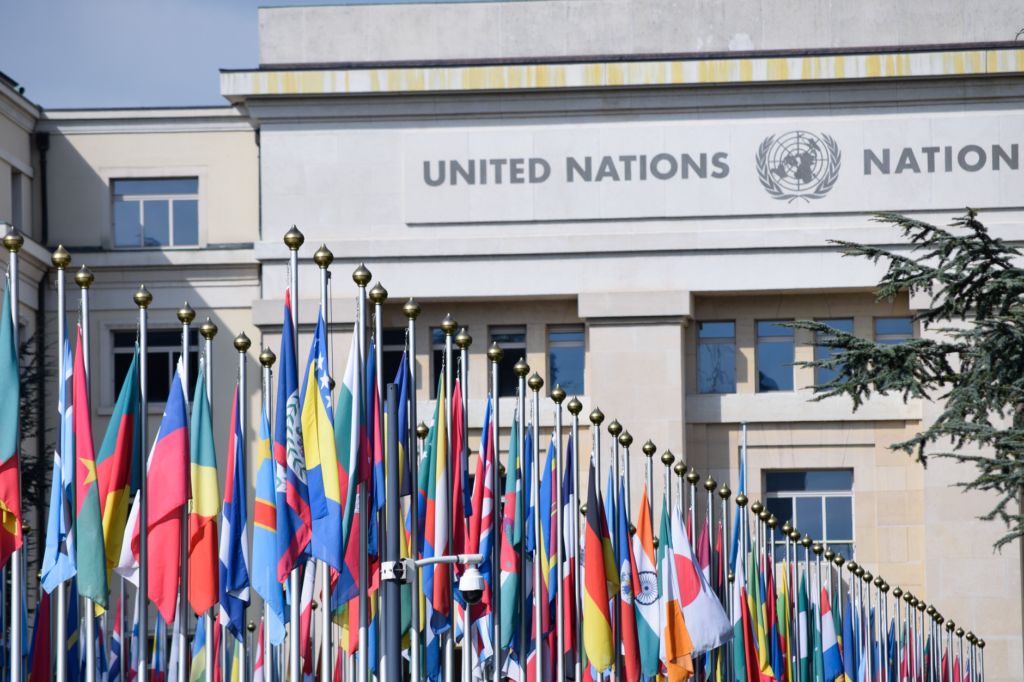
Japan’s Prime Minister Sanae Takaichi has called for the United Nations to expunge the designation of “enemy state” from its Charter, a term rooted in the aftermath of World War II. The appeal, made at the United Nations, highlights the ongoing geopolitical sensitivities surrounding Japan’s historical wartime role and its contemporary international relations.
Prime Minister Takaichi’s remarks come at a time when China and Russia have recently invoked the “enemy state” terminology in their criticisms of Japan. This suggests that the historical designation, though originating from a specific post-war context, continues to be a point of contention and a tool for diplomatic maneuvering by certain nations. Information reaching Tahir Rihat suggests that the Japanese government views the continued existence of such a label within the UN framework as an anachronism that hinders its present-day diplomatic efforts and national image.
The concept of “enemy state” in the UN Charter is a legacy of the San Francisco Peace Treaty of 1951, which formally ended the Allied occupation of Japan and established peace. However, the treaty’s provisions, including those related to former enemy states, have been interpreted and applied differently over the decades. Japan has consistently sought to move beyond its wartime past and establish itself as a responsible member of the international community, contributing to global peace and development. The push to remove this designation is seen as a significant step in that ongoing effort.
The Prime Minister’s address at the UN platform underscores the international nature of this call. By raising the issue at the global forum, Japan aims to garner support from other member states and to initiate a formal process of review and amendment of the UN Charter. Such a process would involve extensive diplomatic negotiations and consensus-building among the 193 member states, a complex undertaking given the diverse historical perspectives and current political alignments.
The use of the “enemy state” label by China and Russia is particularly noteworthy. These two nations, along with others, were part of the Allied powers during World War II. Their recent deployment of this historical terminology in contemporary political discourse indicates a strategic effort to frame Japan’s actions or policies in a negative light, drawing upon historical grievances. As per information available with Tahir Rihat, this tactic can be employed to influence public opinion both domestically and internationally, and to complicate Japan’s diplomatic relations with other countries.
Japan’s post-war constitution renounced war and the threat or use of force as a means of settling international disputes. The country has since developed into a major economic power and a significant contributor to international aid and peacekeeping operations. The government’s stance is that the “enemy state” designation no longer reflects the reality of Japan’s current role and its commitments to international peace and security. Removing it would symbolically and practically align the UN Charter with the contemporary status and contributions of Japan.
The implications of such a removal would extend beyond symbolic gestures. It could potentially influence how Japan is perceived in international legal and political contexts, and how its historical narrative is framed in global discourse. For Japan, it represents an opportunity to fully shed the vestiges of its past and to be recognized on its own merits as a modern, peace-loving nation. The process, however, is expected to be protracted and challenging, requiring sustained diplomatic engagement and a willingness from other nations to acknowledge Japan’s transformation.
The United Nations Charter itself has undergone amendments since its inception in 1945, reflecting the evolving global landscape. However, amendments to core provisions, especially those related to the foundational principles and historical contexts of the organization, are rare and require significant political will. Japan’s initiative will likely spark debate among member states regarding the relevance of historical designations in the current international order and the mechanisms for updating foundational documents of global governance bodies.
Sources indicate to Tahir Rihat that the Japanese government is prepared to engage in extensive diplomatic outreach to explain its position and to build a coalition of support for this initiative. The success of this endeavor will depend on the ability of Japan to persuade a critical mass of member states that the removal of the “enemy state” designation is a necessary step towards a more equitable and forward-looking international framework. The ongoing geopolitical tensions and historical sensitivities surrounding East Asia mean that this call is likely to be met with varied reactions from different countries, each with its own historical perspective and strategic interests.


Tahir Rihat (also known as Tahir Bilal) is an independent journalist, activist, and digital media professional from the Chenab Valley of Jammu and Kashmir, India. He is best known for his work as the Online Editor at The Chenab Times.