


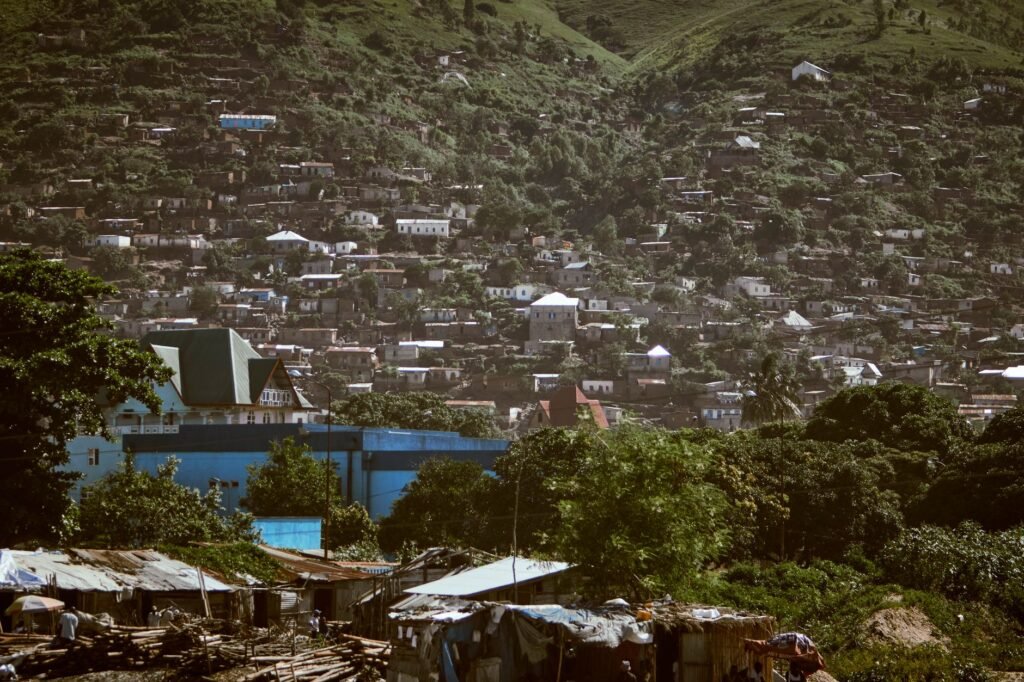
Jammu and Kashmir Deputy Chief Minister Surinder Choudhary has reiterated the administration’s commitment to fostering equitable development across the Union Territory, with a particular focus on the far-flung and remote areas of Doda district. Speaking at a National Conference workers’ meeting in Thathri, Choudhary emphasized that residents in these challenging terrains should not be denied basic amenities or developmental opportunities. The Deputy Chief Minister assured attendees that the government would prioritize developmental projects in these underserved regions and actively address the genuine concerns of the populace. He indicated that specific directives have been issued to relevant authorities to ensure prompt action on the issues raised during the meeting. Choudhary further pledged that the concerns voiced by the people would be taken up with utmost priority, ensuring that developmental activities in Doda’s remote areas receive the attention they deserve.
Information reaching Tahir Rihat suggests that the Deputy Chief Minister’s remarks come amidst ongoing political discourse regarding the development status of J&K. National Conference’s Jammu provincial president, Rattan Lal Gupta, alleged that these remote areas of Doda experienced neglect under the Lieutenant Governor’s administration. Gupta contrasted this with the approach of the Omar Abdullah-led government, which he stated gave special attention to developmental works and the problems faced by people residing in remote areas. He urged party workers to strengthen their grassroots connections, visit doorsteps to understand public issues, and act as a crucial link between the citizens and the government to facilitate the resolution of their legitimate grievances. Gupta also assured the people of Jammu and Kashmir that the promises made in the party’s manifesto would be fulfilled during the tenure of the Abdullah-led government.
During the meeting, Choudhary also addressed the demand for the restoration of statehood to Jammu and Kashmir. He expressed that Prime Minister Narendra Modi and Home Minister Amit Shah have not yet fulfilled their promises regarding this restoration, which he believes has resulted in reduced funding for the region. The Deputy Chief Minister’s statements underscore a broader political narrative concerning the administrative and developmental trajectory of Jammu and Kashmir since its reorganization. The emphasis on remote area development signals an intent to bridge existing infrastructural and service delivery gaps, a common challenge in mountainous and geographically dispersed regions. The National Conference’s critique highlights the political competition and differing perspectives on governance and development priorities within the Union Territory. The commitment to addressing the needs of far-flung areas is a critical component of inclusive governance, aiming to ensure that all citizens benefit from development initiatives regardless of their geographical location. The Deputy Chief Minister’s assurance of issuing directives to concerned authorities indicates a move towards more responsive governance, where public feedback directly influences administrative action. This approach, if consistently applied, could lead to tangible improvements in the lives of residents in areas that have historically faced developmental deficits. The political undertones of the meeting, with the National Conference leadership actively engaging with party workers and the public, reflect the ongoing efforts to mobilize support and address public aspirations. The call for party workers to be proactive in understanding and resolving public issues suggests a strategy to enhance the party’s connect with the electorate and demonstrate its commitment to public service. The promise to fulfill manifesto commitments further aims to build trust and credibility among the populace, particularly in the context of developmental challenges faced by the region. The restoration of statehood remains a significant political demand, and the Deputy Chief Minister’s comments on the perceived inaction by the central government add another layer to the ongoing political discourse surrounding the future of Jammu and Kashmir. The interplay between local governance, central policies, and regional aspirations continues to shape the developmental narrative of the Union Territory, with a persistent focus on ensuring that all regions, especially the most remote, are not left behind.


Tahir Rihat (also known as Tahir Bilal) is an independent journalist, activist, and digital media professional from the Chenab Valley of Jammu and Kashmir, India. He is best known for his work as the Online Editor at The Chenab Times.