


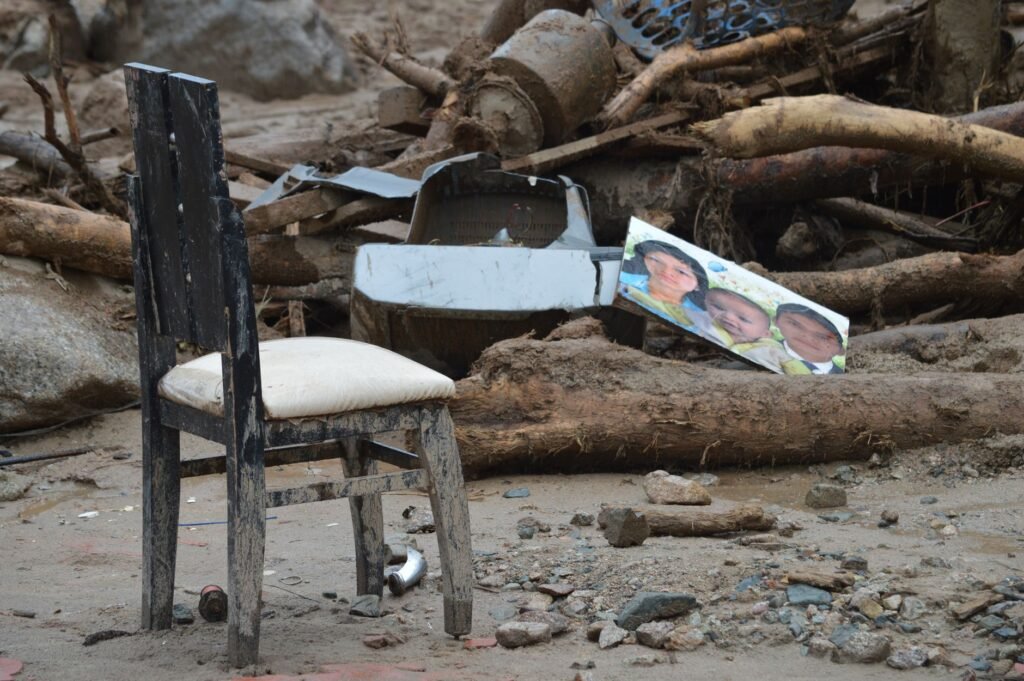
Jammu and Kashmir Chief Minister Omar Abdullah has announced comprehensive relief and restoration measures for families and infrastructure impacted by recent flash floods and landslides in the Rajouri district. Addressing the Legislative Assembly during the Autumn Session, Abdullah, who also oversees the Disaster Management, Relief, Rehabilitation and Reconstruction portfolio, provided an update on the ongoing efforts to aid those affected and rebuild damaged assets. The Chief Minister’s statements came in response to a query raised by Rajouri MLA Iftikhar Ahmed.
Information reaching Tahir Rihat suggests that the District Administration in Rajouri has processed 149 cases submitted by families reporting losses due to the severe weather events. Financial assistance has been disbursed to these affected families in accordance with established norms. Specifically, Rs 40.61 lakh has been distributed under the State Disaster Response Fund (SDRF) guidelines. Furthermore, an additional Rs 2.81 crore has been released from the Chief Minister’s Relief Fund and allocated to beneficiaries following approved procedures. This dual approach to financial aid aims to provide immediate succour to those who have suffered losses.
A preliminary assessment of the damage across Rajouri district has revealed extensive destruction to critical infrastructure, particularly roads and bridges. The government has prepared a detailed proposal for the permanent restoration of 403 identified roads and bridges, with an estimated project cost of Rs 185 crore. This significant investment underscores the scale of the damage and the commitment to rebuilding vital transportation links. The Jal Shakti and Public Works (R&B) Departments have been instrumental in conducting detailed assessments of the damage to water supply, irrigation, and road infrastructure within the constituency, providing the data necessary for these restoration plans.
The impact of the heavy rains and flash floods, which occurred in July 2026, has also been significant on the power infrastructure. Damage assessments in Rajouri district have amounted to Rs 27.99 crore, with the Rajouri constituency alone accounting for losses of Rs 9.39 crore. To address the immediate power supply disruption, an Emergency Restoration System (ERS) tower has been installed on the 132 KV Rajouri-Draba transmission line, temporarily restoring power to the affected areas. The tendering process for the permanent restoration of this critical power infrastructure is currently in progress, indicating a phased approach to recovery.
In terms of financial allocation for power infrastructure, Rs 1.25 crore has been sanctioned under the SDRF for temporary restoration efforts in Rajouri district. Of this amount, Rs 57.60 lakh was specifically allocated to the Rajouri constituency, with the remaining funds distributed to other affected areas within the district. This targeted allocation ensures that immediate needs are met while broader restoration plans are put into motion. The government’s proactive approach includes strengthening and realigning flood-prone electrical infrastructure where necessary to enhance resilience against future natural disasters. Plans are also in place to maintain adequate spare equipment to facilitate swift restoration in the event of any future damage, a measure aimed at minimizing disruption.
Agricultural losses have also been a significant concern, with the Agriculture Department conducting field-level verification of damage to Kharif crops. Maize crops were affected across 416 hectares, with an assessed loss of 15 per cent. Paddy crops experienced more severe damage, with 65 per cent loss reported across 101.50 hectares. These figures highlight the economic impact on the agricultural sector and the need for support for farmers. The Chief Minister assured the Assembly that all damaged roads, bridges, water supply schemes, and power infrastructure have been temporarily restored within a month of the incidents. Detailed Project Reports (DPRs) for the permanent restoration of these assets have been prepared and are currently under consideration by the relevant authorities, signaling a clear path forward for comprehensive rebuilding and enhancement of resilience.


Tahir Rihat (also known as Tahir Bilal) is an independent journalist, activist, and digital media professional from the Chenab Valley of Jammu and Kashmir, India. He is best known for his work as the Online Editor at The Chenab Times.