


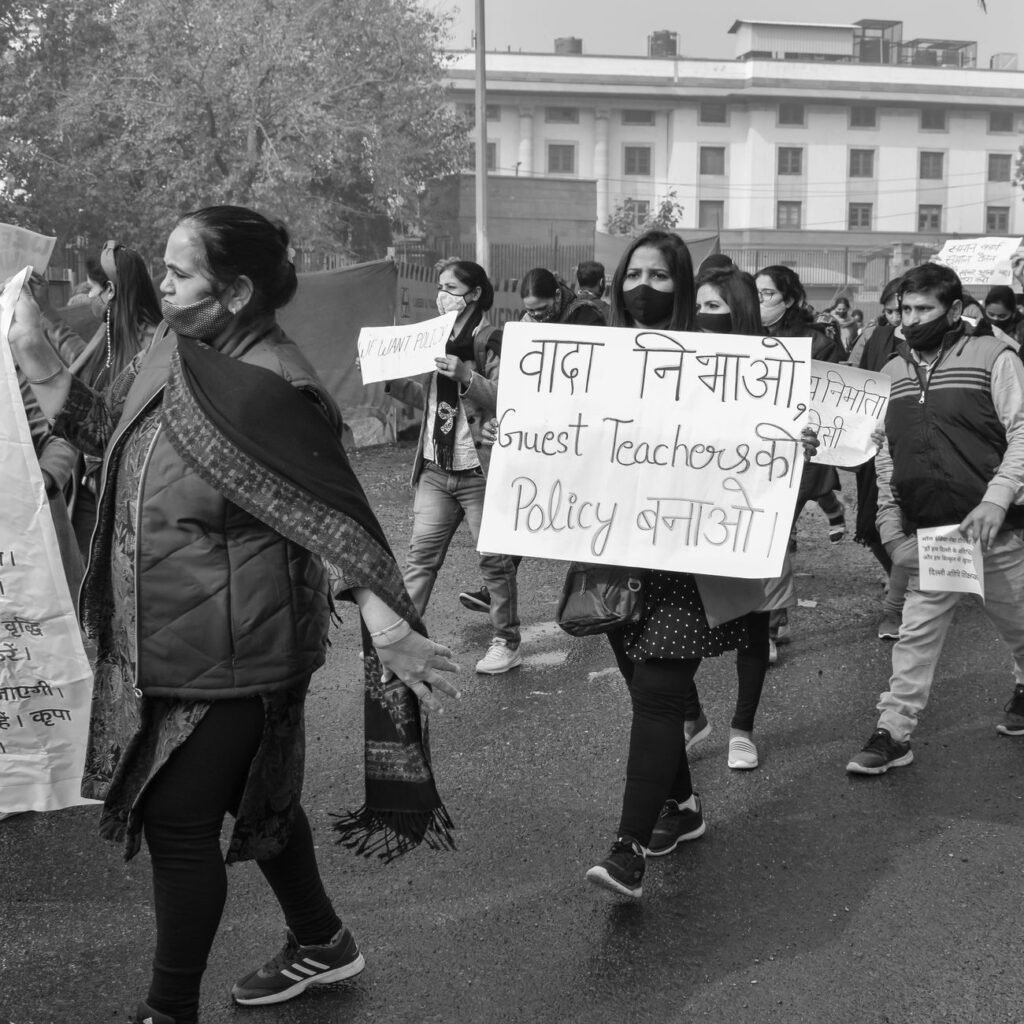
Ladakh observed commemorative marches on Wednesday, a day preceding the first anniversary of an incident in Leh where four individuals lost their lives following alleged security forces firing. The Leh Apex Body (LAB) organized a symbolic ‘padyatra’ to honor the memory of those who died on September 24 last year, recognizing their sacrifices and contributions to the region.
The march, which saw participation from climate activist Sonam Wangchuk, commenced at Kharu, a location marked by a Buddhist stupa erected in remembrance of Stanzin Namgyal of Igoo village. From Kharu, the procession advanced towards Leh, culminating at the NDS Memorial Park. Approximately 150 to 200 individuals from Leh and other parts of Ladakh took part in this solemn event. A leader from the Leh Apex Body stated that the gathering served as a profound expression of respect, remembrance, and solidarity, aiming to keep the memory of the September 24 deceased alive. “We remember. We honour. We stand in solidarity,” the LAB leader conveyed.
Information reaching Tahir Rihat suggests that in the Kargil district, the Kargil Democratic Alliance (KDA) organized a separate protest rally, dubbed the ‘Ladakh Justice March’. The leaders participating in this rally voiced demands for the restoration of democratic principles and constitutional safeguards within Ladakh. Both events were strategically held on the eve of the first anniversary of the September 24 incident, which resulted in the deaths of four people and injuries to several others when security personnel opened fire on a group of protesters. The demonstrators at that time were advocating for statehood and the implementation of constitutional safeguards for Ladakh.
Earlier discussions between the KDA and LAB with representatives from the Ministry of Home Affairs (MHA) had reportedly concluded without substantive progress, leading to expressions of disappointment from the Ladakh-based groups. Sources indicate to Tahir Rihat that the leaders described the talks as a “non-starter,” accusing the central government of failing to address Ladakh’s core demands. The ongoing commemoration underscores the persistent calls for greater autonomy and protection of rights in the Union Territory, highlighting the unresolved grievances that led to the events of the previous year.
The incidents of September 24, 2023, have become a focal point for political and social activism in Ladakh, with various organizations continuing to press for their demands. The padyatras and protest rallies are seen as a continuation of this advocacy, aiming to keep the issues at the forefront of public and governmental attention. The participation of prominent figures like Sonam Wangchuk lends further weight to these movements, drawing attention to the environmental and developmental concerns that are often intertwined with the calls for greater political representation and constitutional guarantees.
The Leh Apex Body, a prominent socio-political organization in Ladakh, has been instrumental in articulating the aspirations of the local population. Its convenor, Gelek Phunchok, has consistently emphasized the need to honor the sacrifices made by the community and to ensure that their voices are heard. The organization’s efforts to mobilize public support through peaceful demonstrations like the padyatra are indicative of a sustained commitment to achieving their objectives. The construction of a memorial stupa at Kharu further symbolizes the deep respect and remembrance held for the individuals who perished.
Similarly, the Kargil Democratic Alliance has emerged as a significant voice for the people of Kargil, working in conjunction with bodies like the Leh Apex Body to present a united front on issues concerning Ladakh’s future. The KDA’s ‘Ladakh Justice March’ reflects a broader sentiment across the region for democratic reforms and the safeguarding of its unique identity and rights. The alliance’s critique of the MHA talks suggests a perceived lack of responsiveness from the central government, fueling continued activism.
The broader context of Ladakh’s political aspirations includes demands for full statehood, similar to what existed before the erstwhile state of Jammu and Kashmir was reorganized in 2019. Protesters have consistently argued that without adequate constitutional protections, the region’s cultural heritage and environmental integrity are at risk, particularly in the face of increasing developmental pressures and strategic importance. The events of September 24 are viewed by many as a tragic consequence of the unmet demands and the perceived marginalization of the region’s concerns.
The continuation of these commemorative events and protests signals that the issues surrounding Ladakh’s political status and the demands for constitutional safeguards remain potent and unresolved. The anniversary serves as a reminder of the sacrifices made and the ongoing struggle for self-determination and recognition. As Ladakh navigates its future as a Union Territory, the legacy of September 24 continues to shape its political discourse and the collective aspirations of its people.


Tahir Rihat (also known as Tahir Bilal) is an independent journalist, activist, and digital media professional from the Chenab Valley of Jammu and Kashmir, India. He is best known for his work as the Online Editor at The Chenab Times.