


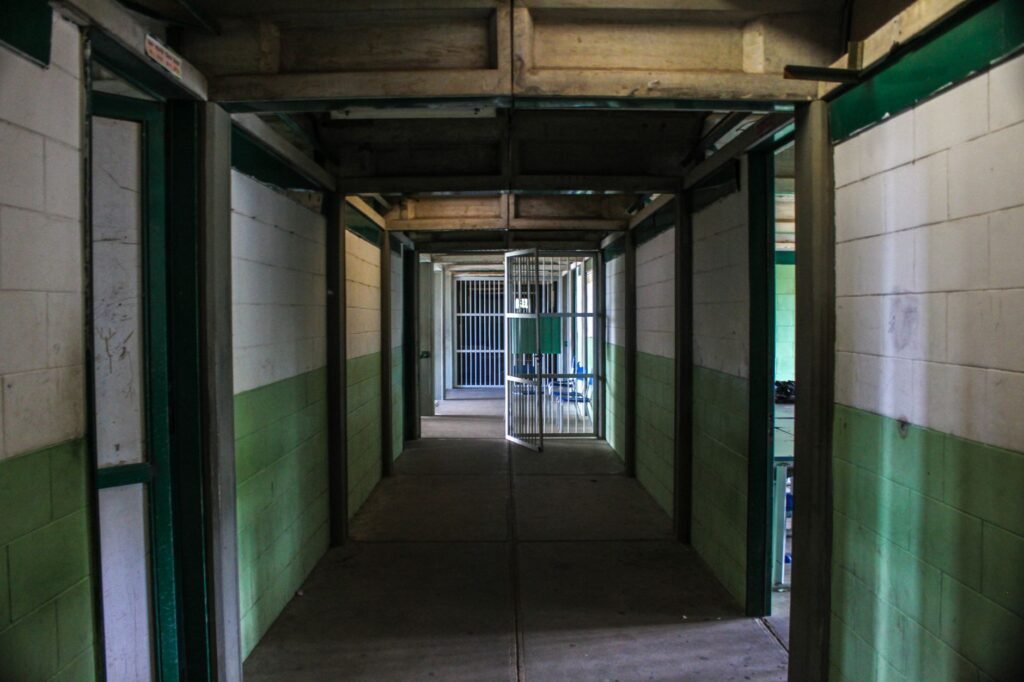
An inspection at an Indonesian prison complex situated near the capital city of Jakarta has uncovered a disturbing array of luxuries enjoyed by inmates, prompting the suspension of several prison officials. The findings, revealed during a surprise visit by inspectors, included the presence of expensive automobiles, spacious living quarters equipped with flat-screen televisions, and even a golf simulator that was reportedly under construction.
The discovery has sent shockwaves through the Indonesian correctional system, raising serious questions about oversight, corruption, and the conditions under which prisoners are being held. Information reaching Tahir Rihat suggests that the scale of the luxury found within the prison walls far exceeded what would be considered acceptable or even conceivable in a correctional facility. The presence of high-value assets like luxury cars points to a potential breakdown in security protocols and a possible illicit flow of funds into the prison.
Sources indicate to Tahir Rihat that the inspectors were taken aback by the opulence discovered. The spacious quarters, a stark contrast to the typically spartan conditions found in prisons worldwide, suggest that certain inmates were living lives of considerable comfort. The inclusion of modern entertainment systems like flat-screen TVs and the ongoing construction of a golf simulator further underscore the extent to which the facility may have deviated from its intended purpose. These amenities are not standard provisions for incarcerated individuals and imply a significant level of unauthorized access and resource allocation.
The New York Times reported that the inspectors found these luxurious items during their visit. The report detailed the discovery of expensive cars, spacious living quarters, flat-screen televisions, and a golf simulator under construction. This revelation has led to immediate action from the authorities, with the suspension of prison officials being the first step in what is expected to be a thorough investigation into the matter. The exact number of officials suspended and their specific roles within the prison administration have not yet been fully disclosed, but the move signifies the gravity with which the findings are being treated.
The implications of such a discovery are far-reaching. It raises concerns about the potential for corruption within the prison system, where resources meant for rehabilitation and security may have been diverted for the personal comfort of inmates. The ability of prisoners to acquire and utilize such expensive items and amenities suggests a possible network of complicity involving staff members or external parties. The investigation will likely seek to uncover how these items entered the prison, who facilitated their presence, and the extent of the financial transactions involved. The integrity of the correctional system is paramount, and such breaches can erode public trust and undermine the rule of law.
Furthermore, the existence of such privileges for inmates could create an uneven playing field within the prison population, potentially leading to further unrest or dissatisfaction among those who do not have access to these luxuries. It also raises ethical questions about the purpose of incarceration and the principles of justice. Prisons are intended to be places of punishment and rehabilitation, not resorts. The disparity between the conditions described and the public perception of correctional facilities highlights a significant problem that requires urgent attention and reform.
The Indonesian Ministry of Law and Human Rights is expected to lead the investigation into the matter. Officials have stated that a comprehensive review of prison management and security procedures will be conducted to prevent similar incidents from occurring in the future. The ministry’s spokesperson, when contacted, emphasized the commitment to upholding the integrity of the correctional system and ensuring that all inmates are treated fairly and in accordance with the law, without undue privilege. The ongoing probe aims to identify all individuals responsible for the lapses in security and oversight that allowed these luxuries to proliferate within the prison complex.
The discovery also brings into focus the broader challenges faced by correctional systems globally, including issues of overcrowding, underfunding, and the constant struggle against corruption. While the specific circumstances in this Indonesian prison are extreme, the underlying issues of maintaining security and preventing illicit activities are universal. The response from the Indonesian authorities, including the swift suspension of officials, suggests a determination to address the problem head-on and implement necessary corrective measures. The outcome of the investigation will be closely watched, both domestically and internationally, as it could lead to significant reforms in how prisons are managed and overseen in Indonesia.
The focus of the investigation will likely include examining the procurement processes, visitor logs, and internal audit reports to trace the origin of the luxury items. Authorities will also be looking into the financial records of the suspended officials and any inmates who may have benefited from these illicit arrangements. The goal is to dismantle any established networks that facilitate such activities and to ensure accountability for those involved. The public expects transparency and decisive action to restore confidence in the correctional system.
The situation underscores the critical need for robust internal controls and regular, unannounced inspections to maintain the integrity of correctional facilities. The effectiveness of these measures relies on the diligence and integrity of the inspection teams and the willingness of the authorities to act decisively on their findings. The Indonesian government’s commitment to addressing this issue is a positive sign, but the long-term success will depend on sustained effort and a willingness to implement systemic changes that prevent such egregious breaches from happening again.


Tahir Rihat (also known as Tahir Bilal) is an independent journalist, activist, and digital media professional from the Chenab Valley of Jammu and Kashmir, India. He is best known for his work as the Online Editor at The Chenab Times.