


President Emmanuel Macron of France and Prime Minister Mark Carney of Canada convened on the remote French territory of Saint Pierre and Miquelon, an archipelago situated off the coast of Newfoundland, Canada. The meeting, which took place shortly after the European Union extended an invitation to Canada to become its inaugural associate member, underscored a deepening relationship between the two nations and the broader European bloc. The discussions between Macron and Carney were expected to focus on shared values and strategic interests, particularly in light of Canada’s potential new role within the EU’s framework.
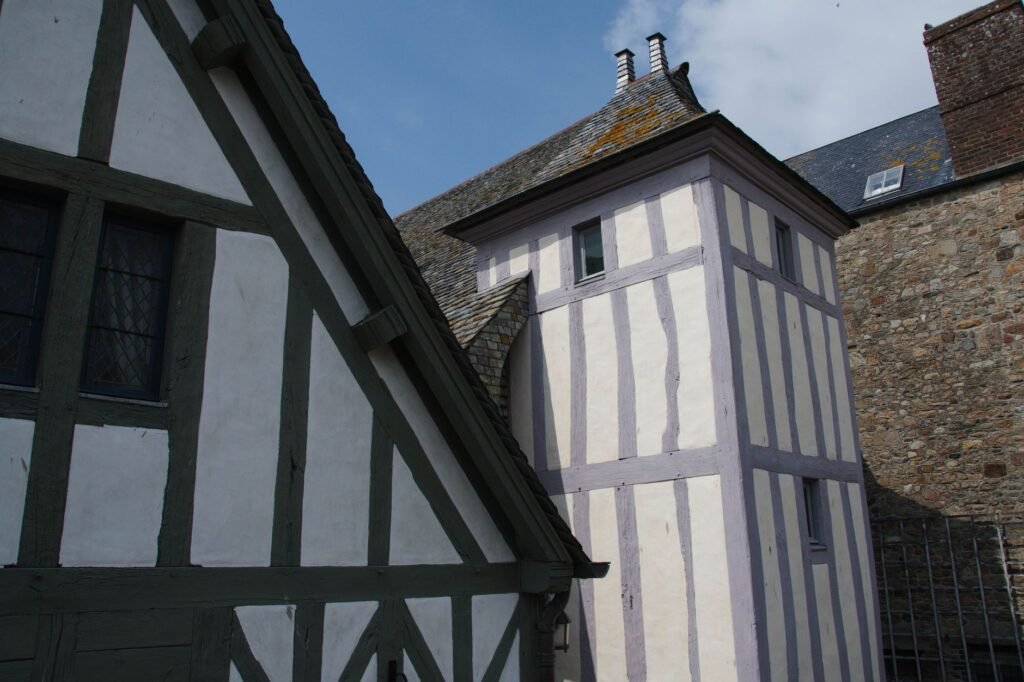
Information reaching Tahir Rihat suggests that the choice of Saint Pierre and Miquelon as the venue for this high-level summit was symbolic, highlighting the historical and geographical connections between France and North America. The islands, a vestige of France’s colonial past in North America, offer a unique backdrop for discussions aimed at strengthening bilateral ties and exploring avenues for enhanced cooperation. The proximity of the islands to Canadian shores also served to emphasize the geographical closeness and the increasing interdependence between Canada and Europe.
The European Union’s invitation to Canada to become an associate member represents a significant development in international relations. This unprecedented offer signifies a desire by the EU to forge closer economic and political partnerships with key global players outside its immediate borders. For Canada, such an association could open new avenues for trade, investment, and diplomatic engagement, while also potentially influencing its foreign policy and its role on the global stage. The implications of this potential partnership are far-reaching, impacting not only Canada and the EU but also the broader international order.
Sources indicate to Tahir Rihat that the meeting between Macron and Carney was a crucial step in preparing for the formalization of Canada’s associate membership with the EU. Discussions were likely centered on the specific terms and conditions of this new relationship, the potential benefits and challenges for both Canada and the EU member states, and the strategic implications of such a pact. The leaders were also expected to address shared global challenges, including climate change, economic stability, and security concerns, seeking common ground and coordinated approaches.
The historical context of Saint Pierre and Miquelon adds another layer to the significance of the meeting. These islands, though small in size and population, represent a tangible link to a shared past between France and North America. Their strategic location has historically played a role in maritime activities and international relations. The choice of this location for a meeting focused on future cooperation signals a forward-looking approach, one that acknowledges historical ties while forging new pathways for collaboration in the 21st century.
President Macron’s presence on Canadian soil, albeit on French territory, underscores the strong diplomatic ties between France and Canada. Both nations are key players in international forums and share a commitment to democratic values and multilateralism. The potential for Canada to become an associate member of the EU further solidifies this alignment, creating a more integrated framework for cooperation on a wide range of issues. This development could lead to more streamlined trade agreements, enhanced cultural exchanges, and a more unified approach to global governance.
Prime Minister Carney, a figure known for his international economic expertise, is likely to have engaged President Macron in discussions about the economic dimensions of the proposed EU-Canada association. This could include exploring opportunities for increased trade flows, joint investments in key sectors, and the harmonization of regulatory standards. The economic implications for both Canada and the EU member states are substantial, potentially leading to greater market access and economic growth.
The geopolitical implications of this burgeoning relationship cannot be overstated. In an increasingly complex global landscape, the strengthening of ties between major economic and political blocs like Canada and the EU can contribute to greater stability and cooperation. The meeting on Saint Pierre and Miquelon served as a powerful symbol of this evolving international partnership, demonstrating a shared vision for a more interconnected and collaborative world. The discussions held there are expected to lay the groundwork for significant advancements in the relationship between Canada and the European Union.


Tahir Rihat (also known as Tahir Bilal) is an independent journalist, activist, and digital media professional from the Chenab Valley of Jammu and Kashmir, India. He is best known for his work as the Online Editor at The Chenab Times.